

Witness and Repair: NOMMO’s Reflections on Greenwood and the Passing of Viola Fletcher
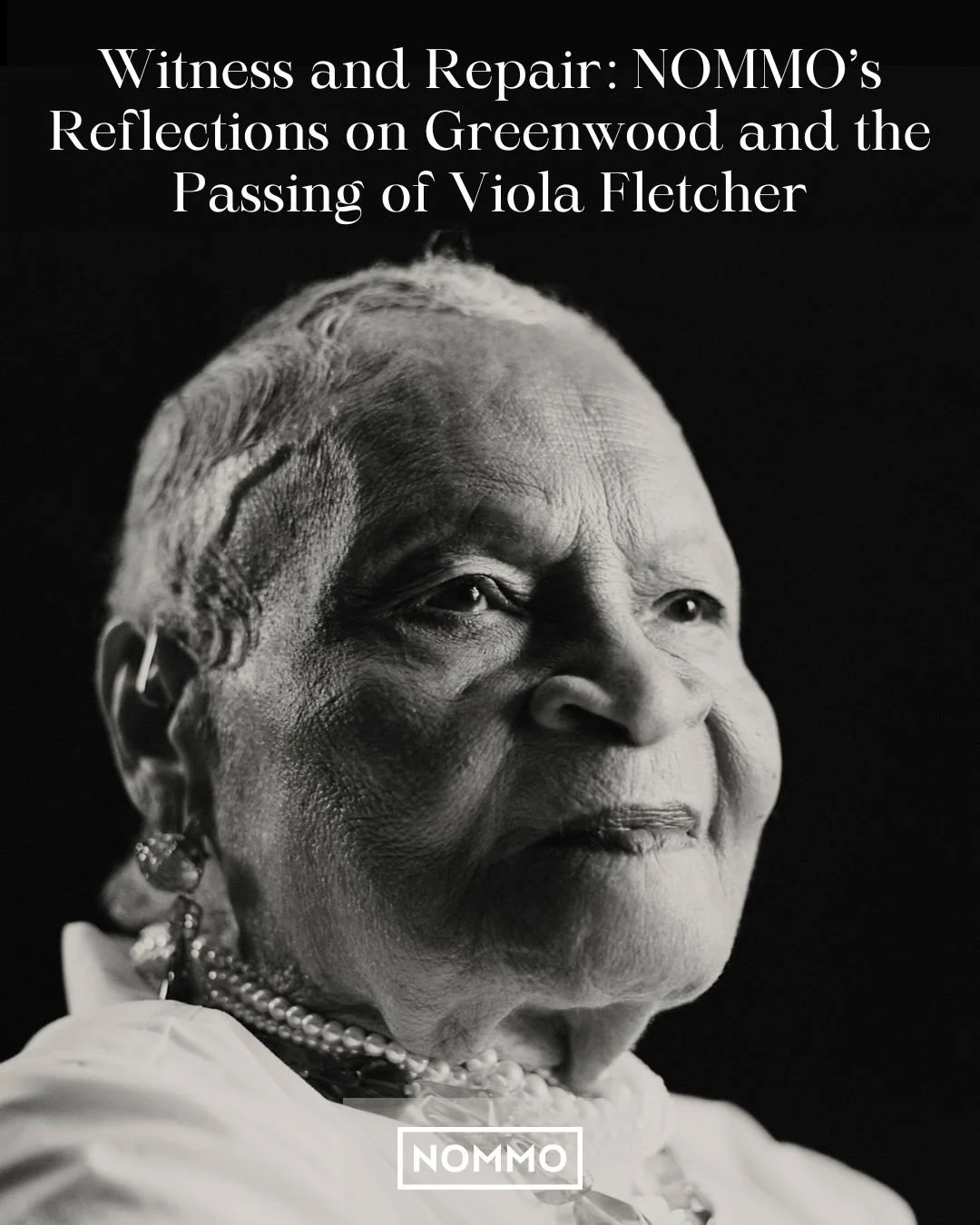
Photo: Gioncarlo Valentine for The Washington Post.
The passing of Viola Fletcher — the eldest known survivor of the 1921 Tulsa Race Massacre — marks a profound moment in our collective memory. Ms. Fletcher carried nearly a century of witness, offering the world an unyielding account of both the devastation she lived through and the justice denied to generations of survivors and descendants. Her transition reminds us that the work of truth-telling and repair remains urgent.
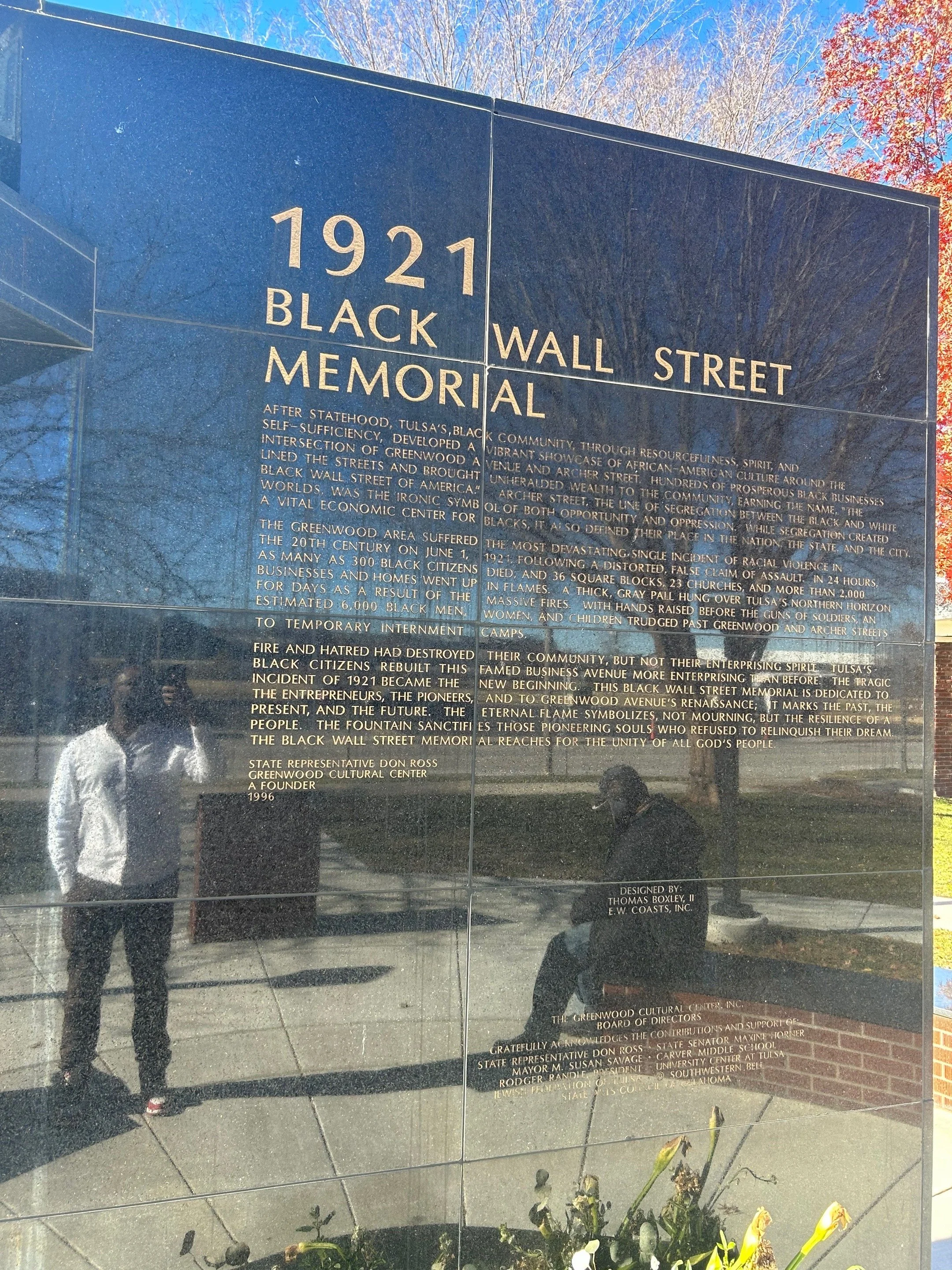


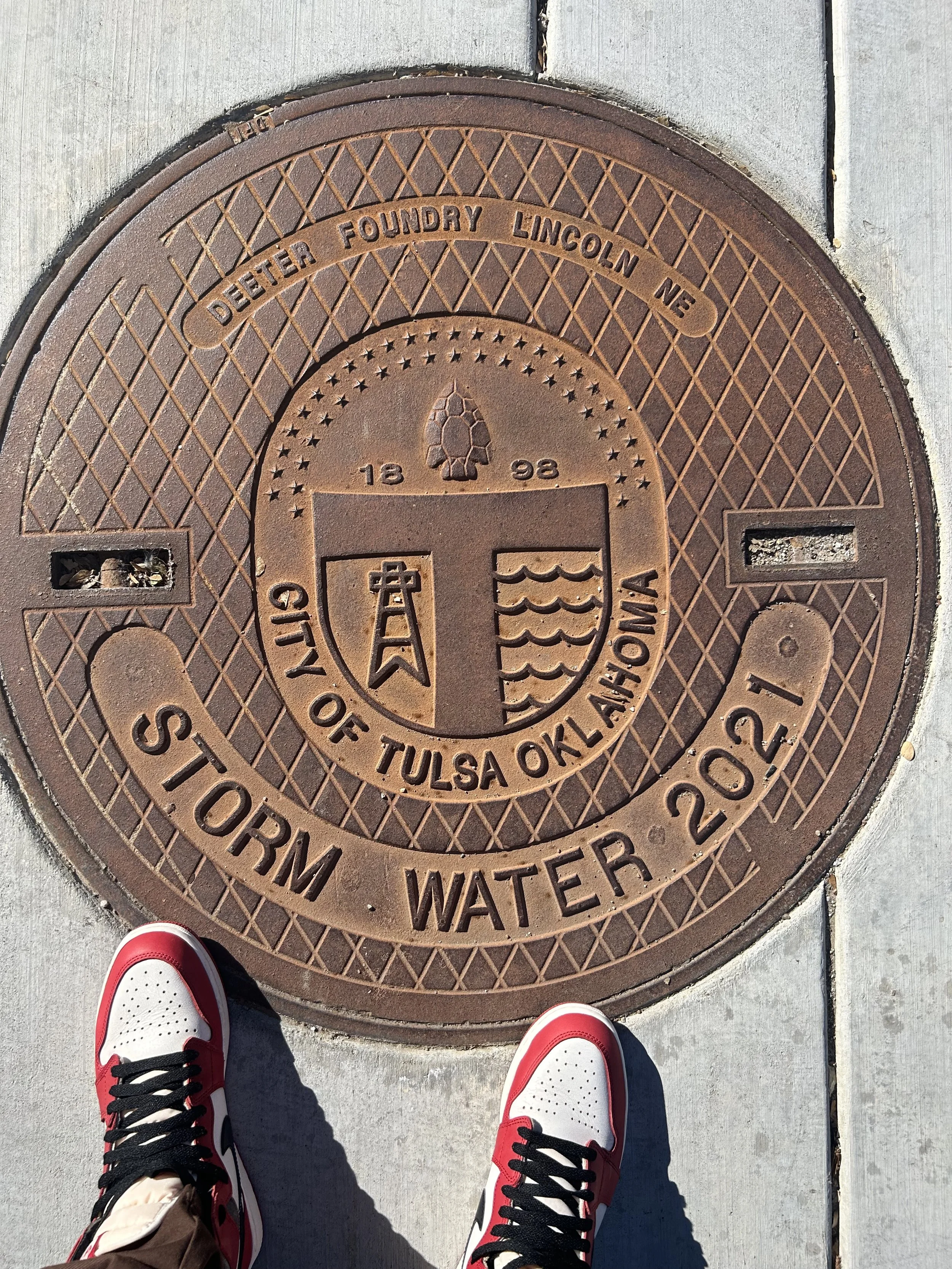

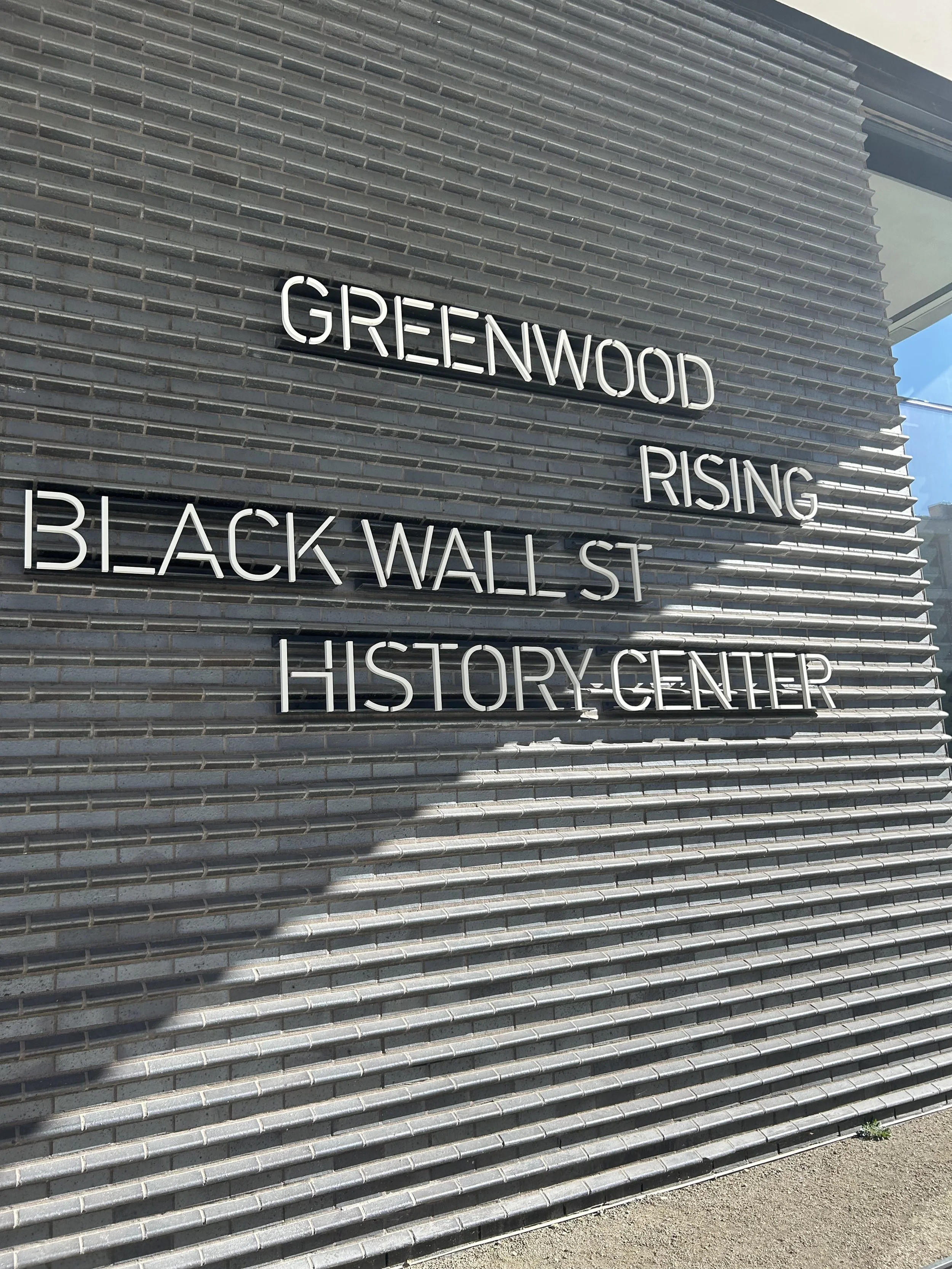
During a recent research trip, NOMMO visited the historic Greenwood District and toured Greenwood Rising, the site committed to preserving and interpreting the legacy of Black Wall Street. Standing on the sacred ground where brilliance, entrepreneurship, and community once flourished — and where racial violence attempted to extinguish it — brought renewed clarity to the stakes of our work.
Learning this history again in place underscores what the exhibitions at Greenwood Rising powerfully assert: the demands issued by 1921 are still with us. Repair is not symbolic; it is material, continuous, and anchored in accountability. The charge carried by Greenwood’s descendants, scholars, and culture-bearers mirrors a lineage of stewardship that NOMMO proudly aligns with.
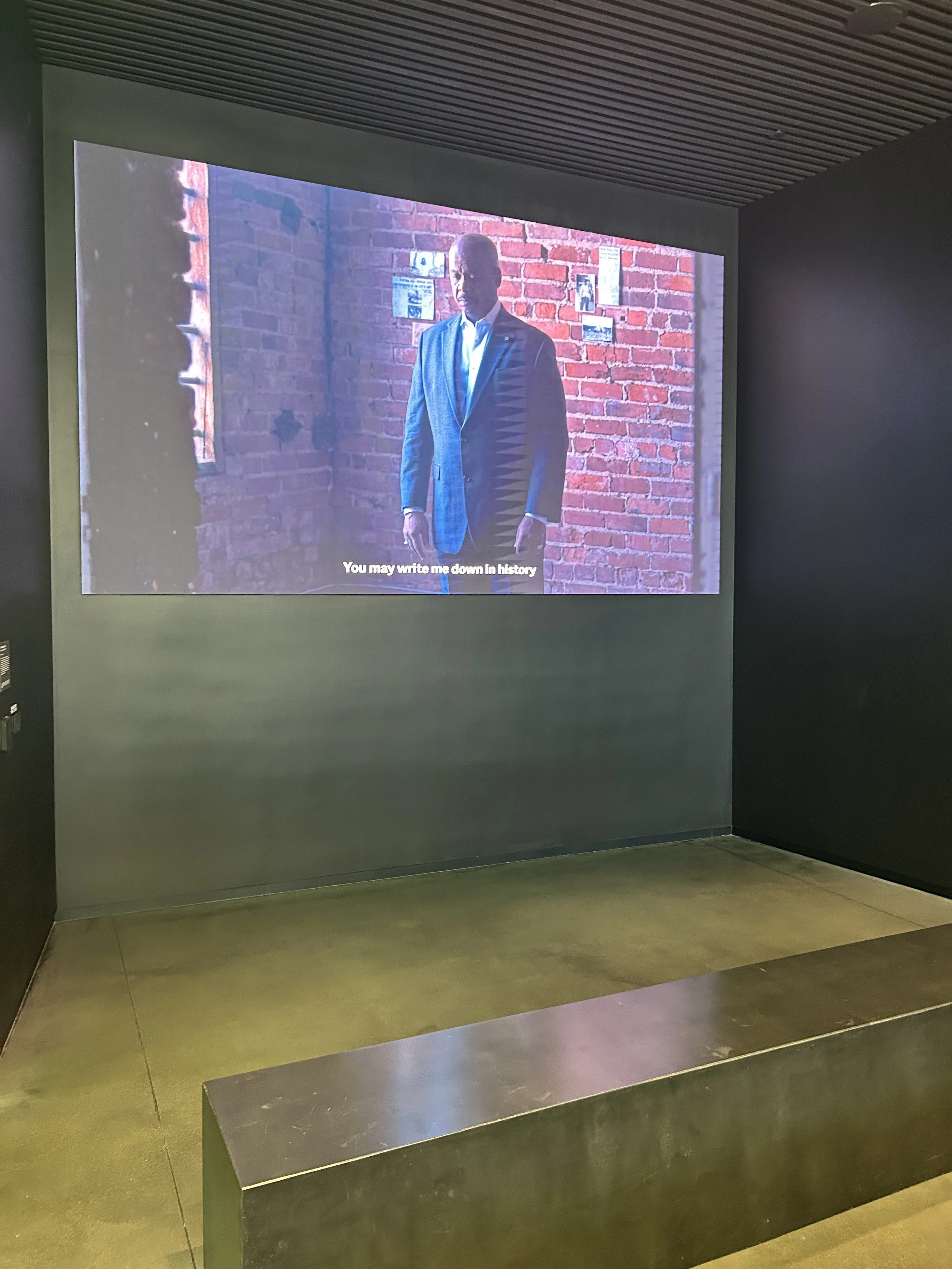
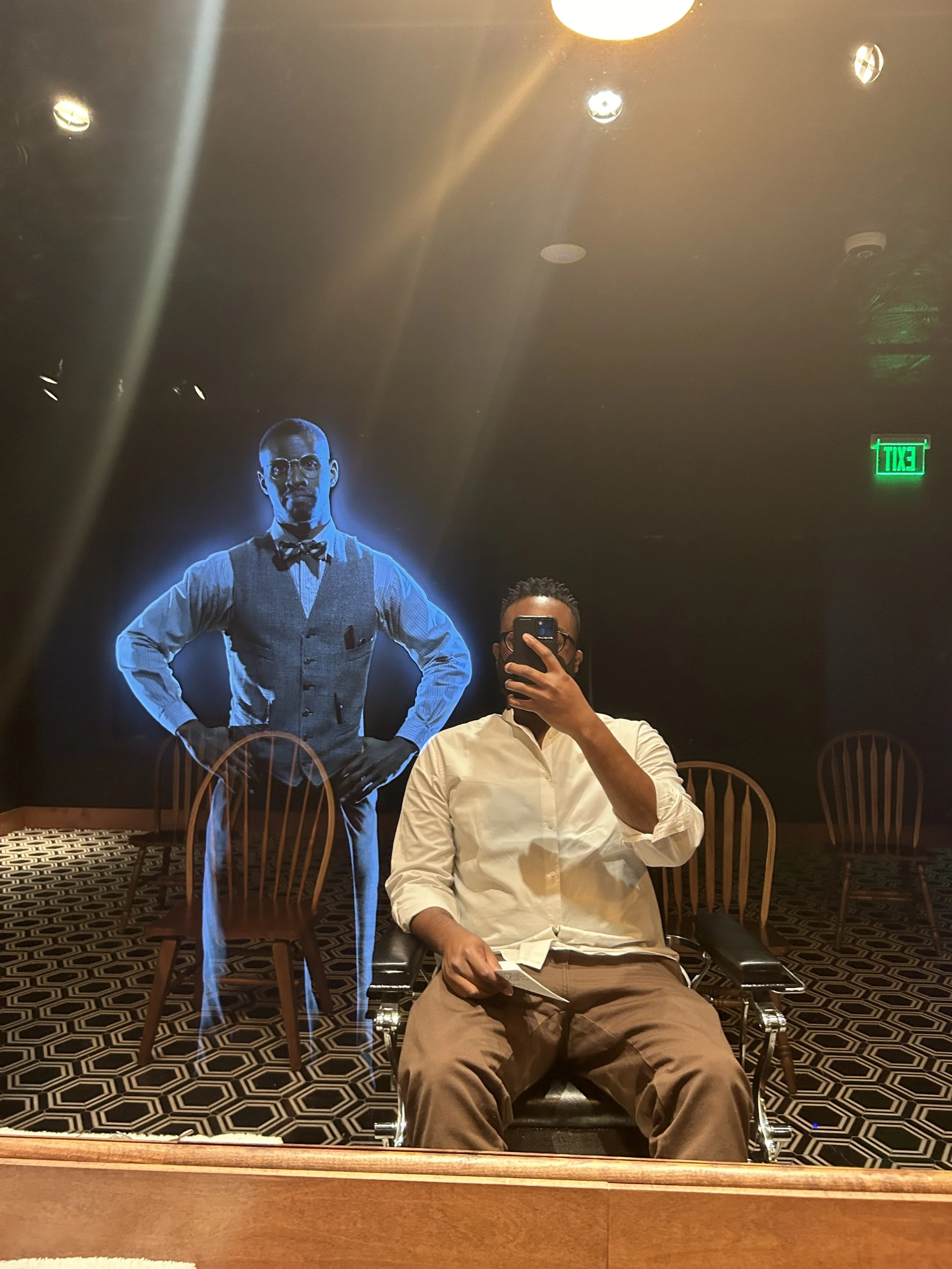

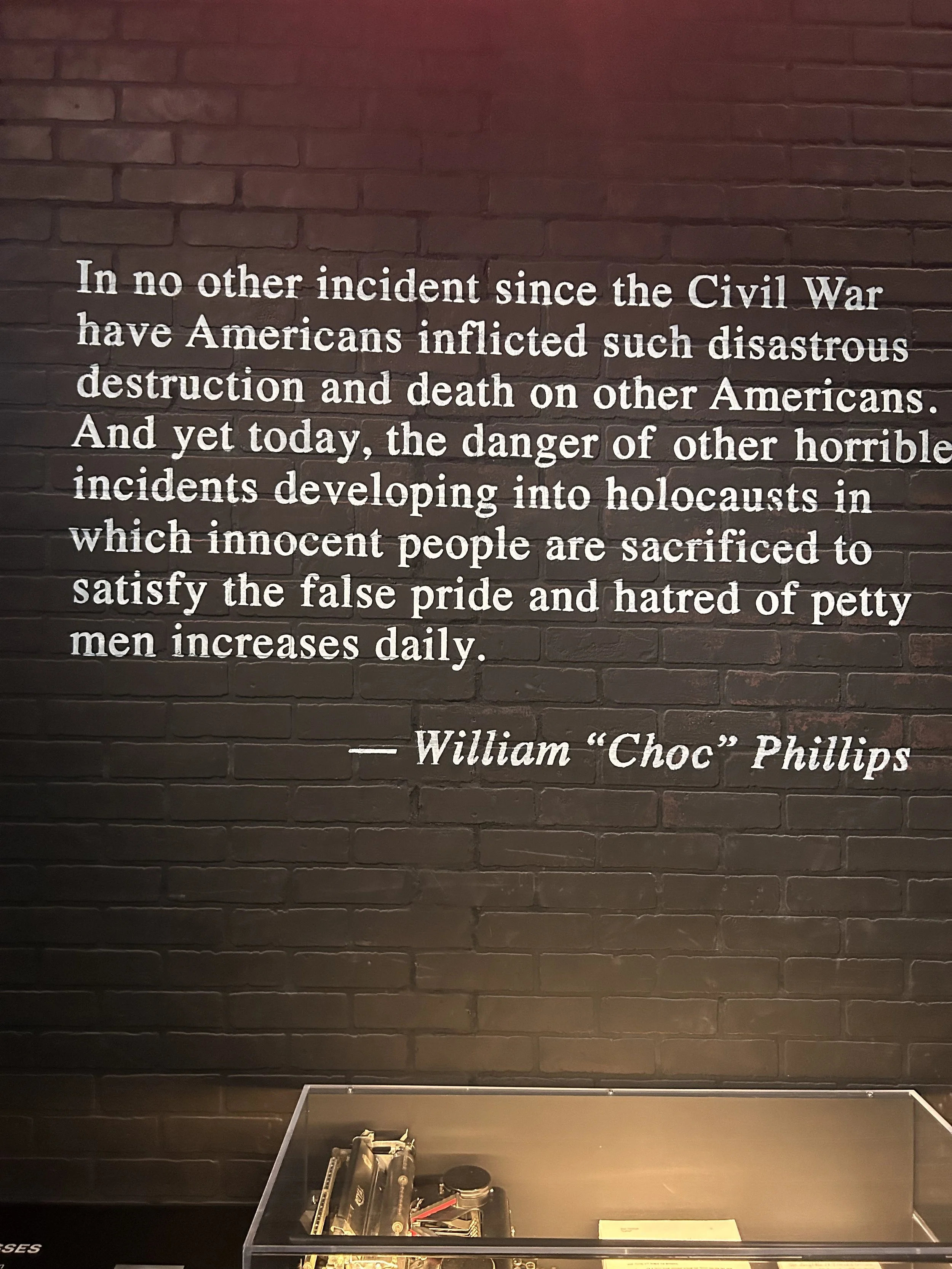
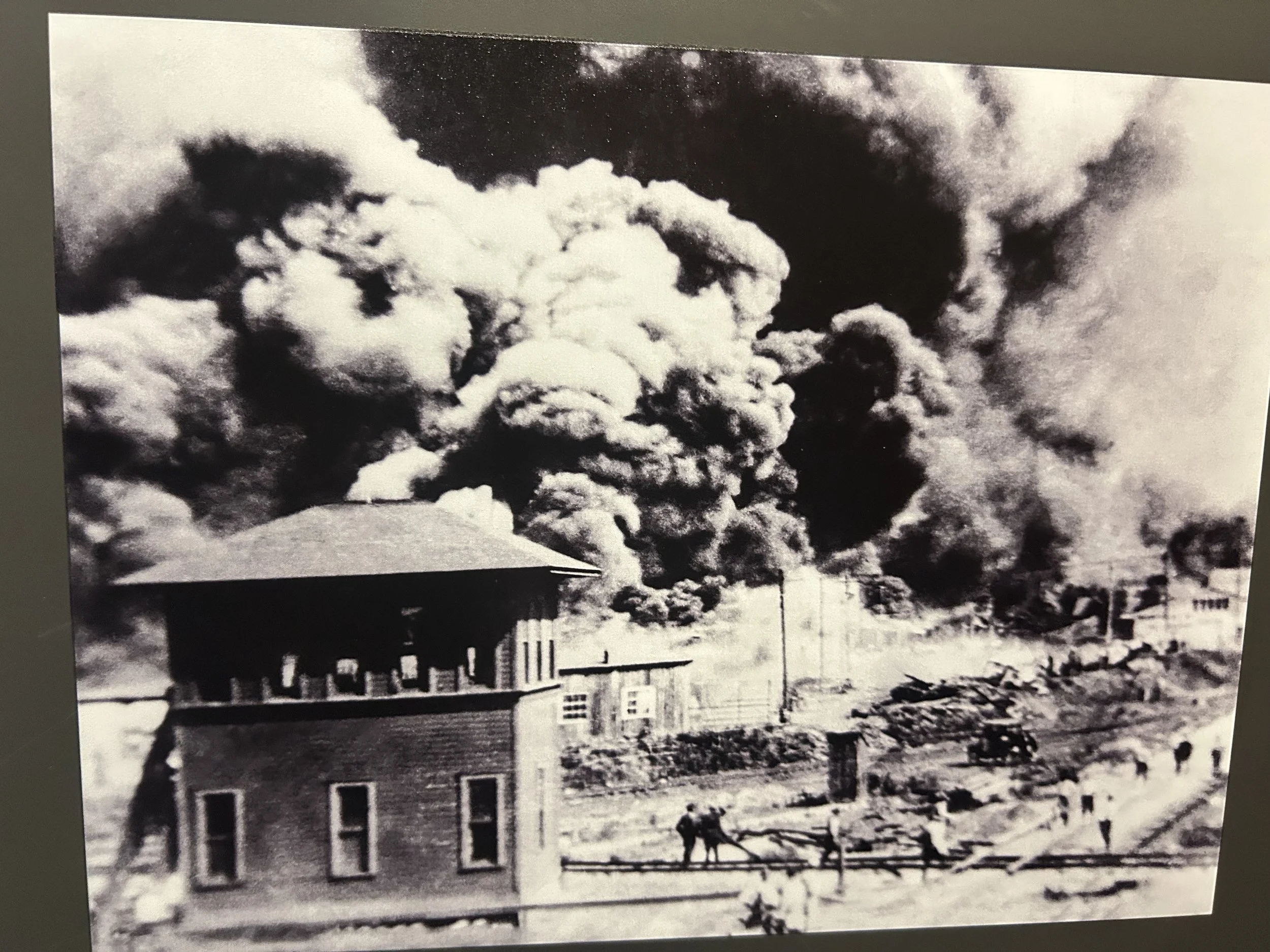
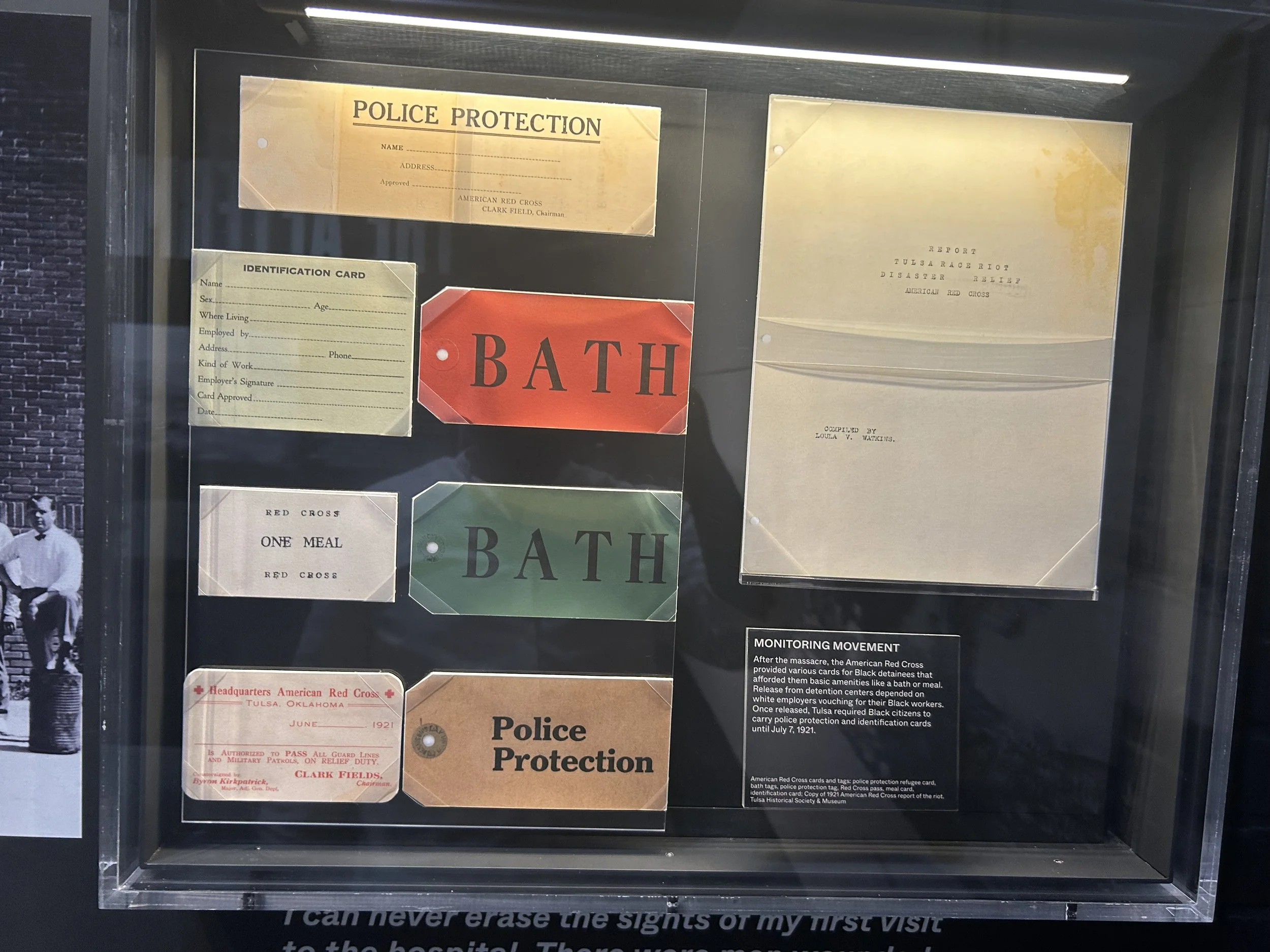
Like Ms. Fletcher, NOMMO is dedicated to making sure that the memories of those who perished, survived, resisted, and rebuilt are not pushed to the edges. Their stories teach vital lessons about democracy, freedom, and the ongoing fight for justice in the United States.
In continuing these histories, NOMMO emphasizes that memory is active, serving as a practice of restoring lost or hidden stories. Our approach involves revisiting archives, land, and community testimonies to uncover what has been purposefully concealed. Greenwood highlights that the stories we carry demand guardianship, and that the cultural effort of truth-telling is deeply linked to ongoing struggles for justice, healing, and clear understanding of history. Through research, interpretation, and storytelling, we aim to present a more complete and truthful account of the past as a step toward building a fairer future.
As we celebrate Ms. Fletcher’s life and legacy, we also recognize the responsibility she leaves for us all: to preserve memory, confront erasure, and envision Black futures deserving of the ancestors who shaped this nation.