

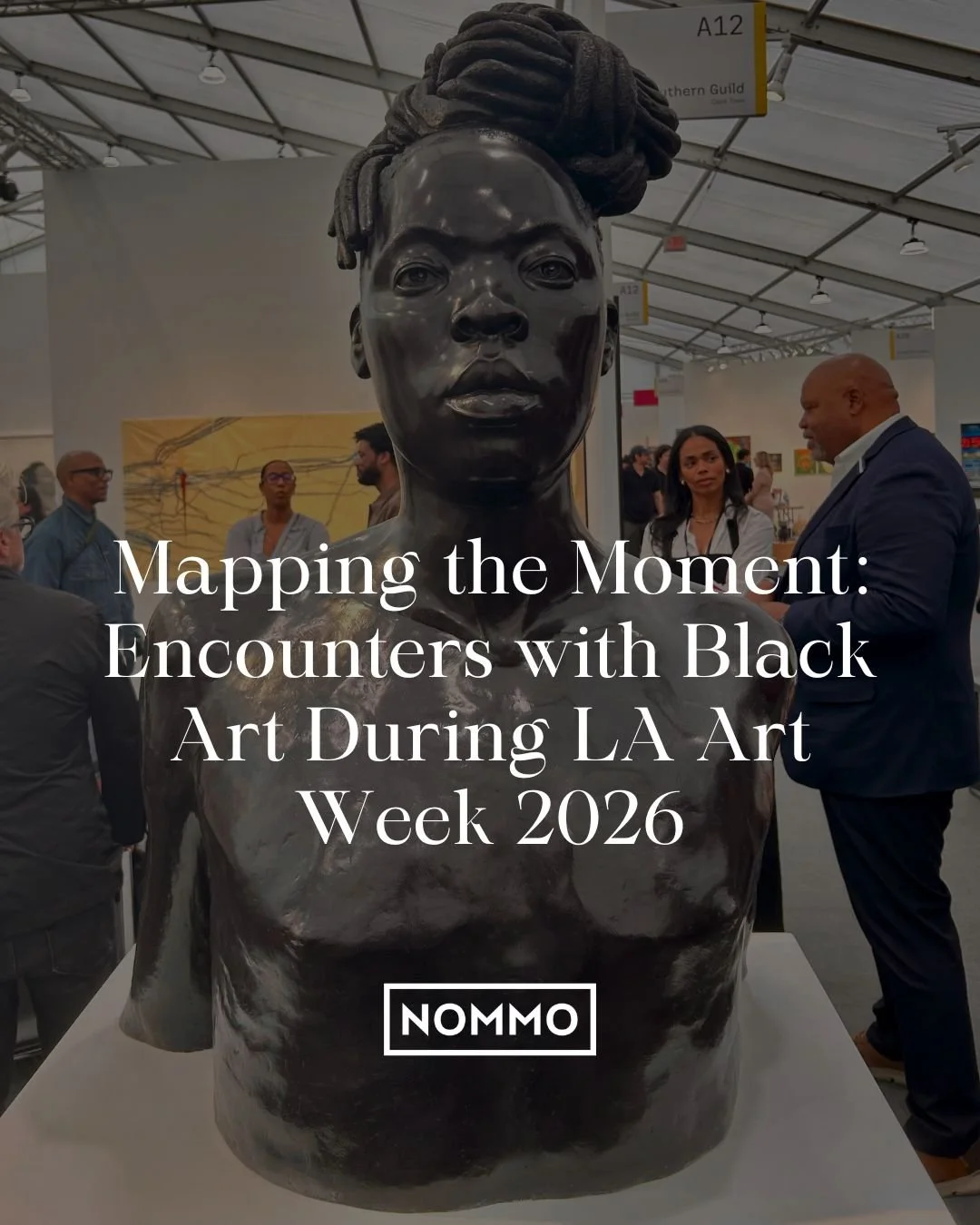
Mapping the Moment: Encounters with Black Art During LA Art Week 2026
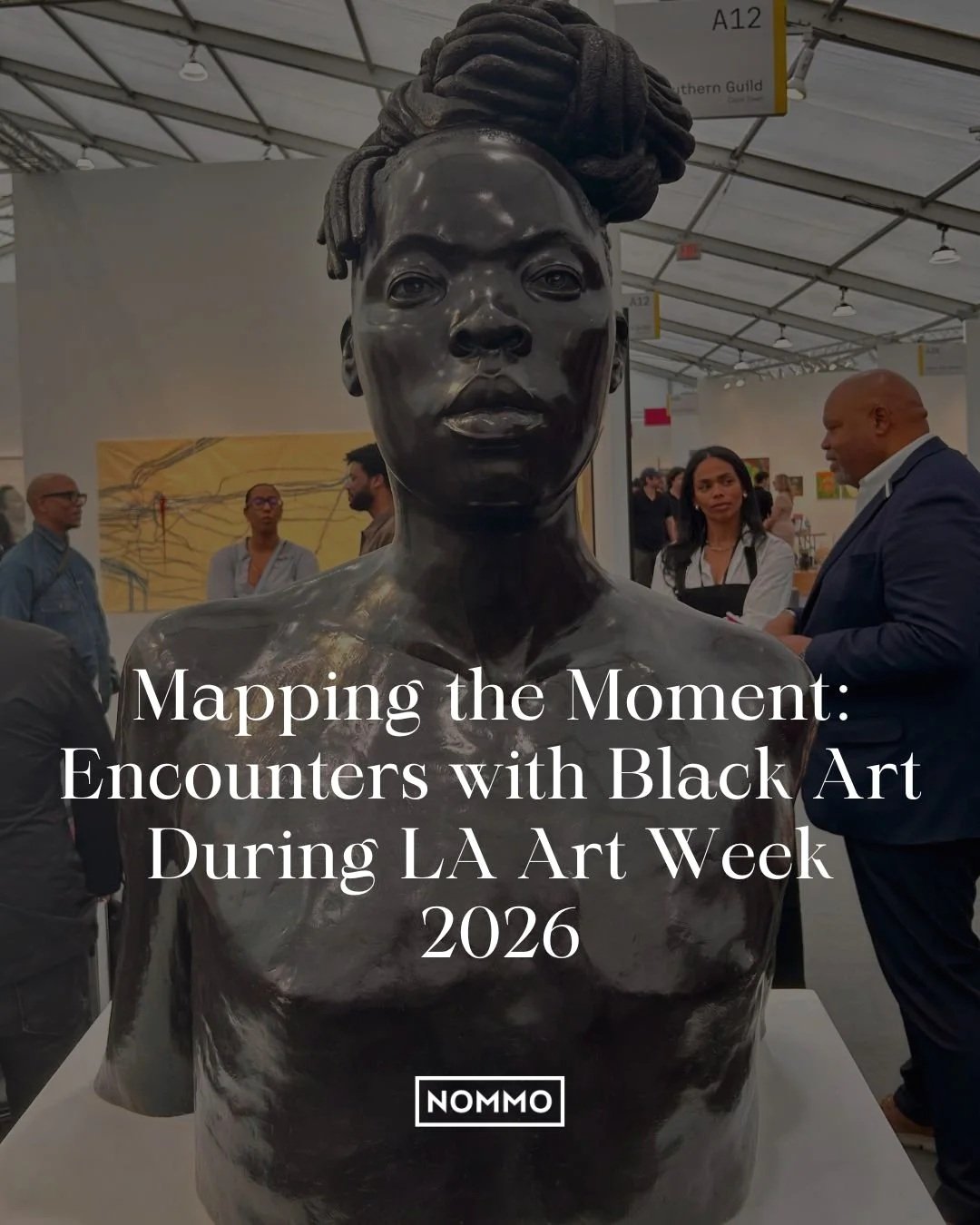
Frieze LA 2026.
LA Art Week is often defined by major fairs like Frieze and Felix, as well as numerous satellite exhibitions that position Los Angeles as a global center for contemporary art. This year, we observed that Black artistic presence was not confined to a single venue or event. Instead, it appeared across fairs, galleries, and cultural spaces, highlighting a broader artistic ecosystem throughout the city.
Over several days, NOMMO Cultural Strategies engaged with artists, curators, collectors, and institutions, shaping this evolving landscape. These Field Notes are not a comprehensive guide to every fair or event during LA Art Week. Instead, they highlight select moments that offer insight into how Black art shapes Los Angeles's cultural geography.
The Global Stage: Frieze Los Angeles ‘26
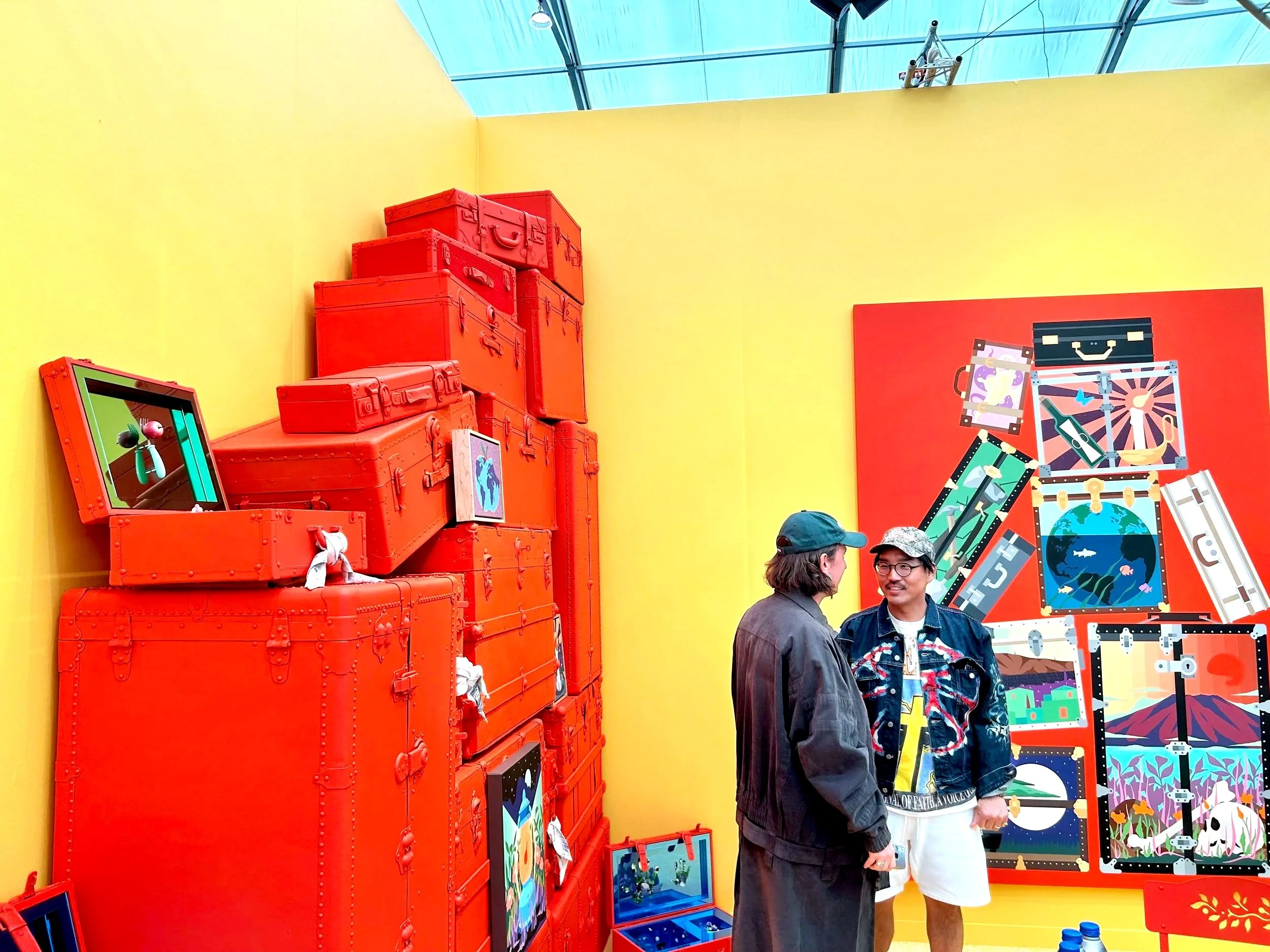
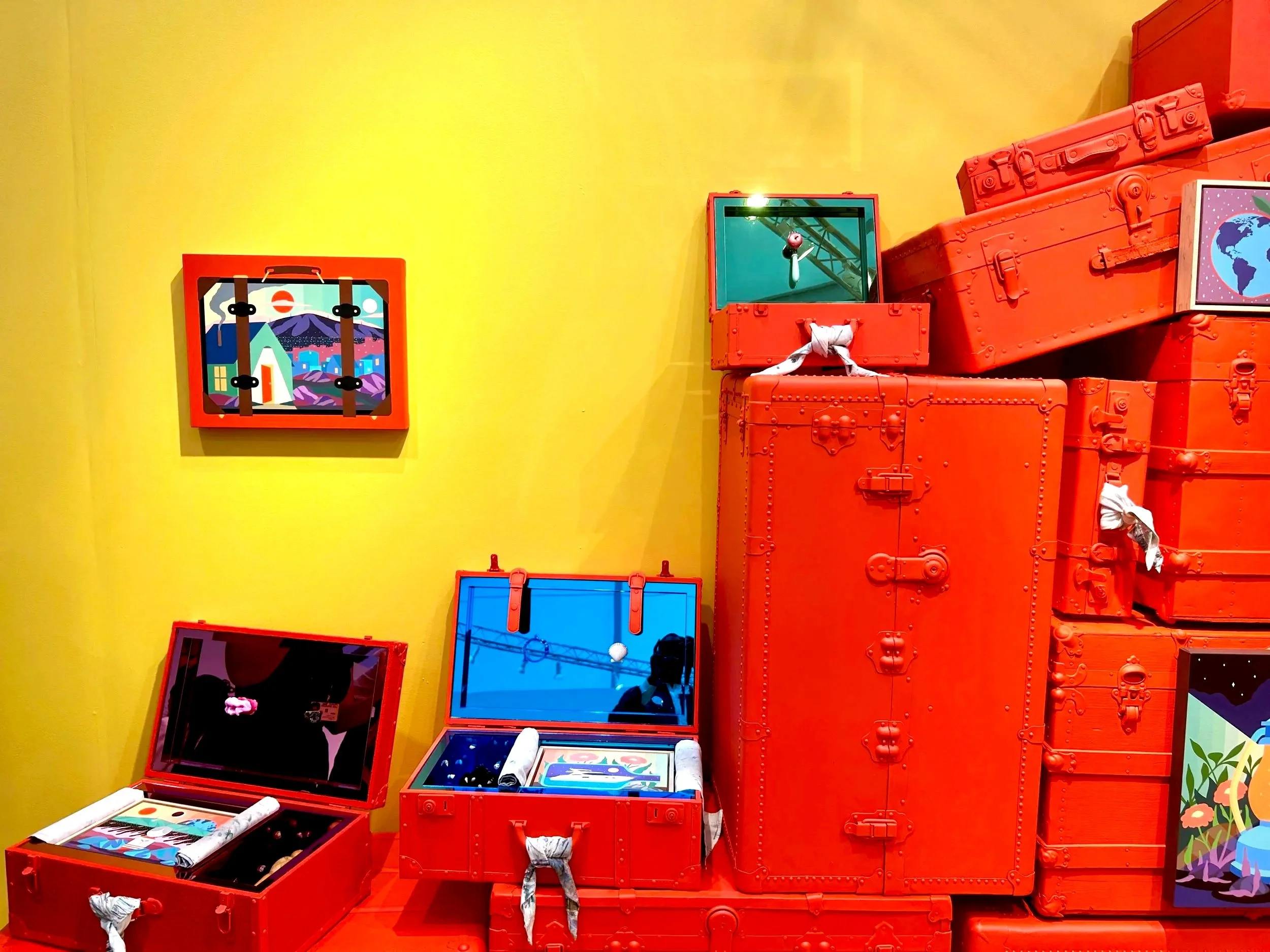
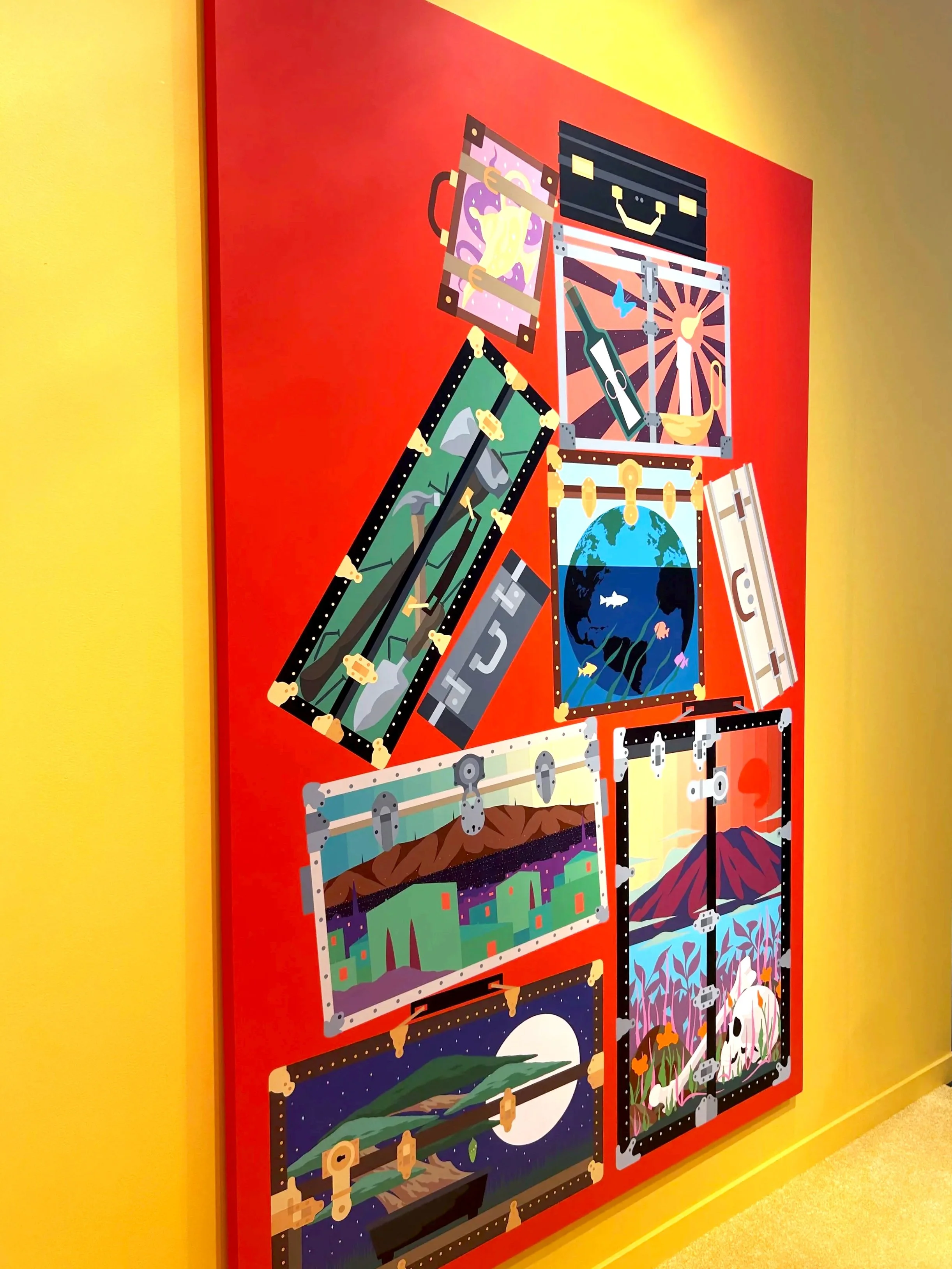
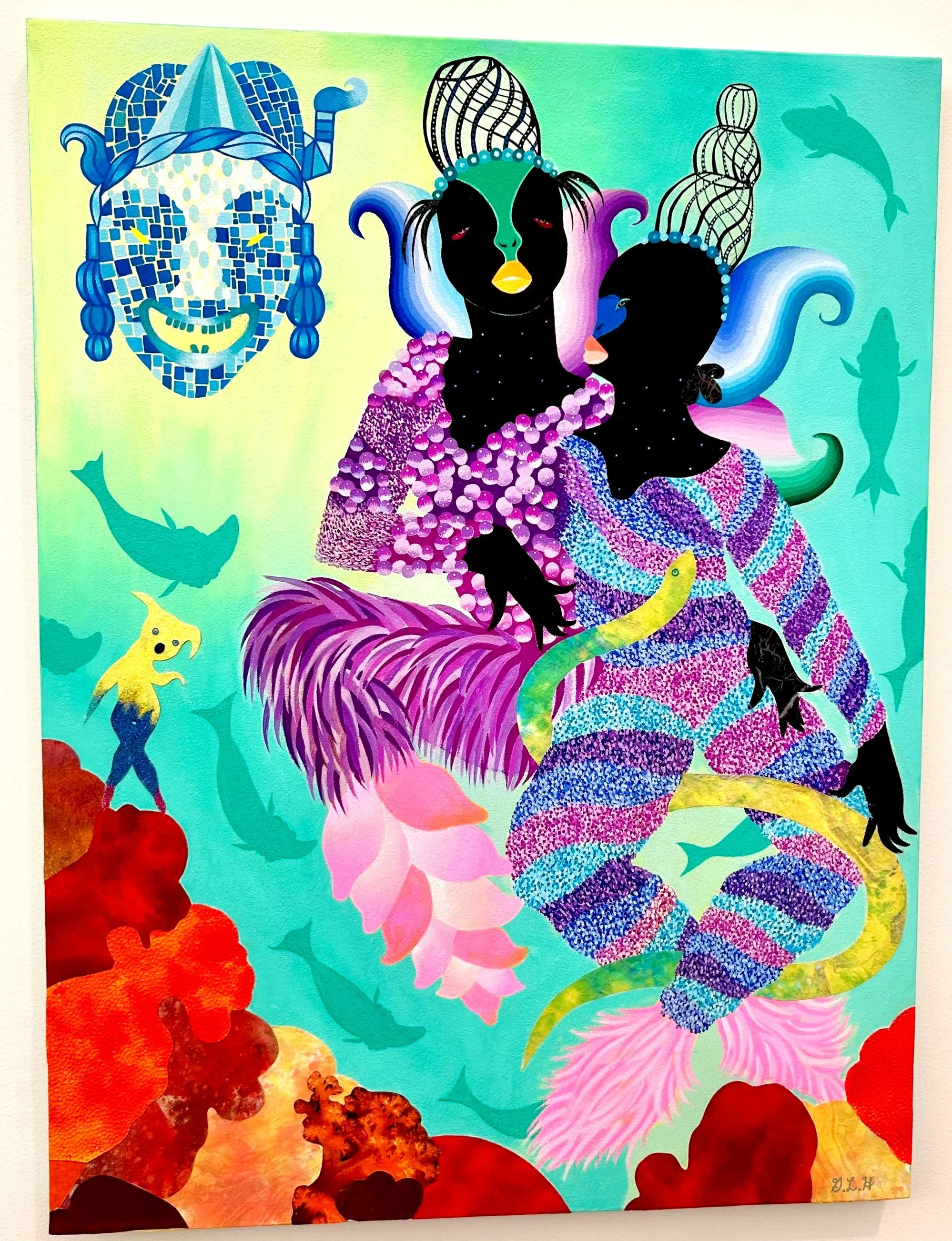
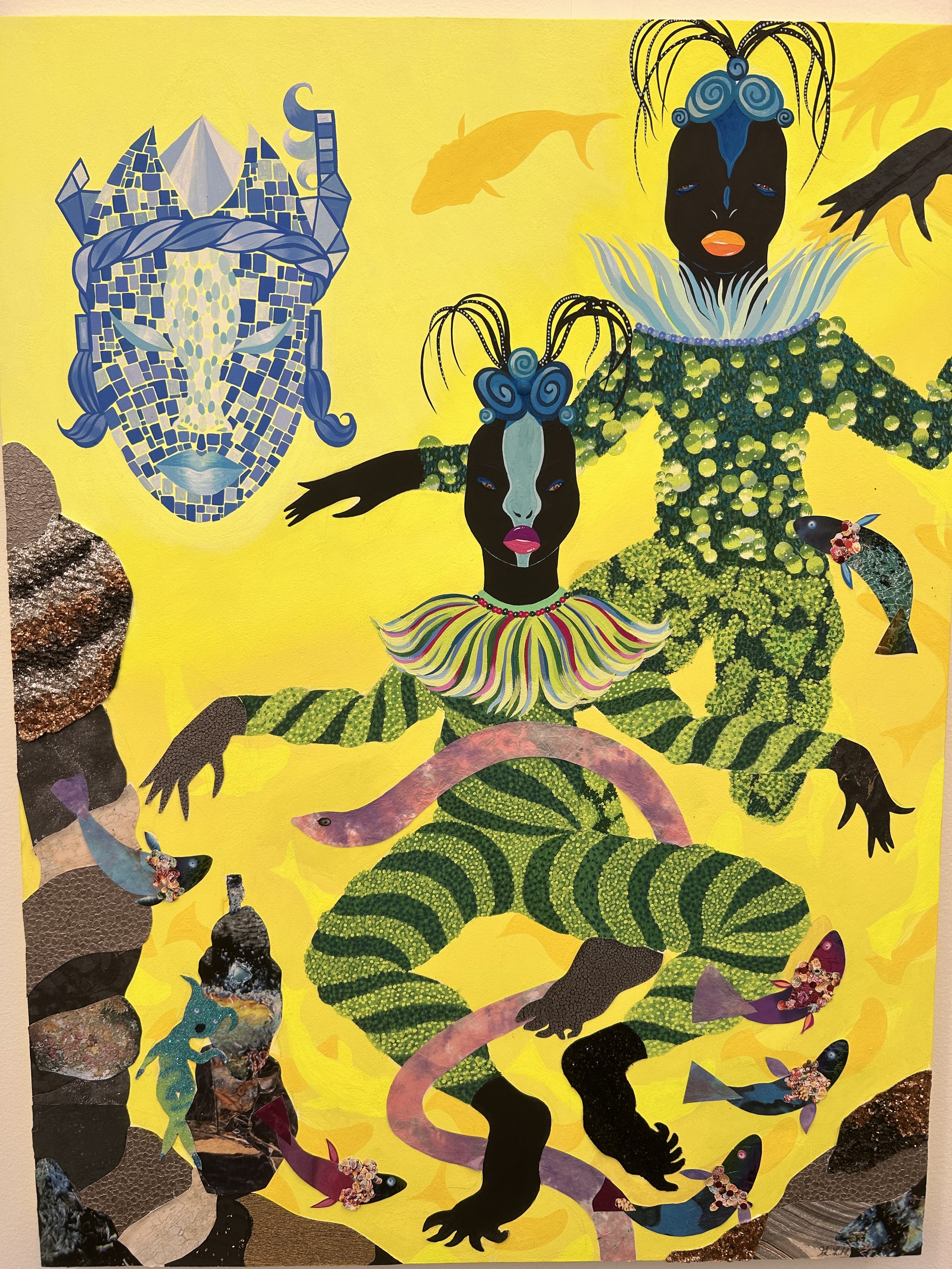
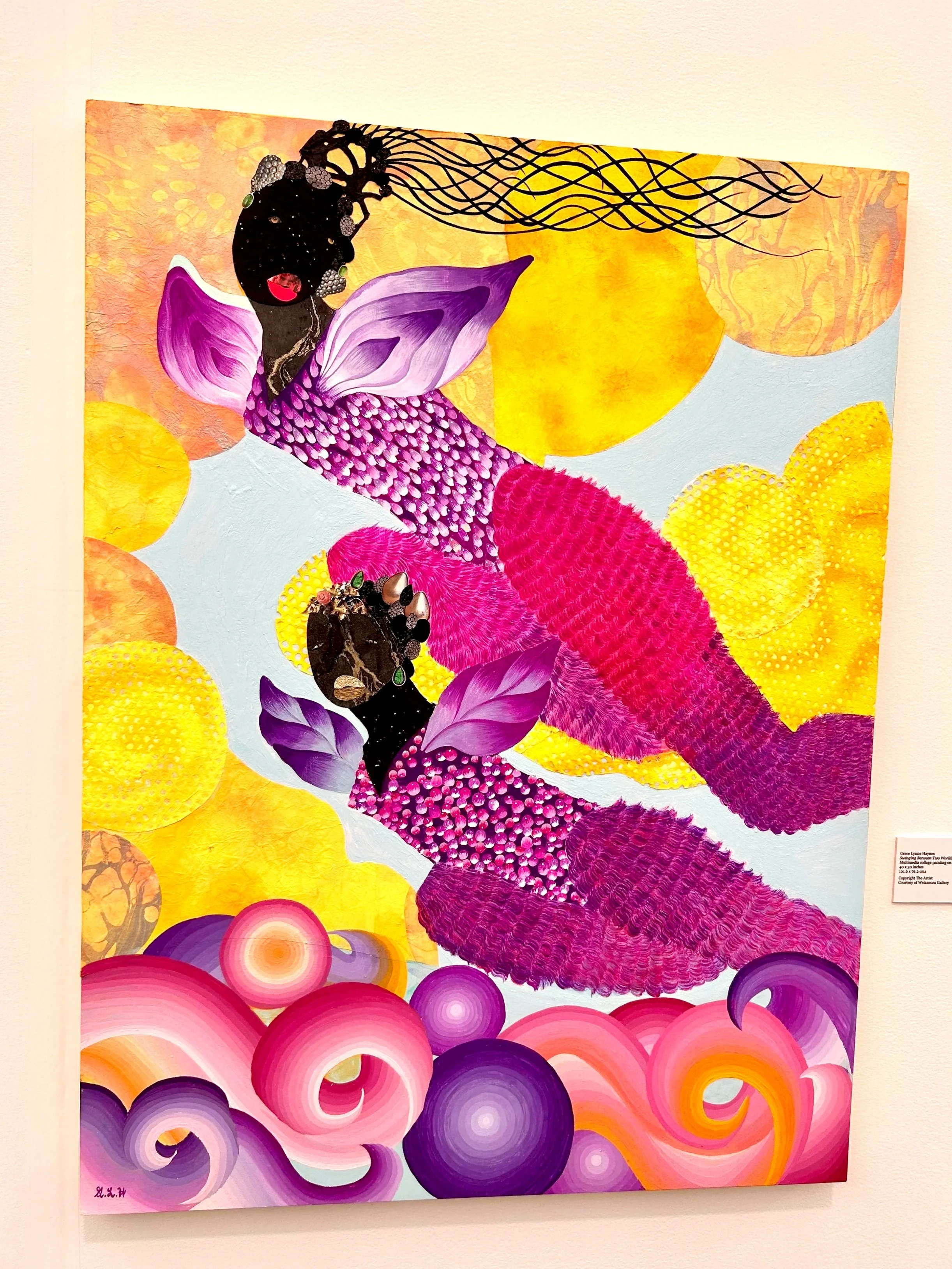
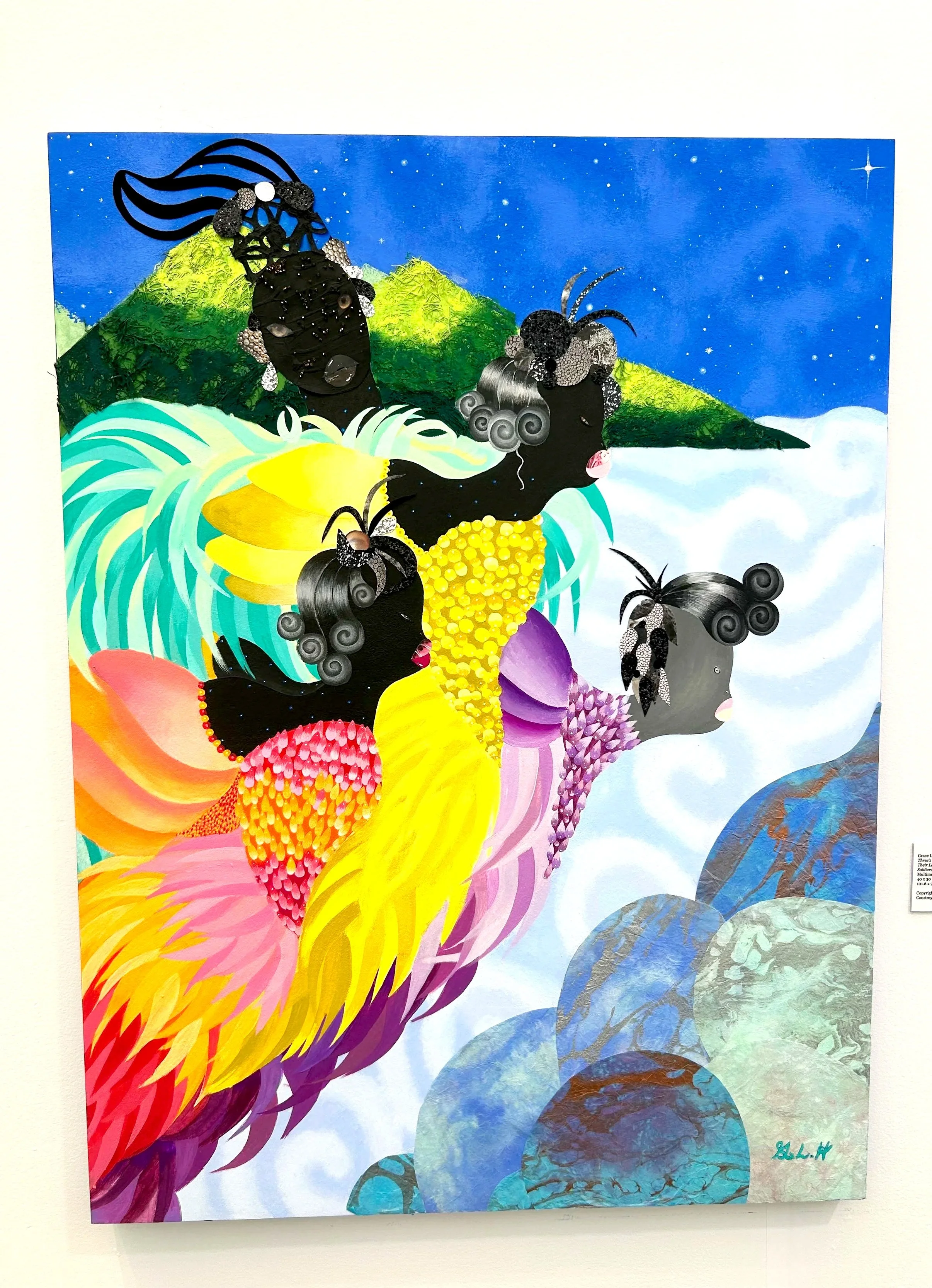
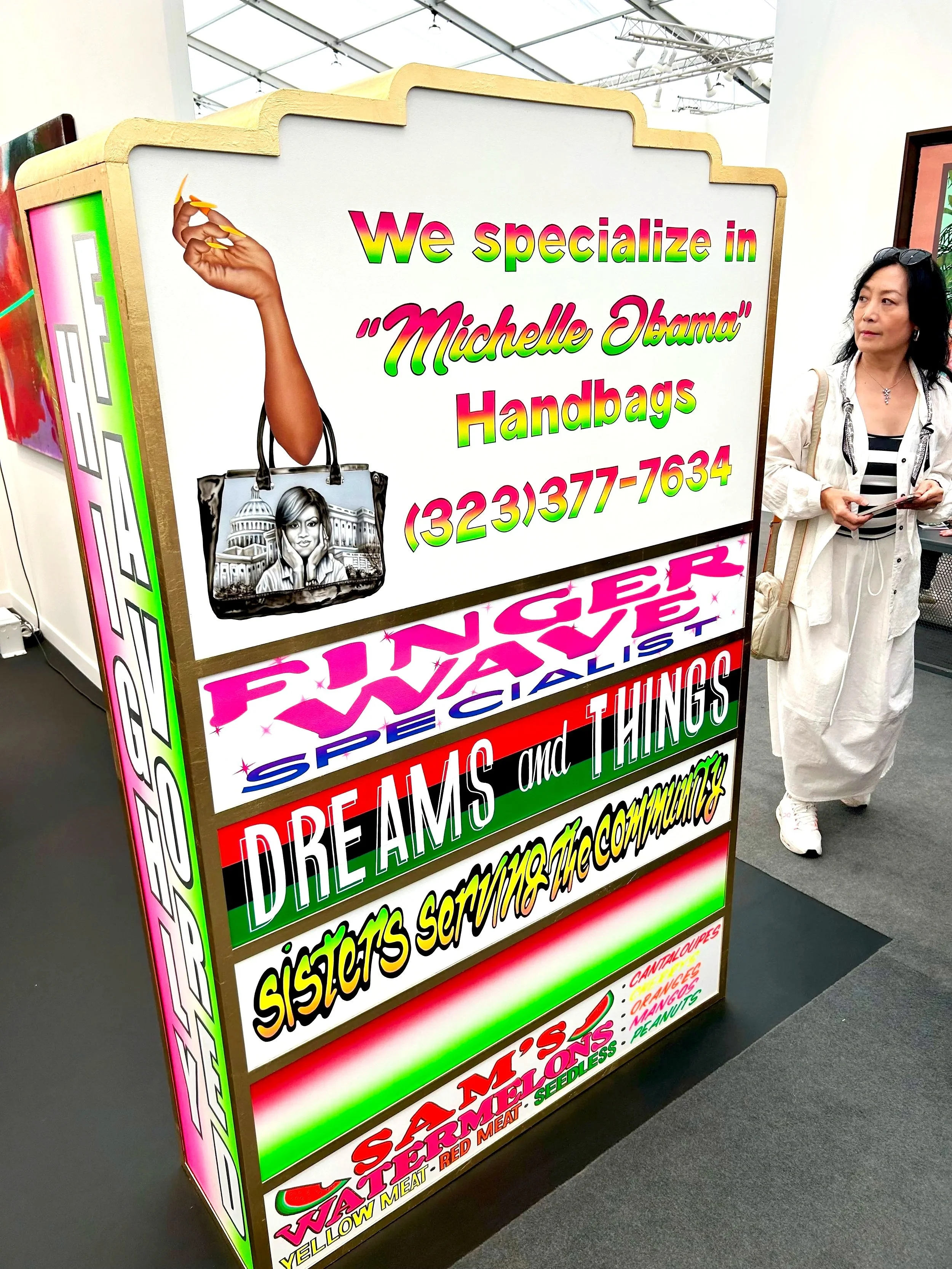
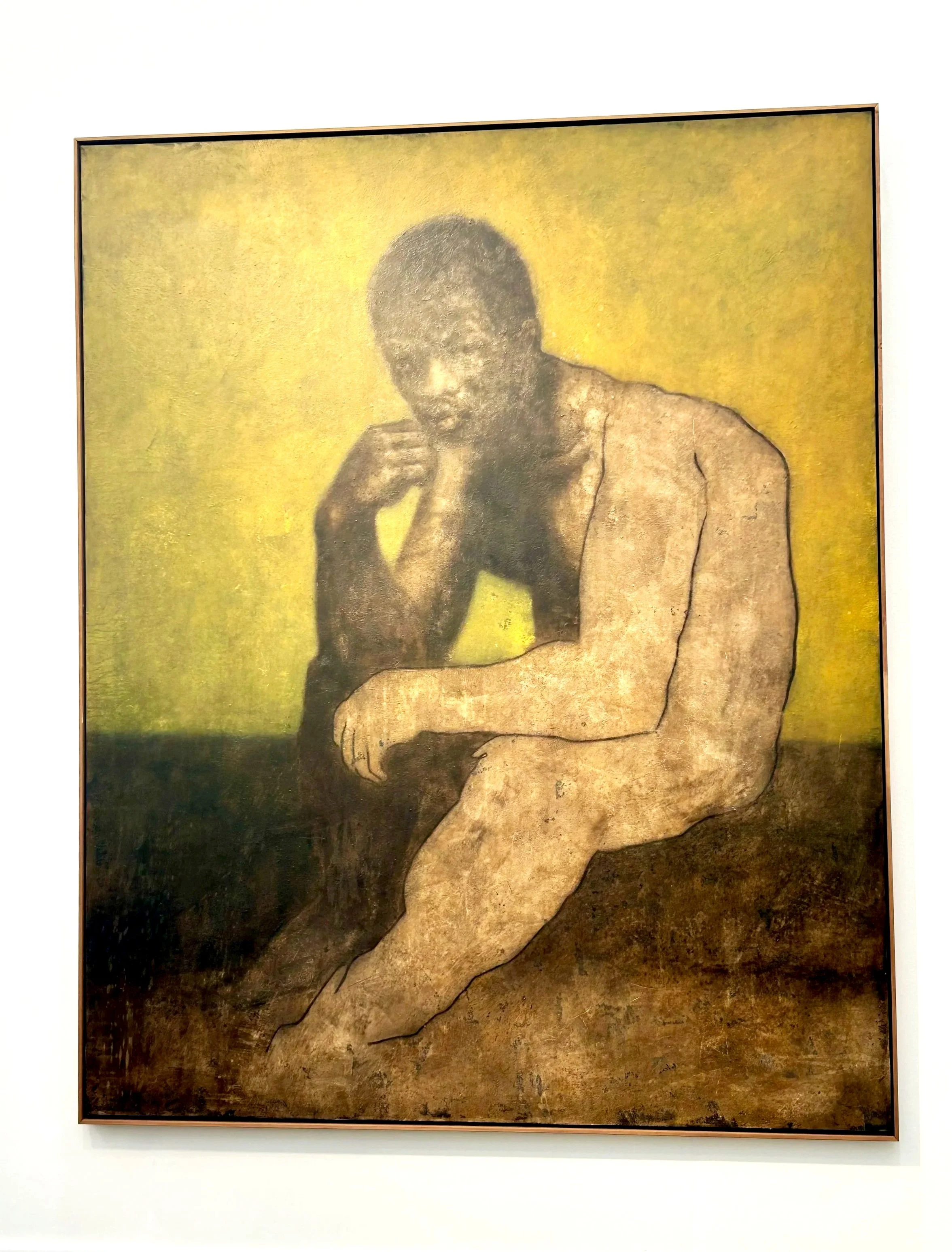
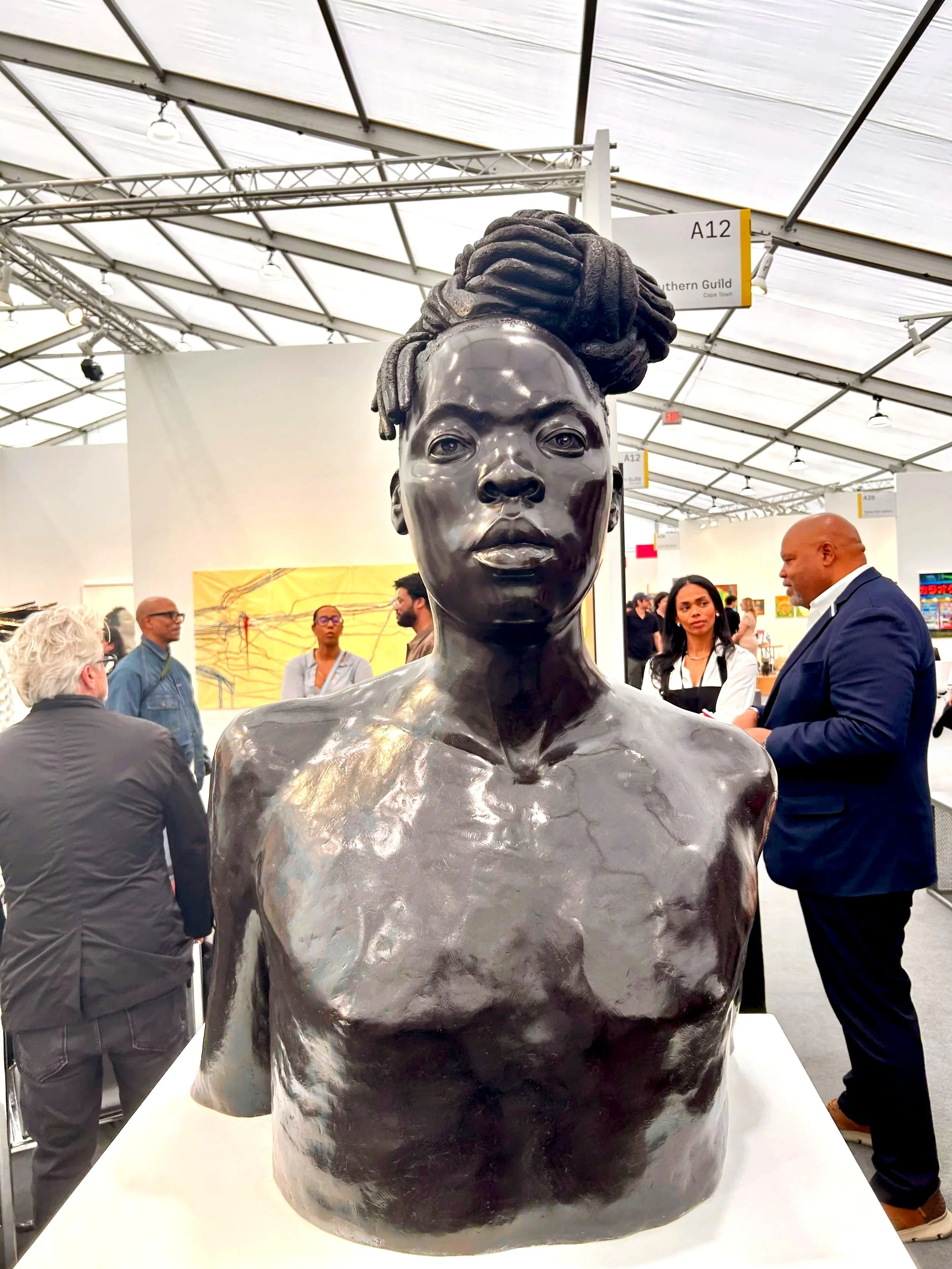
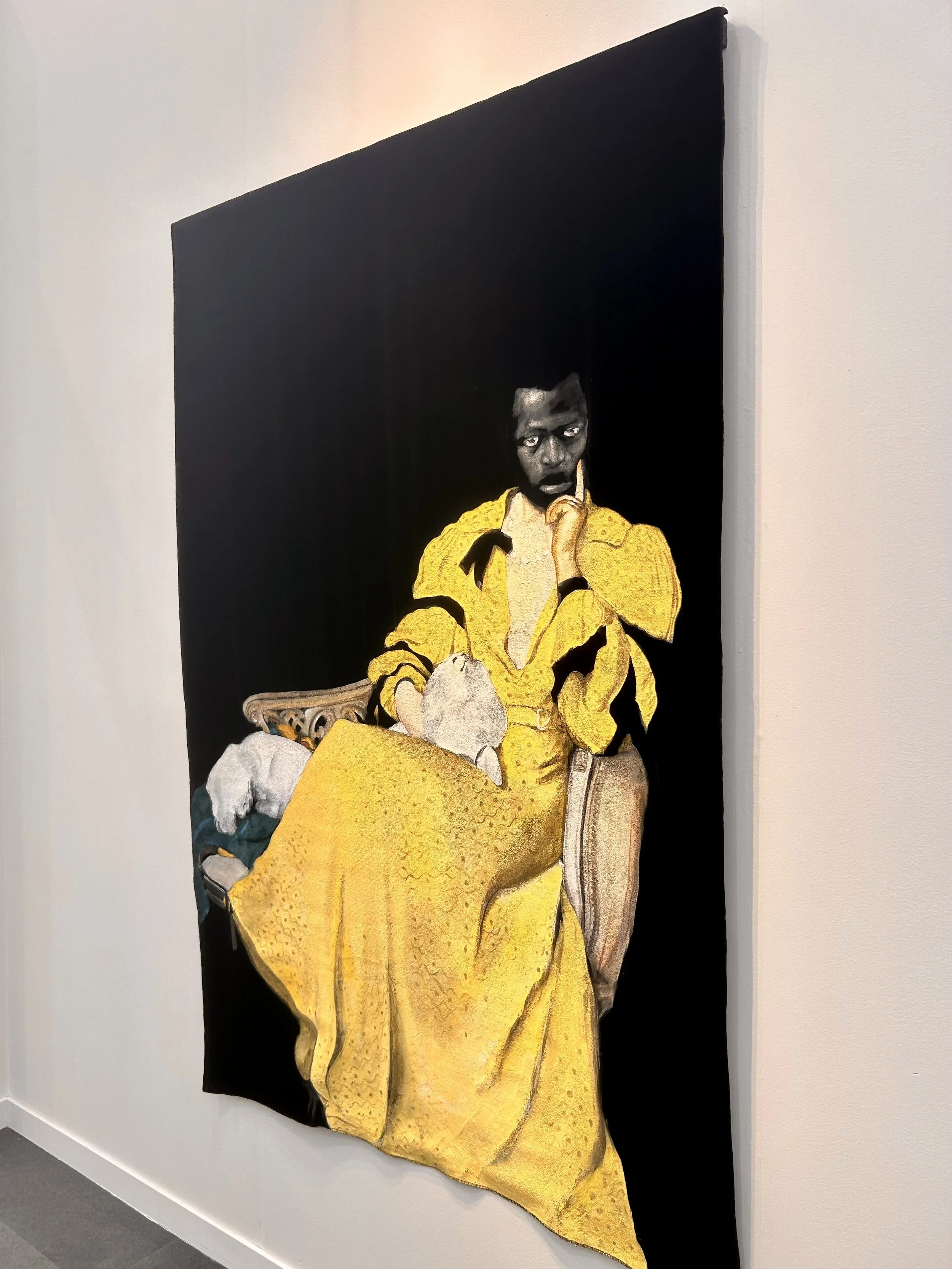
A key highlight of LA Art Week is Frieze Los Angeles, where collectors, curators, artists, and institutions from around the world gather at the Santa Monica Airport to engage with contemporary art on an international scale.
Several presentations stood out at the fair for their curatorial clarity and artistic impact.
Superposition Gallery, led by Storm Ascher and curated by Essence Harden, presented a vibrant selection that balanced visual energy with curatorial intent. Greg Ito’s paintings, central to the booth, explored identity, cultural memory, and diasporic belonging through abstraction and symbolism. Harden’s approach allowed the work to resonate, creating a booth that was both visually striking and conceptually grounded.
Welancora Gallery featured works by Grace Lynne Haynes, whose practice explores abstraction, embodiment, and the emotional architecture of the human figure. The booth offered a contemplative atmosphere, providing a moment of reflection amid the fair’s visual intensity.
Southern Guild’s presentation was also significant, bringing together artists from the African diaspora. Cinga Samson’s paintings, in particular, created a powerful moment. His atmospheric compositions invite viewers into quiet psychological landscapes that linger beyond the initial encounter.
Together, these presentations showed how artists connected to the African diaspora continue to shape discourse in the global art market. However, Black artistic presence during LA Art Week extended beyond the fair.
The Collector’s Archive: The Eileen Harris Norton Collection at Hauser & Wirth
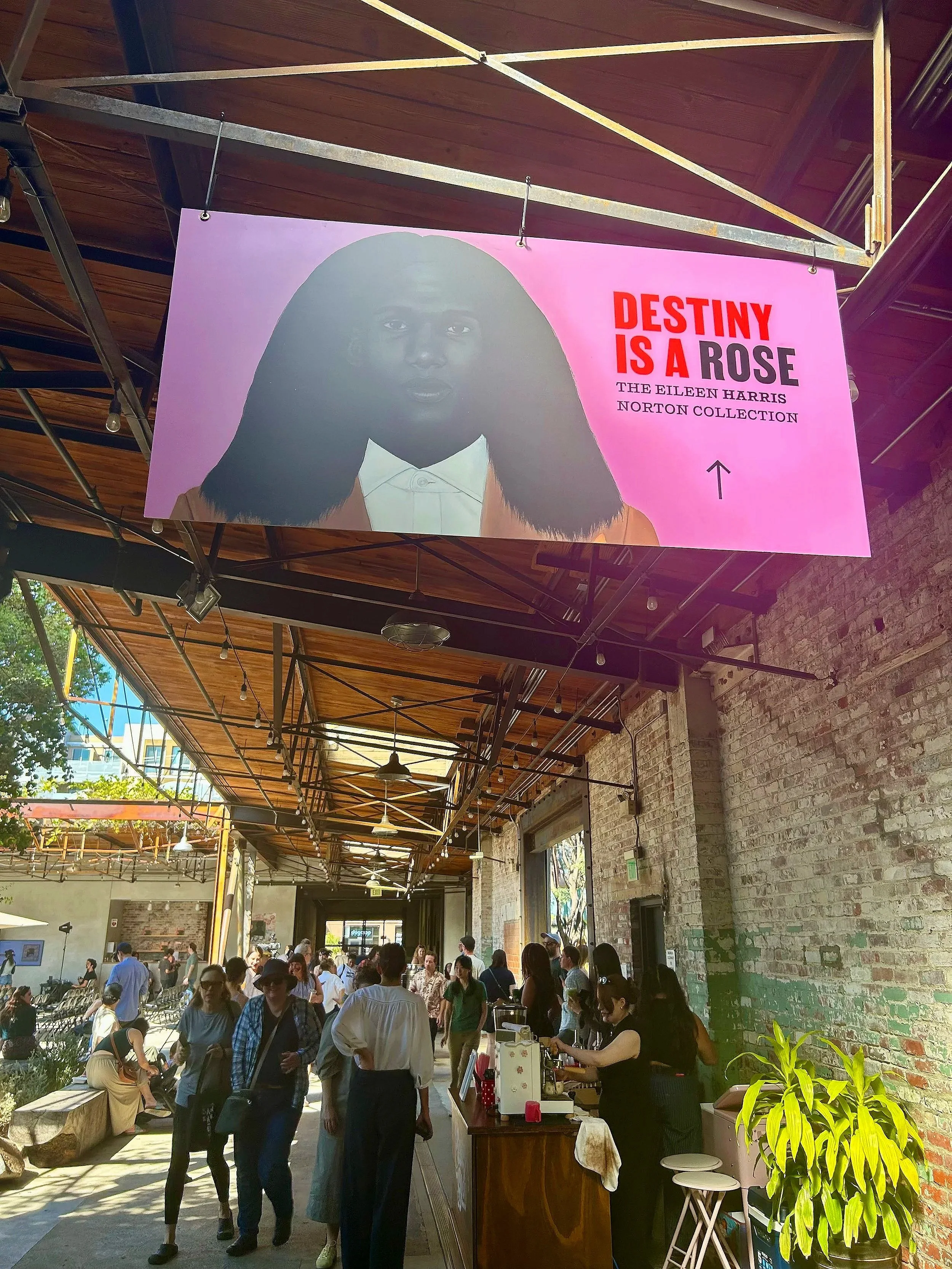
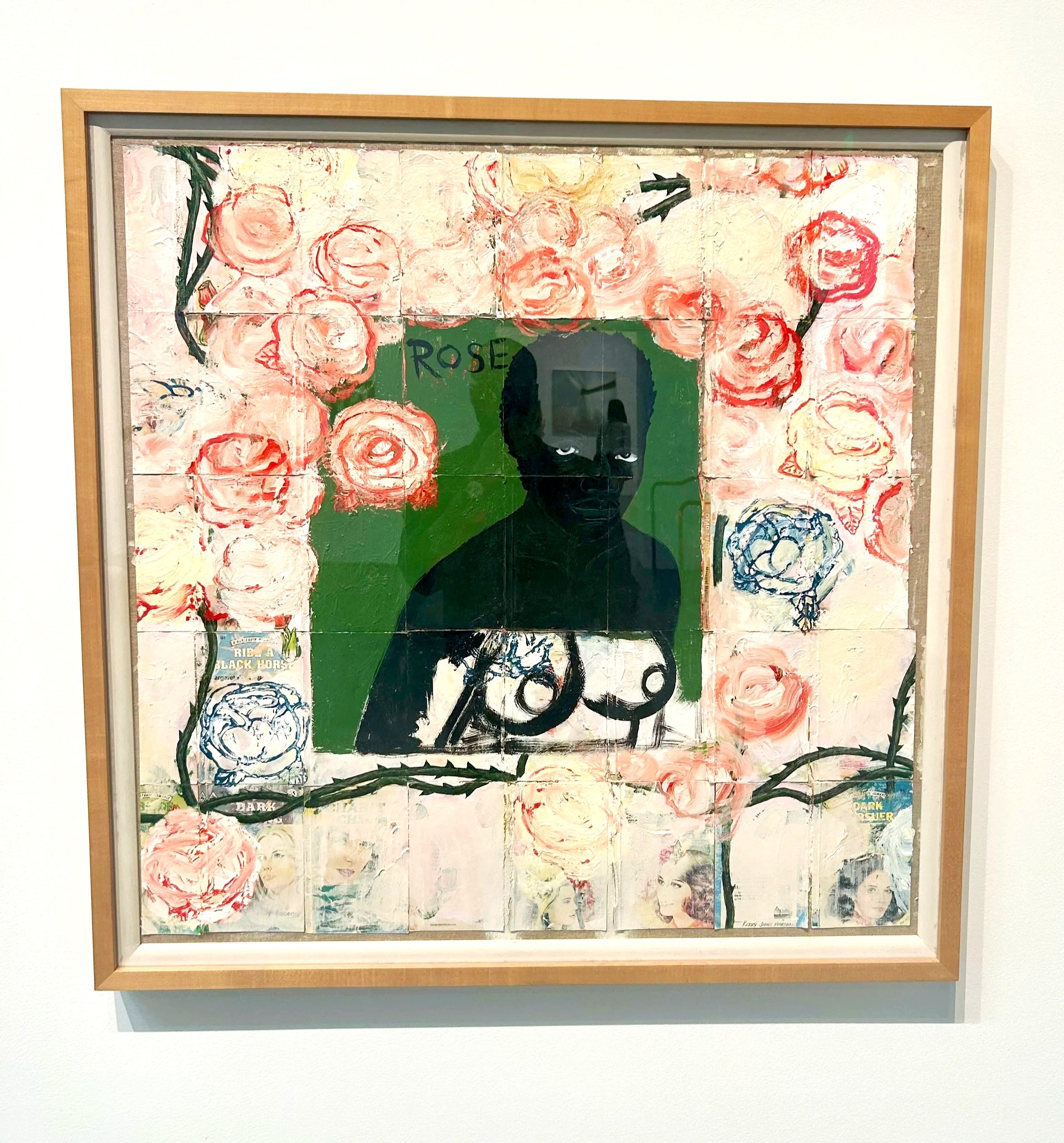
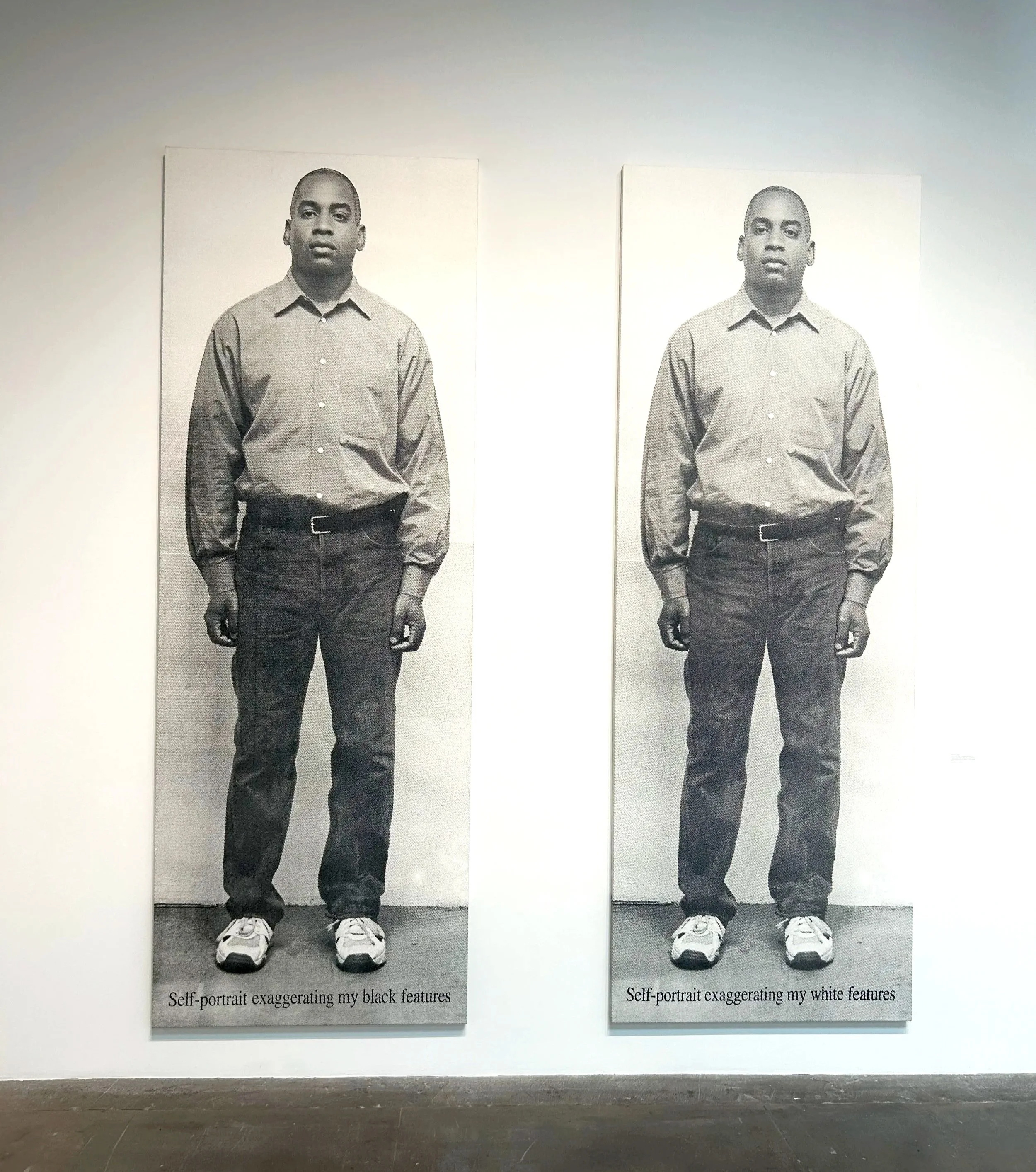
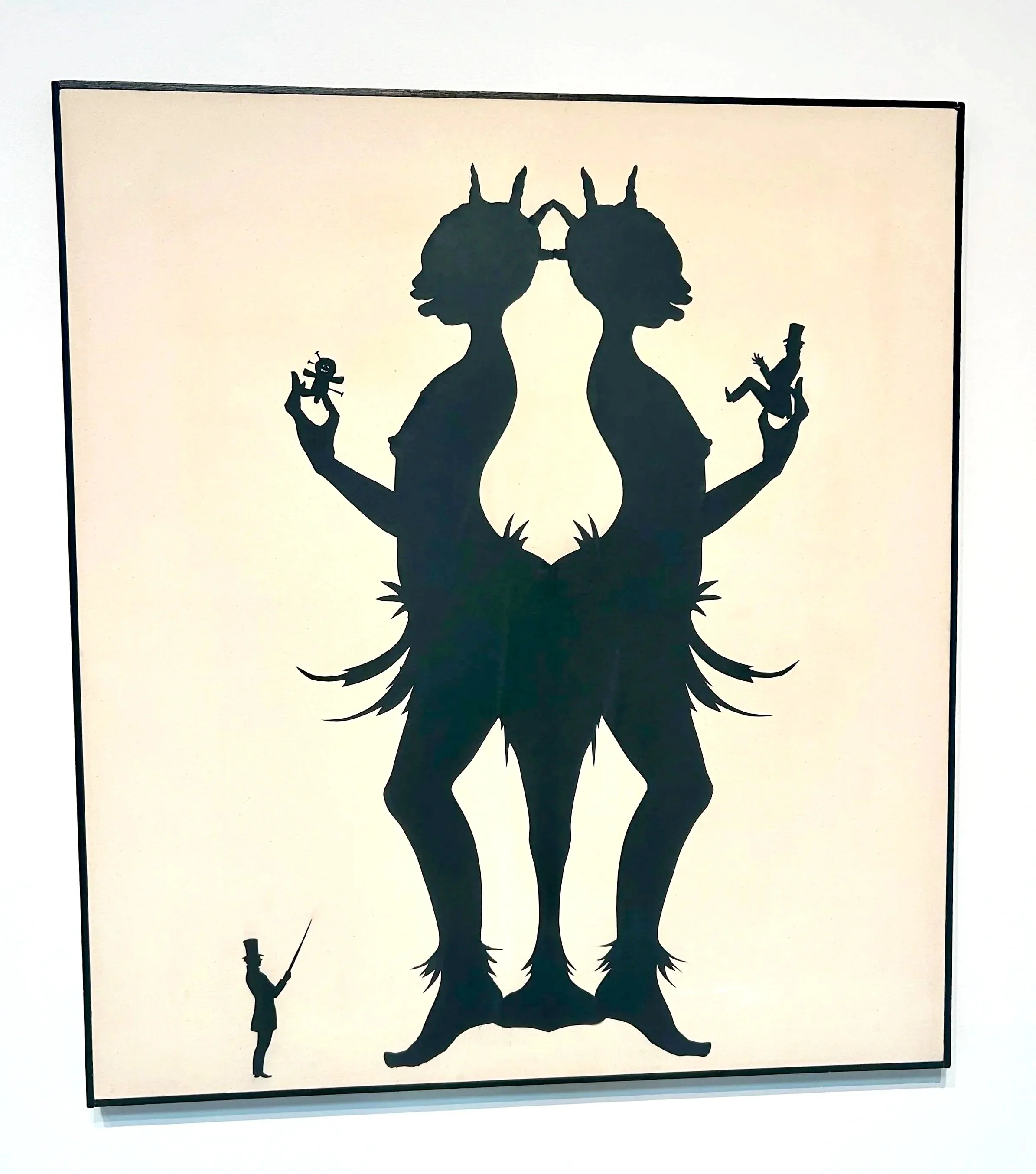
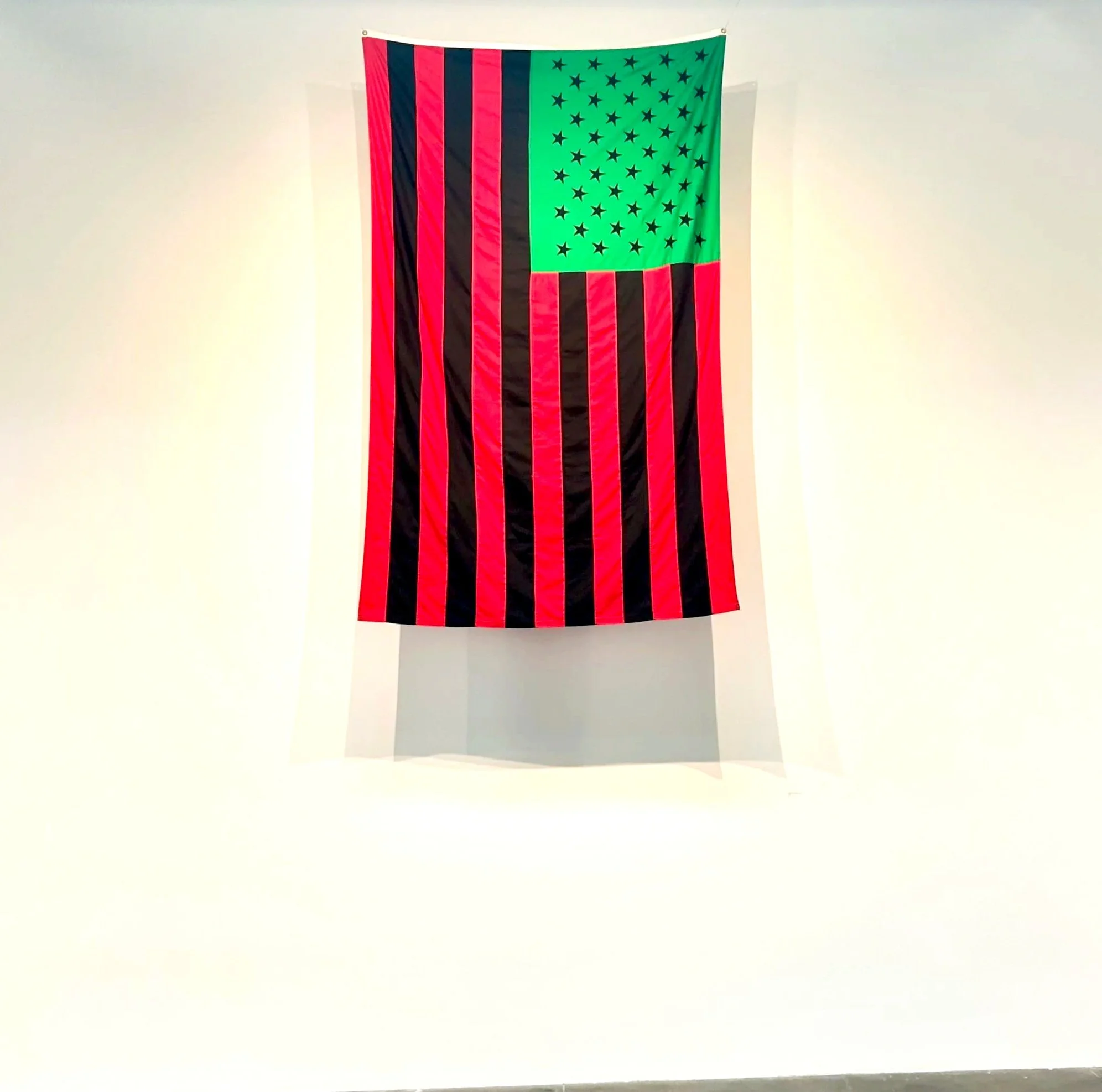
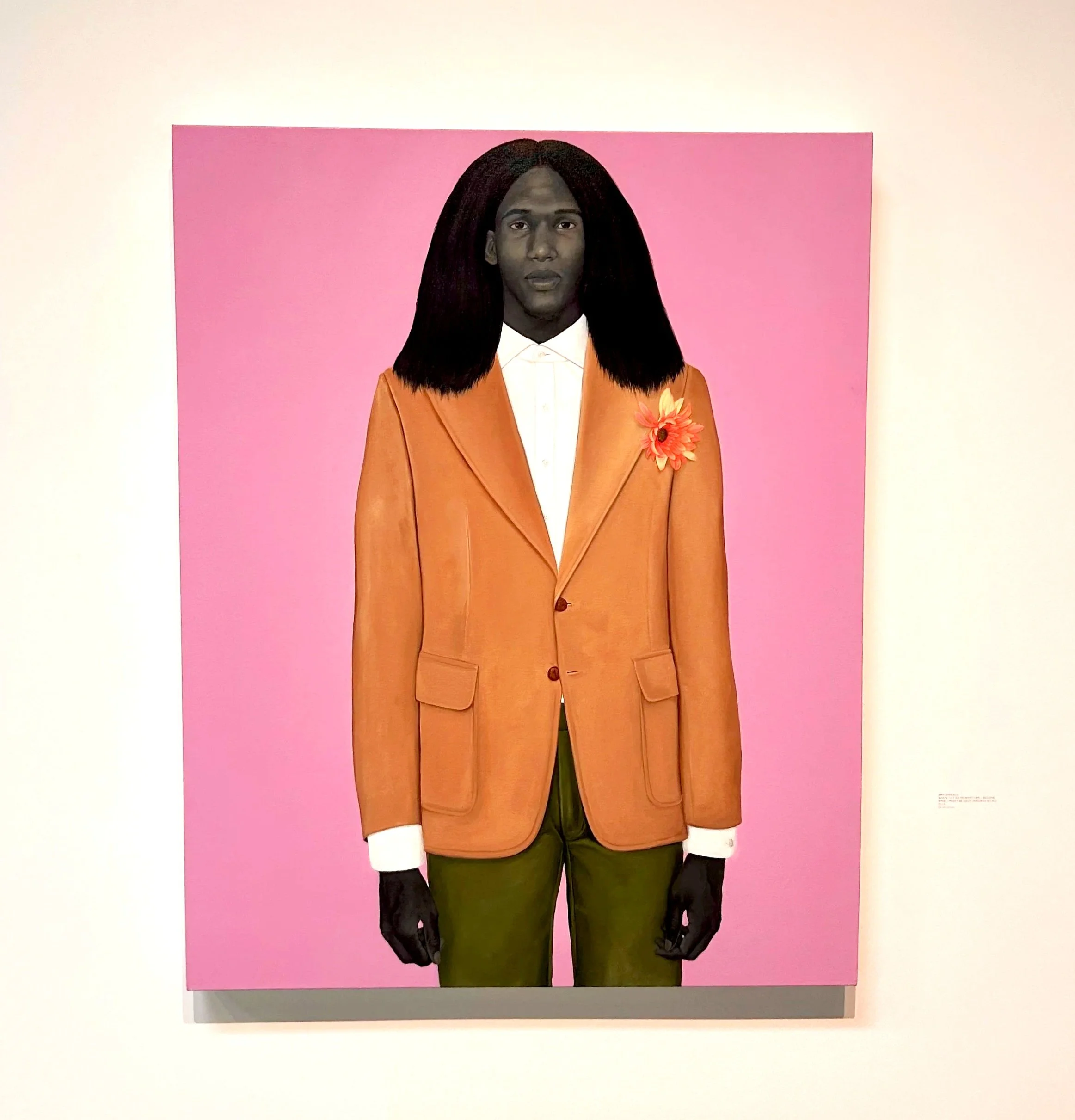
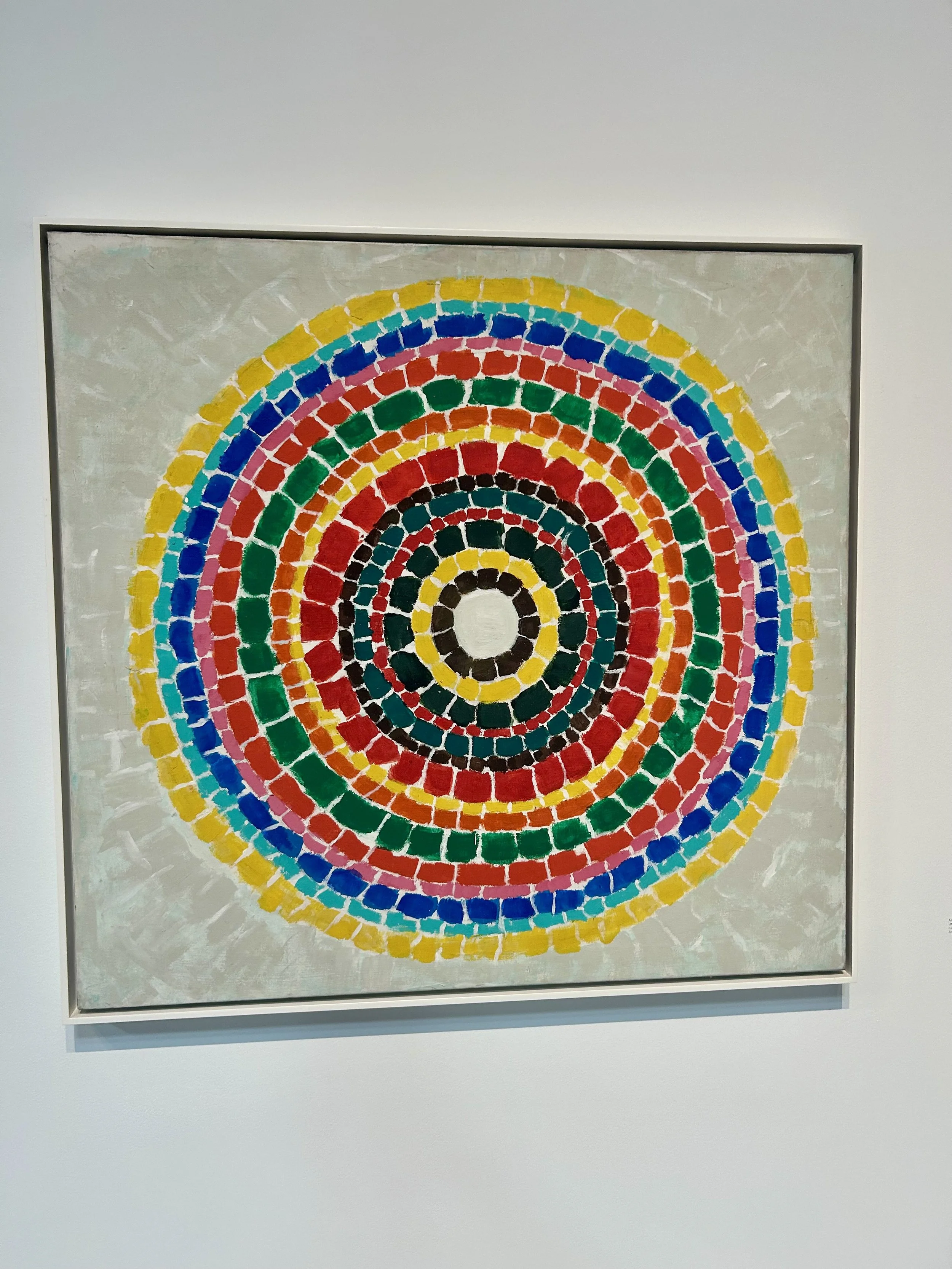
Gallery exhibitions across Los Angeles also offered insight into how Black artists shape contemporary art discourse.
At Hauser & Wirth, the gallery presented selections from Desitiny is a Rose: Eileen Harris Norton Collection within the exhibition, offering a particularly impactful encounter.
The exhibition brought together over 100 works spanning several decades, including pieces by Mark Bradford, David Hammons, Alma Thomas, Hank Willis Thomas, Amy Sherald, and many others who have shaped contemporary art.
The exhibition underscored the important role collectors play in shaping artistic legacies. Norton’s collection reflects both an expansive vision and a sustained commitment to supporting artists who challenge and expand the boundaries of contemporary art.
Viewed alongside the presentations at Frieze, the exhibition highlighted another aspect of the cultural ecosystem: the collector’s archive. While fairs offer a snapshot of the contemporary market, collections like Norton’s reveal the long-term relationships that sustain artists and preserve their work for future generations.
A New Platform: The Inaugural BUTTER Art Fair in Inglewood
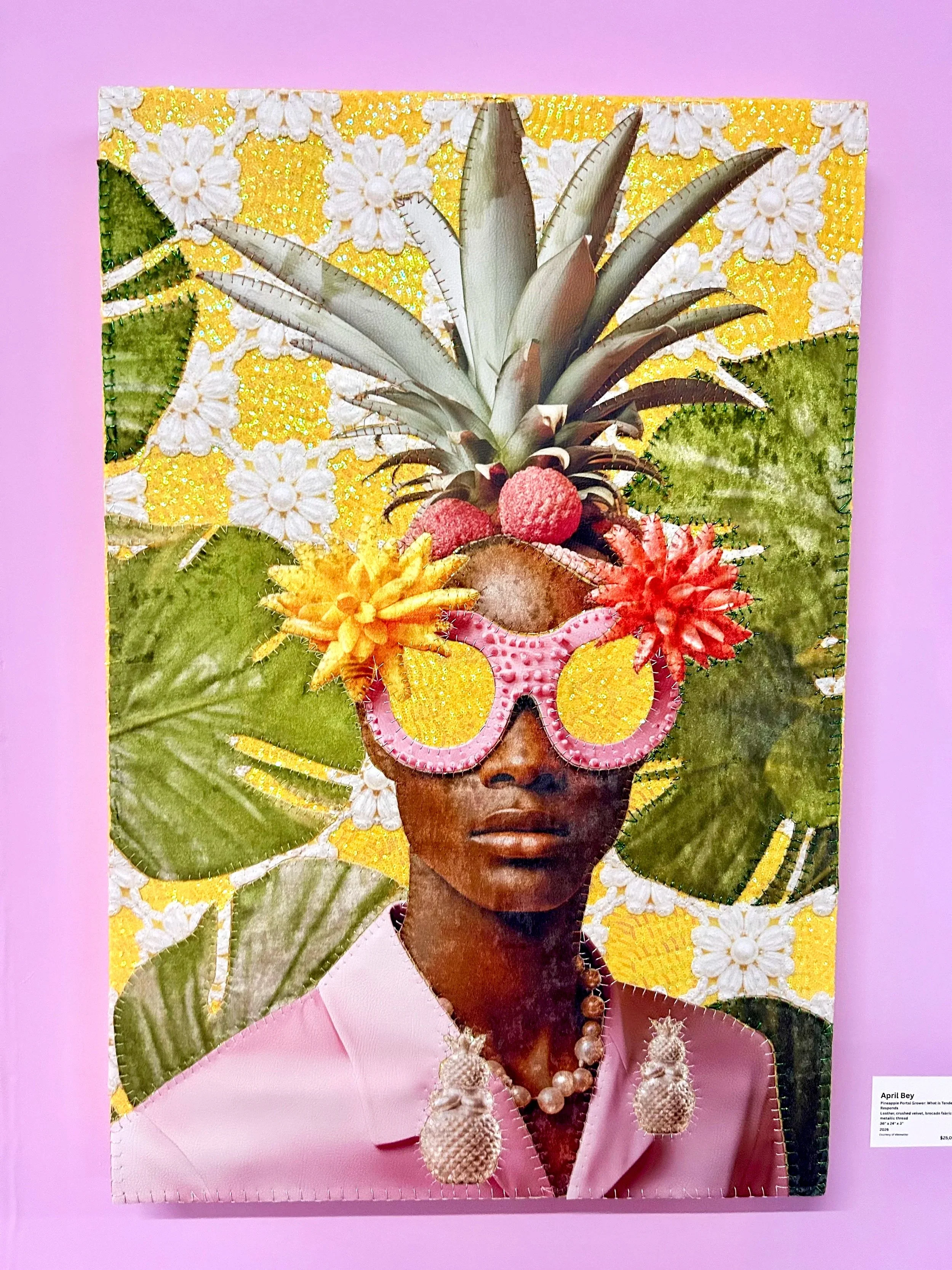
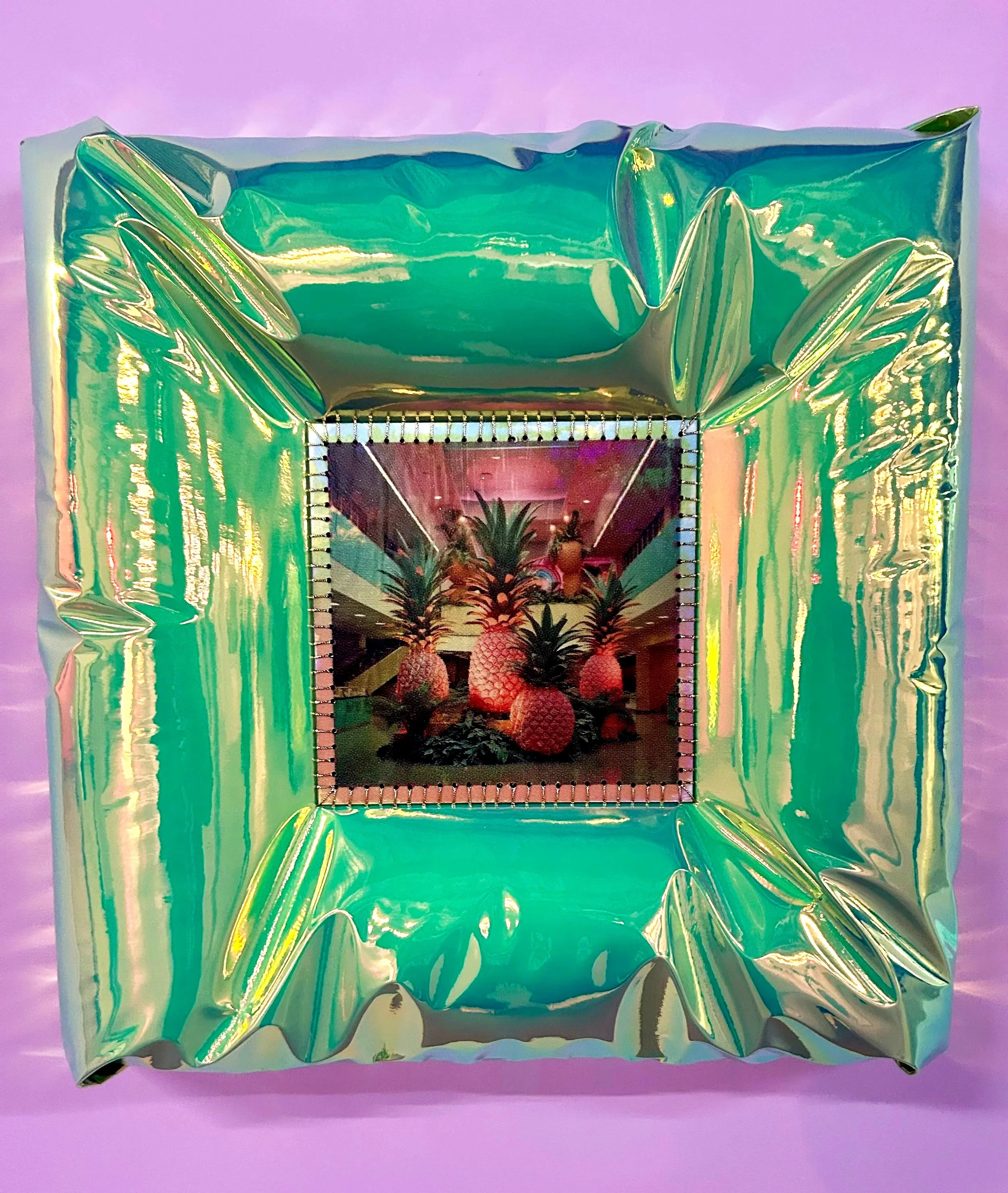
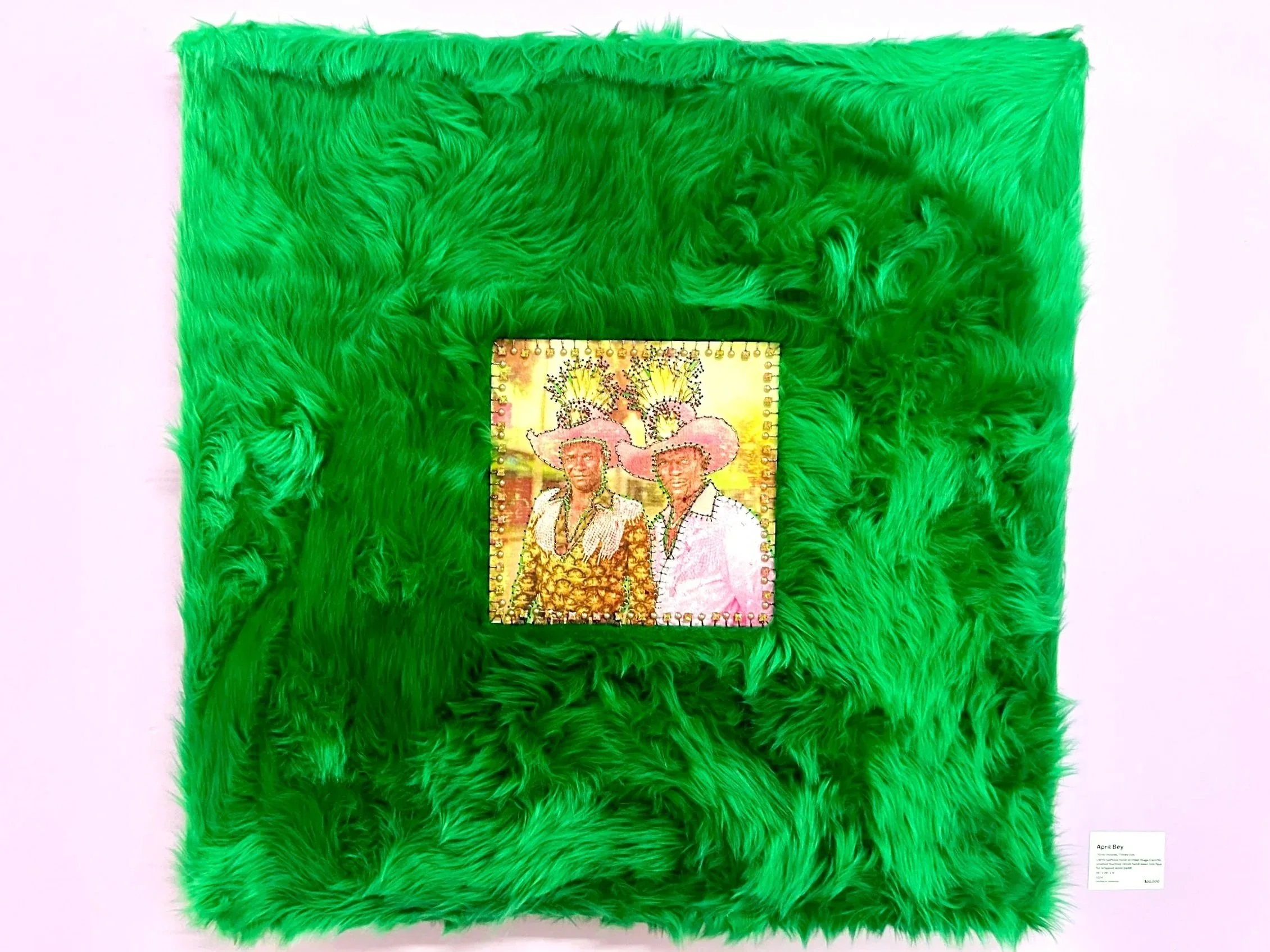
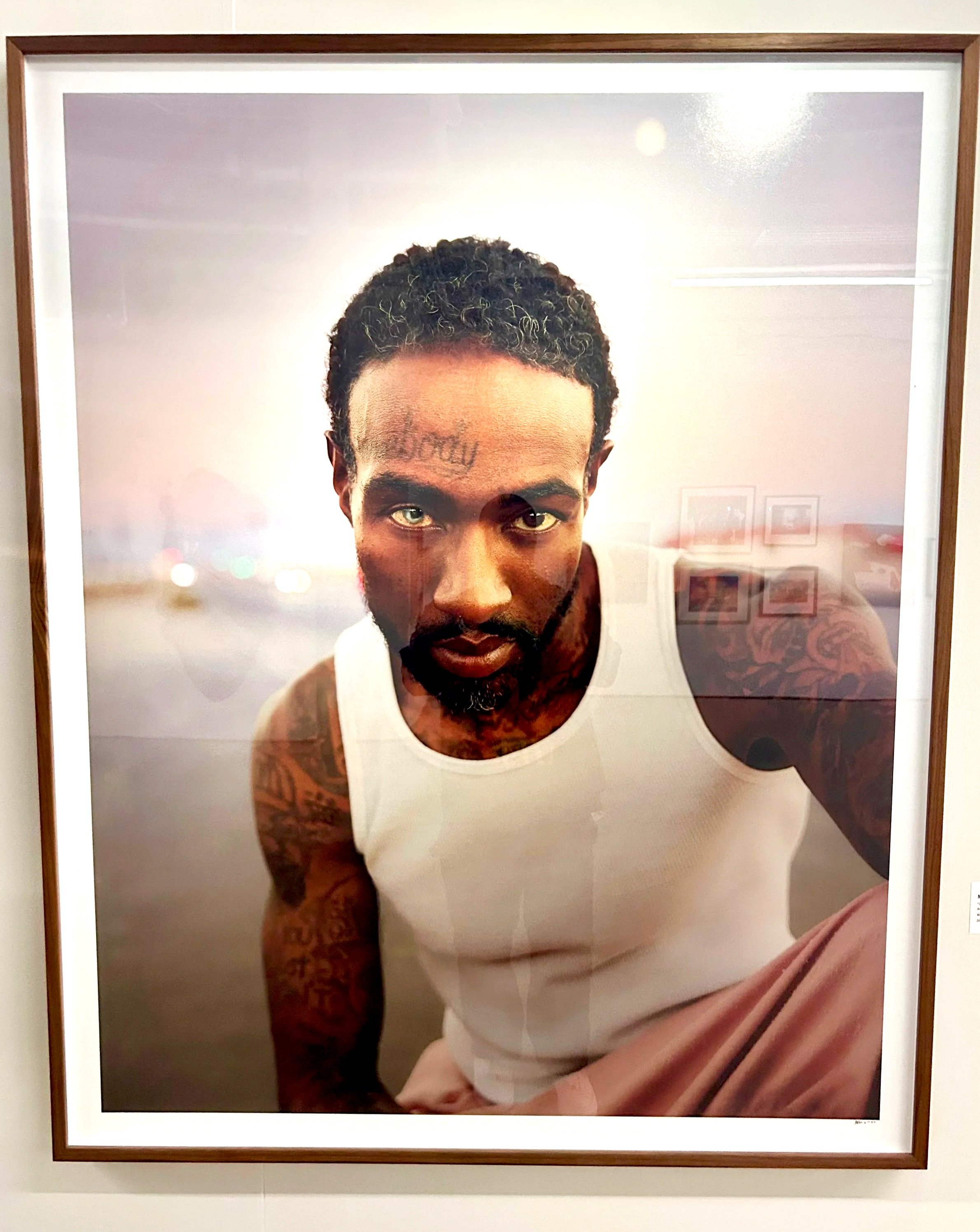
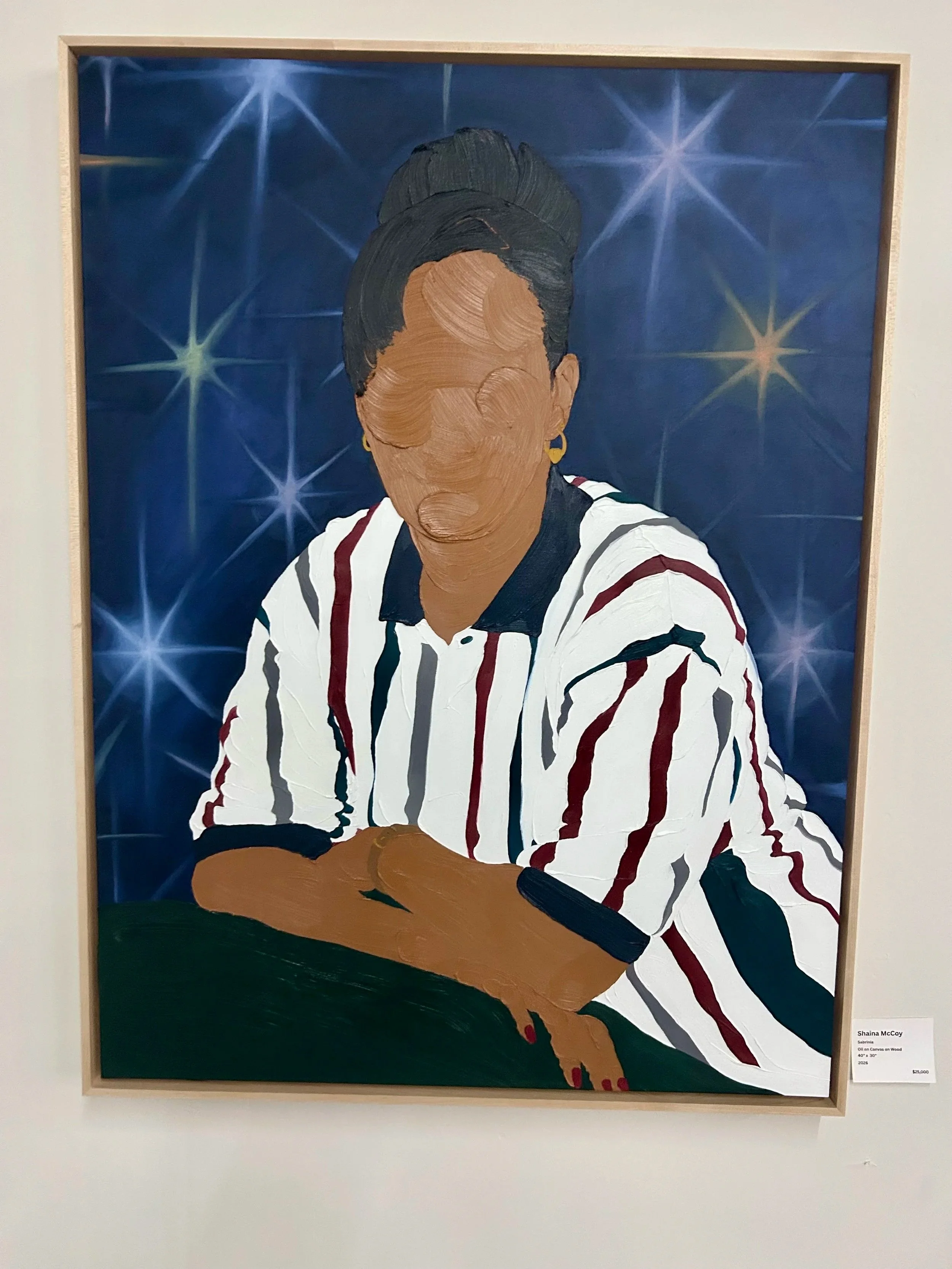
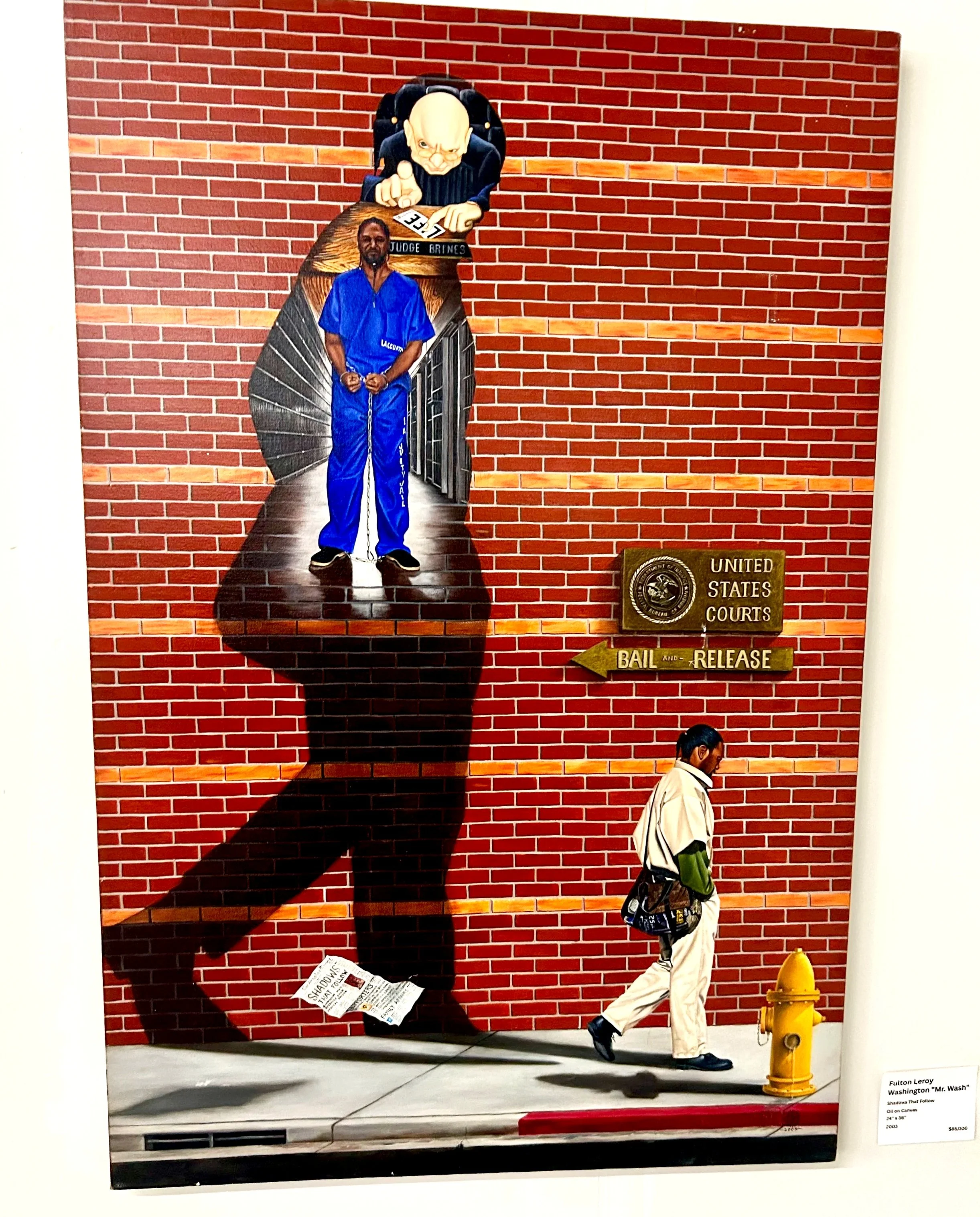
While Frieze represented the global art market and Hauser & Wirth reflected the influence of collectors, the debut of the BUTTER Art Fair underscored the importance of community-centered platforms within Los Angeles’ art ecosystem.
Held in Inglewood, the inaugural fair brought together artists, curators, collectors, and audiences to celebrate and expand access to contemporary Black art. With involvement from figures such as Kimberly Drew, the fair created a space where both emerging and established artists could present their work directly to audiences within a vibrant communal setting.
Black artists including April Bey, Shaina McCoy, and Fulton Leroy Washington presented works that encouraged both seasoned collectors and new audiences to engage with collecting Black art. DJs filled the space with music as visitors moved between booths, while conversations unfolded throughout the fair floor.
BUTTER stood out for its emphasis on accessibility, creating opportunities for new collectors to engage with contemporary art in a welcoming and dynamic environment.
As its inaugural edition, the fair offered a promising glimpse of what could become an important cultural platform within Los Angeles’ evolving art landscape.
Black Art Across the City: A Cultural Constellation
Together, these encounters revealed a broader perspective on LA Art Week.
Black art was not limited to a single location. Instead, it appeared across a constellation of spaces throughout the city, including international art fairs, gallery exhibitions, and community-driven platforms.
Each space revealed a distinct aspect of the cultural ecosystem: the global art market, the collector’s archive, and the community platform.
Together, they illustrated a city where Black artists, curators, collectors, and audiences continue to expand how contemporary art is presented, experienced, and collected.
For NOMMO Cultural Strategies, these Field Notes reflect a dynamic Los Angeles, where artistic possibility continues to emerge across multiple cultural landscapes.
If this year’s Art Week is any indication, the story of Black art in Los Angeles is still unfolding.
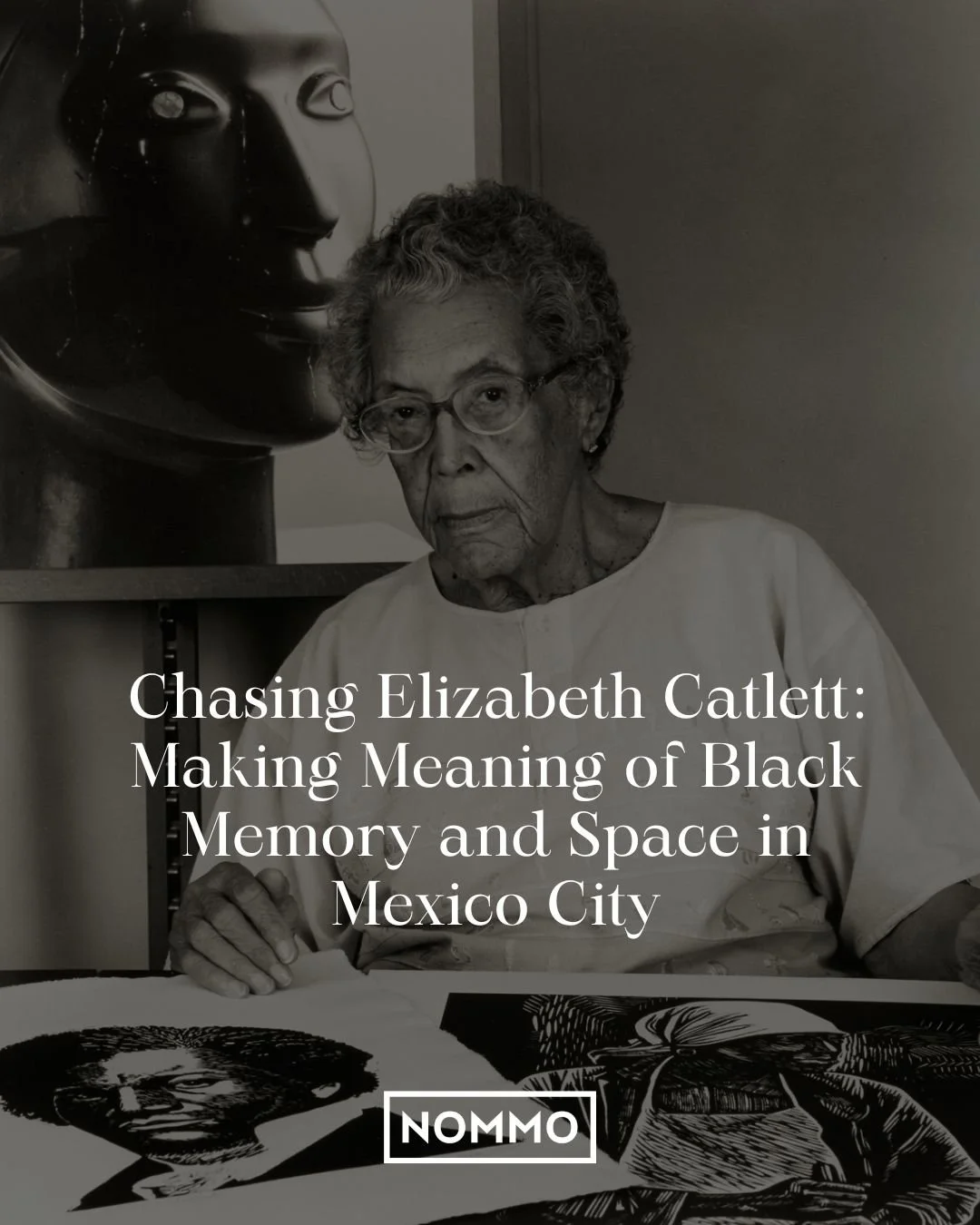
Chasing Elizabeth Catlett: Making Meaning of Black Memory and Space in Mexico City
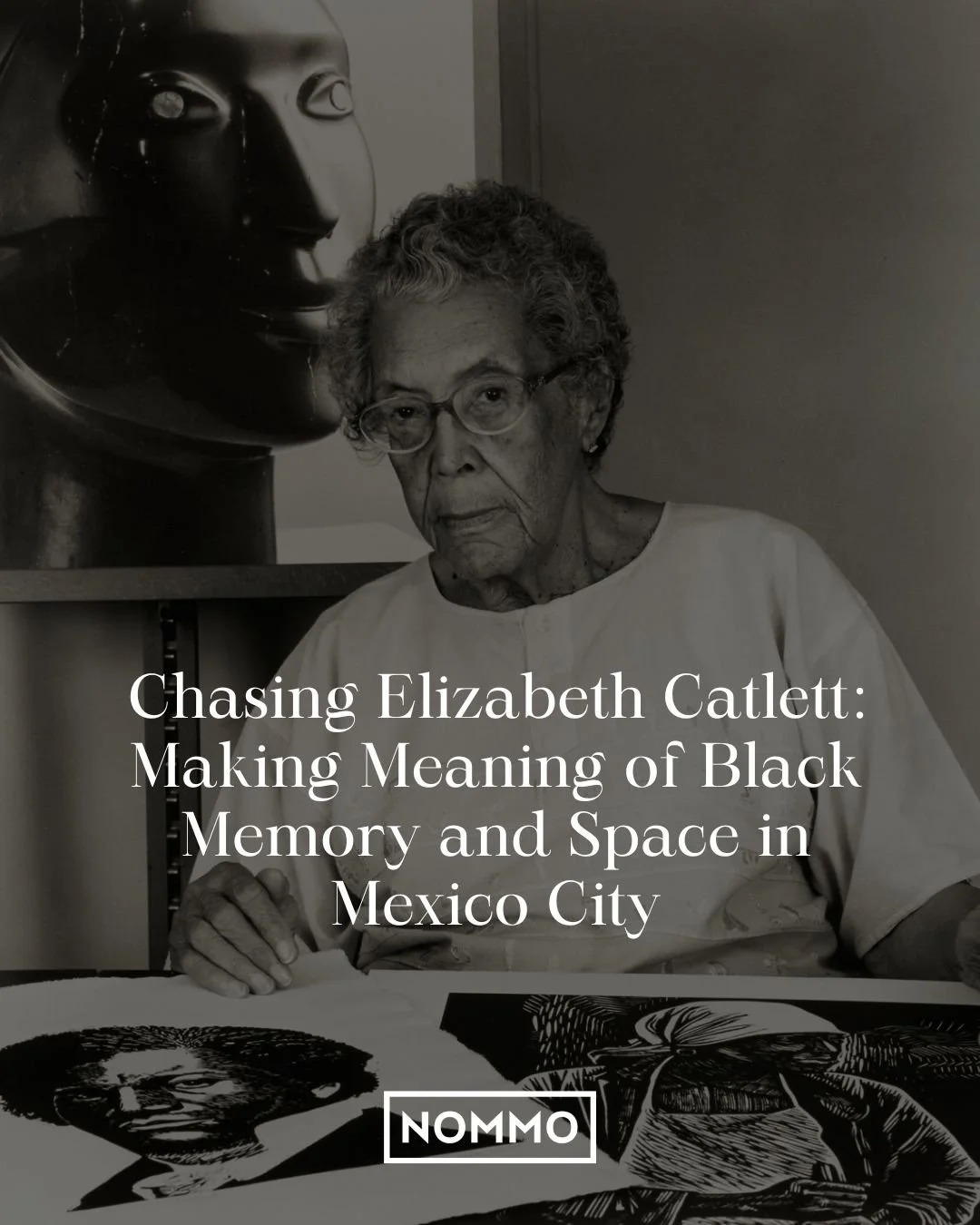
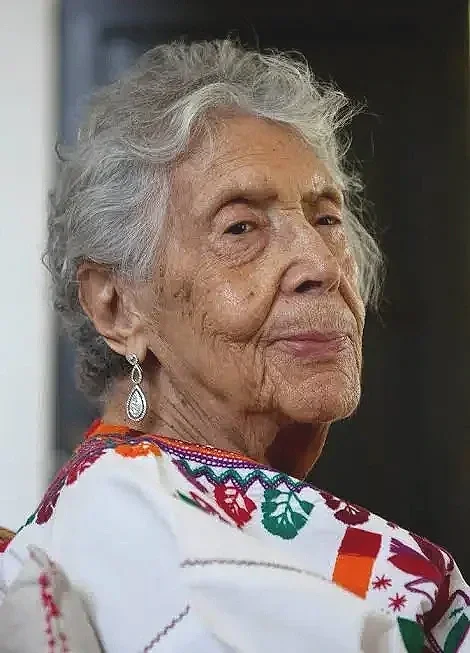
Elizabeth Catlett via New York Times.
Chasing Elizabeth Catlett.
In 1946, renowned Black visual artist Elizabeth Catlett moved to Mexico to enhance her work at the Taller de Gráfica Popular (TGP), a printmaking collective focused on labor movements and social justice. Supported by a Julius Rosenwald Foundation fellowship, Catlett immersed herself in TGP's ethos, viewing art as a means of collective struggle. Mexico soon became her home, and she became a Mexican citizen in 1962.
Her time in Mexico deepened her engagement with themes that were controversial in the U.S. during McCarthyism and the early Civil Rights era, leading the government to label her an “Undesirable Alien” and prohibit her return until 1971.
Eighty years later, in 2026, Tyree Boyd-Pates, founder of NOMMO Cultural Strategies and Freedom School Online, traveled to Mexico City with support from the Black Genius Foundation to honor Catlett and explore an essential question: how does Black memory travel, settle, and take shape beyond U.S. borders?
Tyree's journey aimed to reimagine Black memory and space in a hemispheric context, celebrating Catlett and the legacy of Black artists seeking refuge beyond American constraints.
Inside the Biblioteca Vasconcelos: Looking for Black History
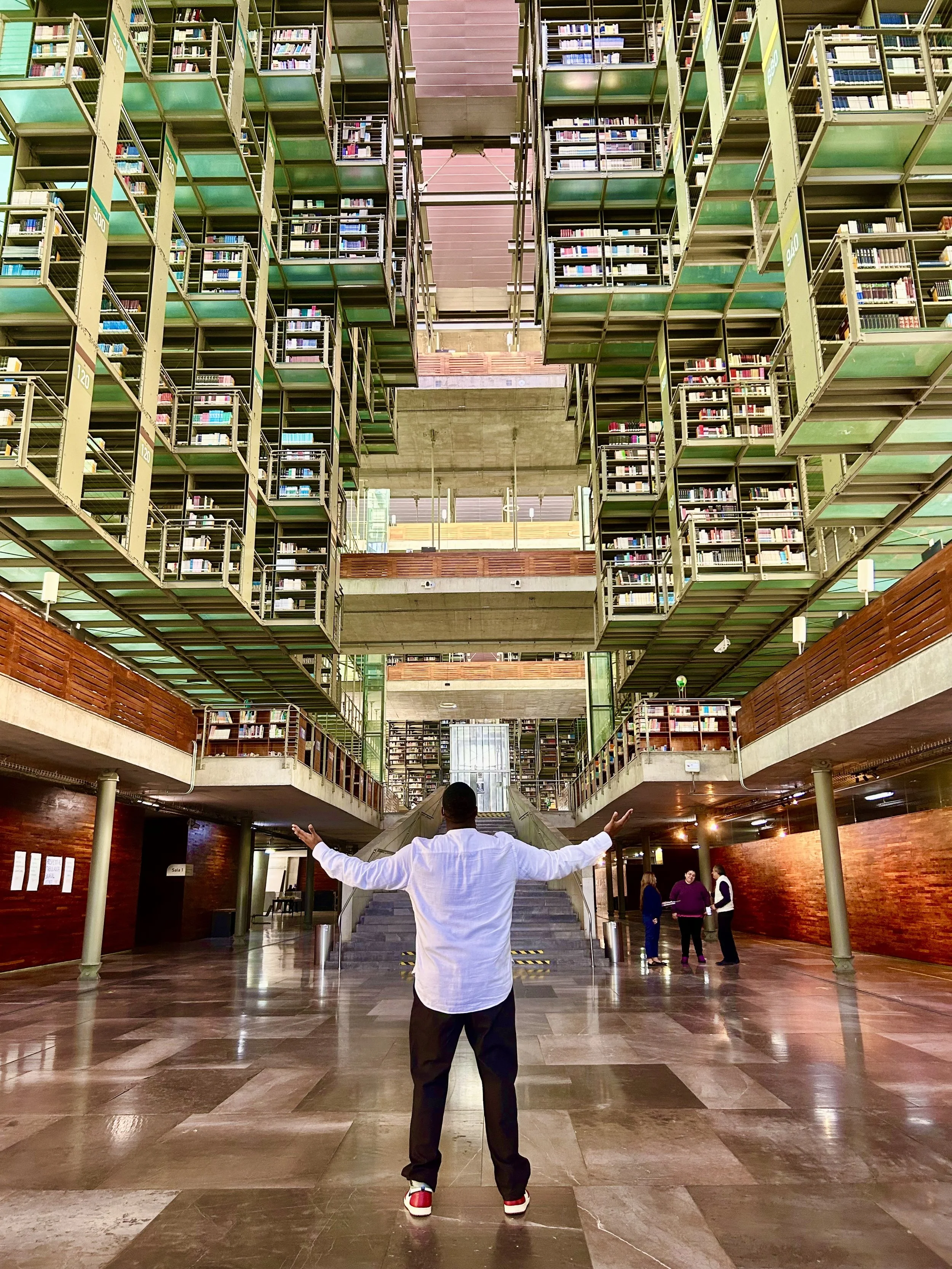
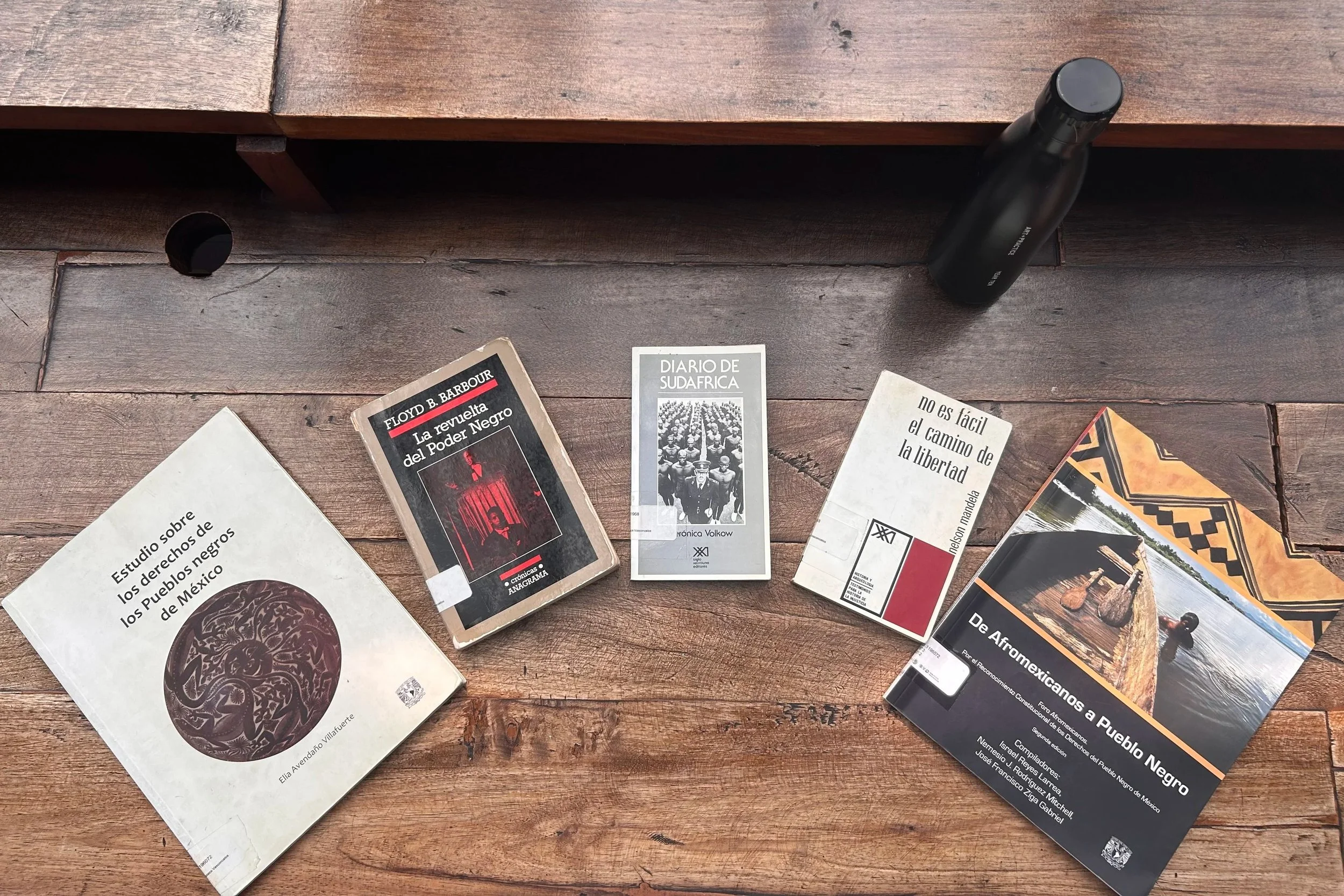
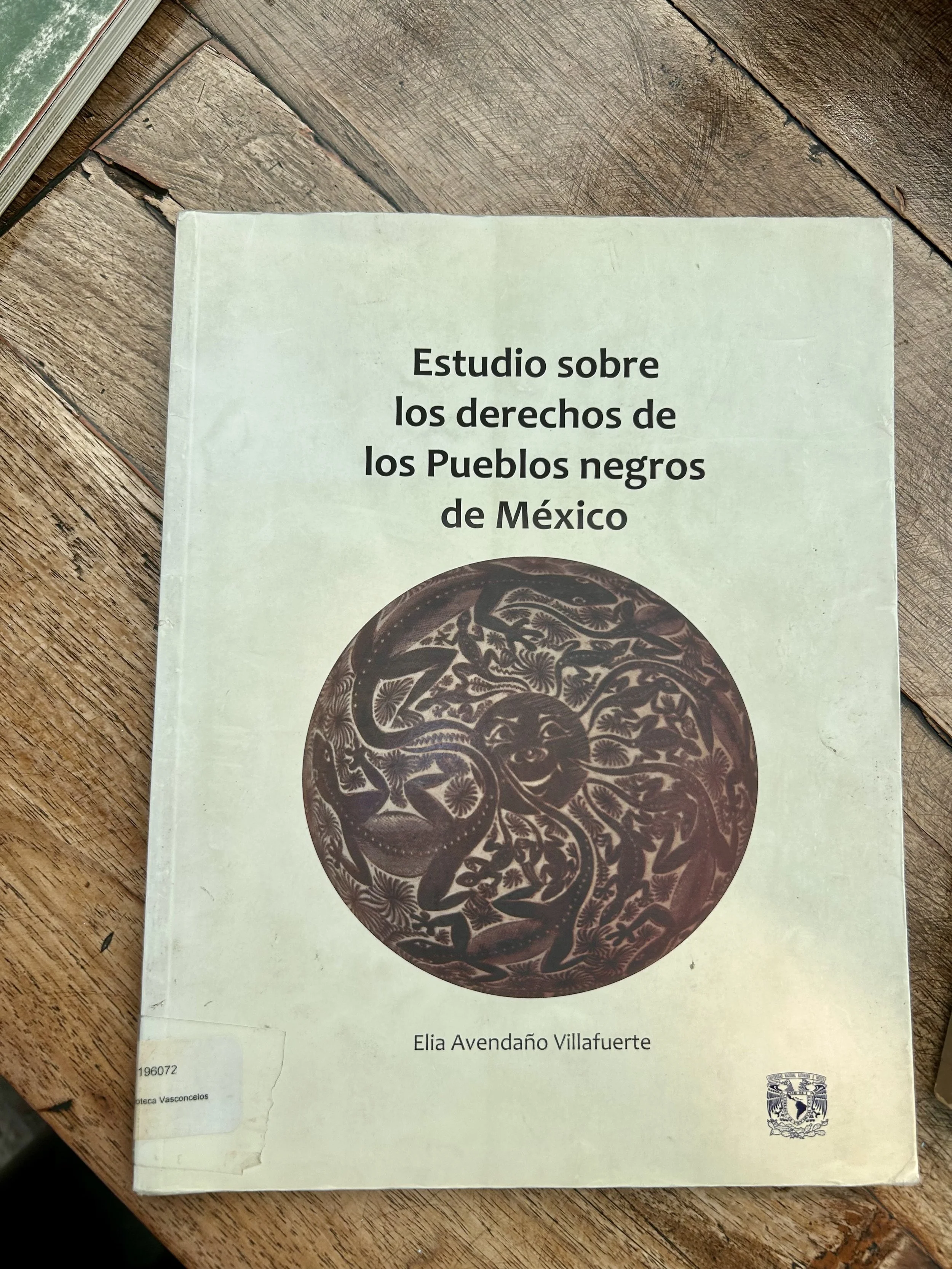
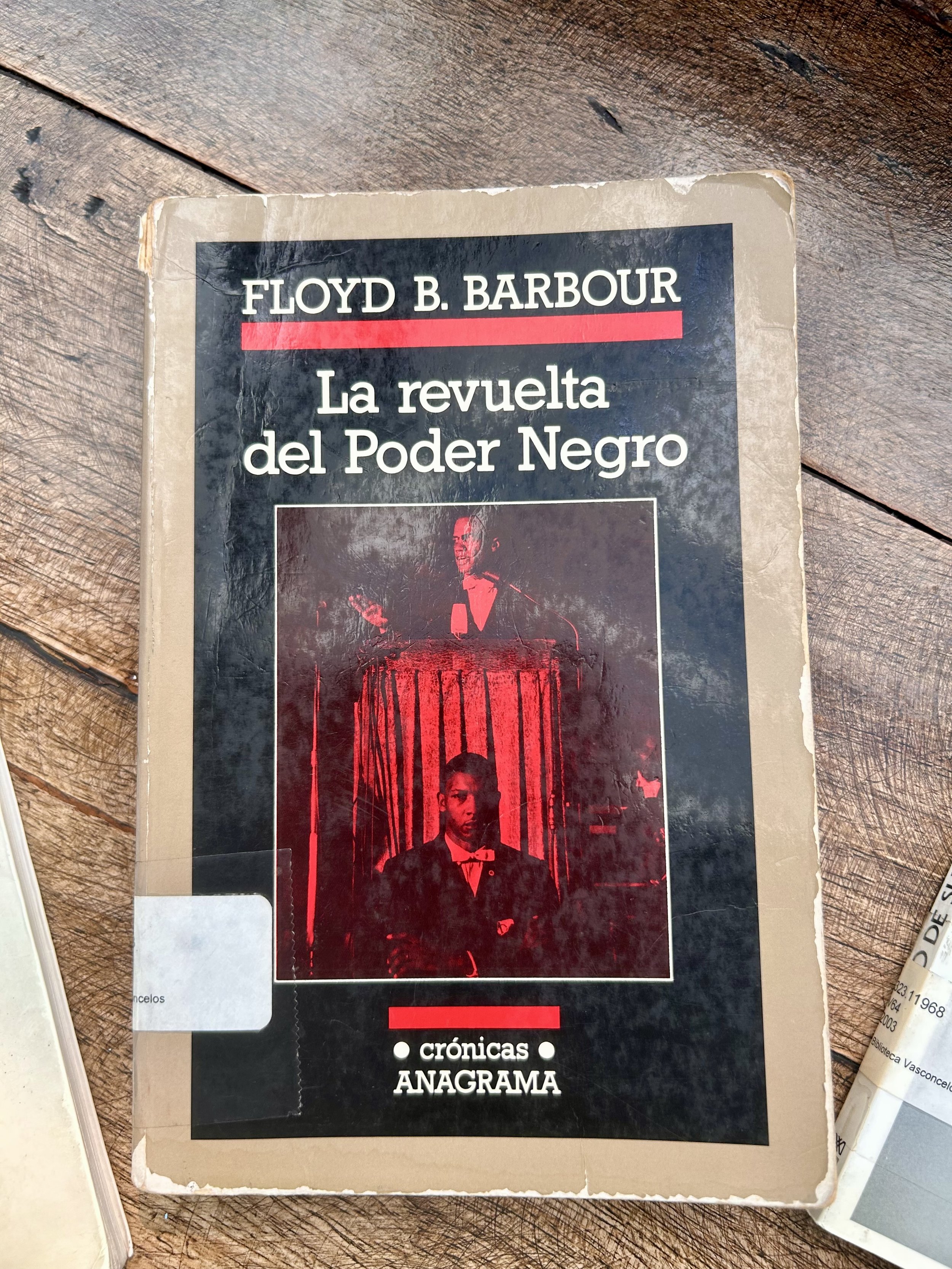
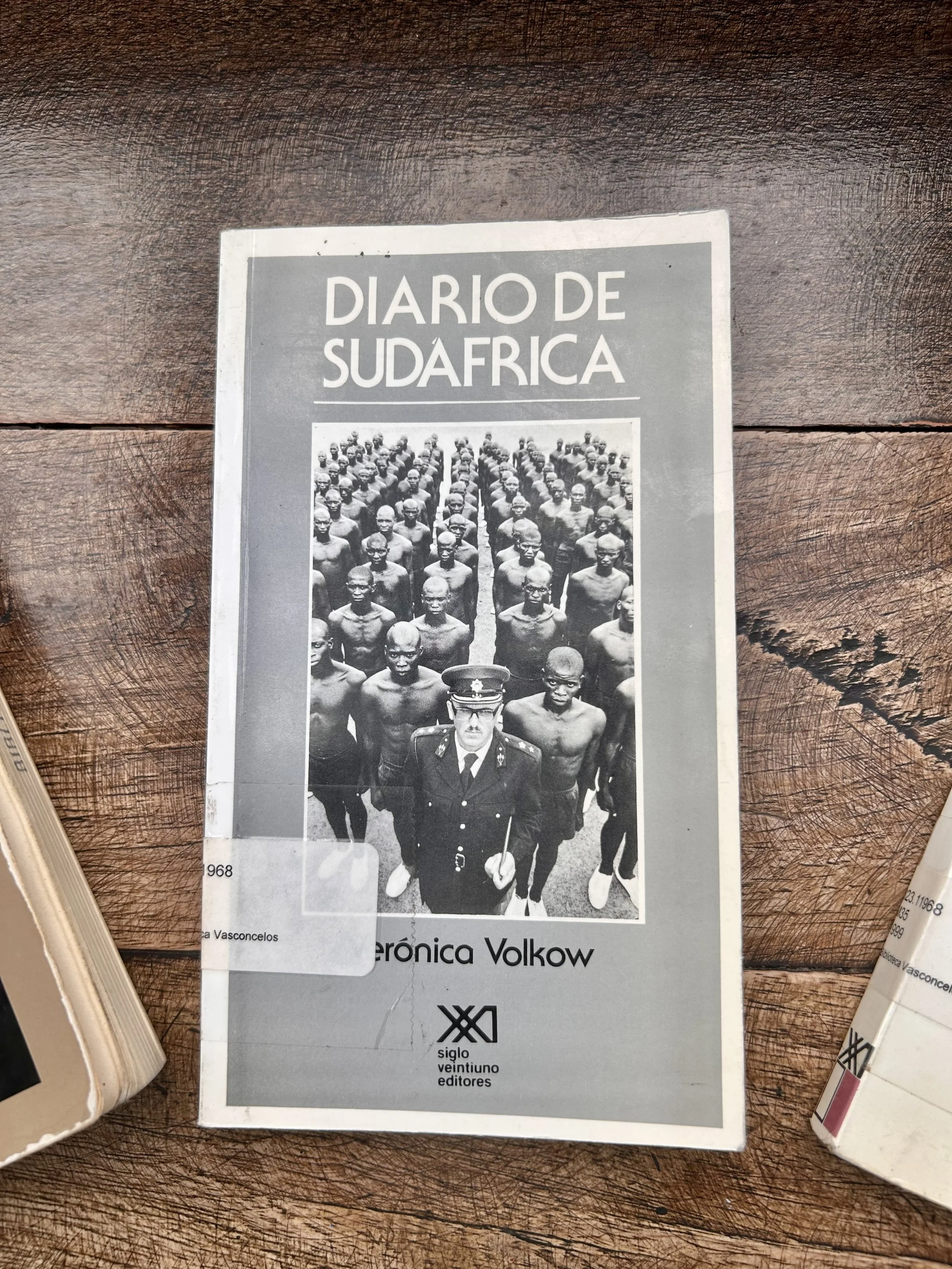
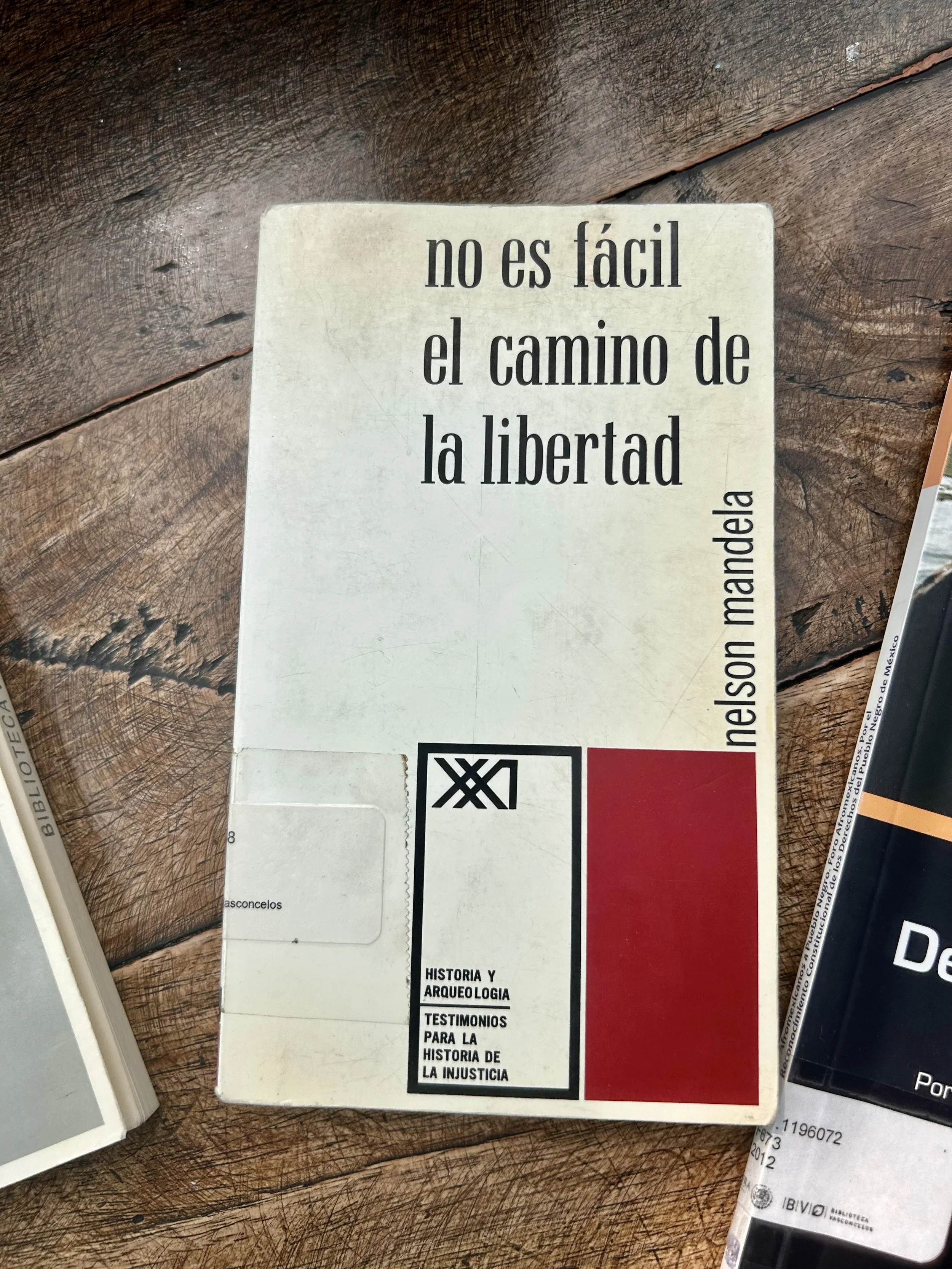
NOMMO’s Founder and Chief Curator, Tyree Boyd-Pates doing research at Mexico City’s Biblioteca Vasconcelos (2026)
The purpose of NOMMO’s trip was to examine how the African Diaspora is recognized or obscured across the Americas, particularly within cultural institutions.
In exploring African-descended histories, we focused on three key questions that reveal the complexities of cultural engagement. We assessed how 1) different countries confront their historical connections to Africa, 2) the representation of Black presence in the arts—both celebrated and often erased—and 3) the vibrant opportunities for Black artists and curators in a transnational context. Each inquiry emphasizes the need to recognize and amplify Black voices within the global arts community.
Upon arriving in Mexico City, we immersed ourselves in its rich culture, which has attracted artists, intellectuals, and political exiles for generations. A highlight of our research was visiting the Biblioteca Vasconcelos, a stunning 409,000-square-foot library that serves as both a civic monument and a haven for book lovers.
While exploring the library's collection, we sought to uncover resources on Black and Afro-Diasporic history, which led us to three significant themes. We found books that 1) examined the intricate relationship between Indigenous communities and Afro-Mexican descendants, 2) uncovered Mexico’s intellectual ties to South Africa’s liberation struggle, and 3) examined writings on Nelson Mandela and the global Black freedom movement, illustrating the interconnectedness of these histories and the themes of resilience and resistance.
Although we found a limited selection of books on Black history in the Americas, NOMMO interpreted this scarcity as a sign that Black history in Mexico is dispersed across various movements and communities, rather than centralized in libraries. This realization shifted our perspective: Black history extends beyond city archives, underscoring the need to trace it to the journeys of the artists who’ve carried it, like Catlett - especially, in her study and interactions with Mexican artists of her day, like Rivera and Kahlo.
Rivera, Kahlo, Catlett: A Triangular Dialogue of Black-Brown Artistic Solidarity
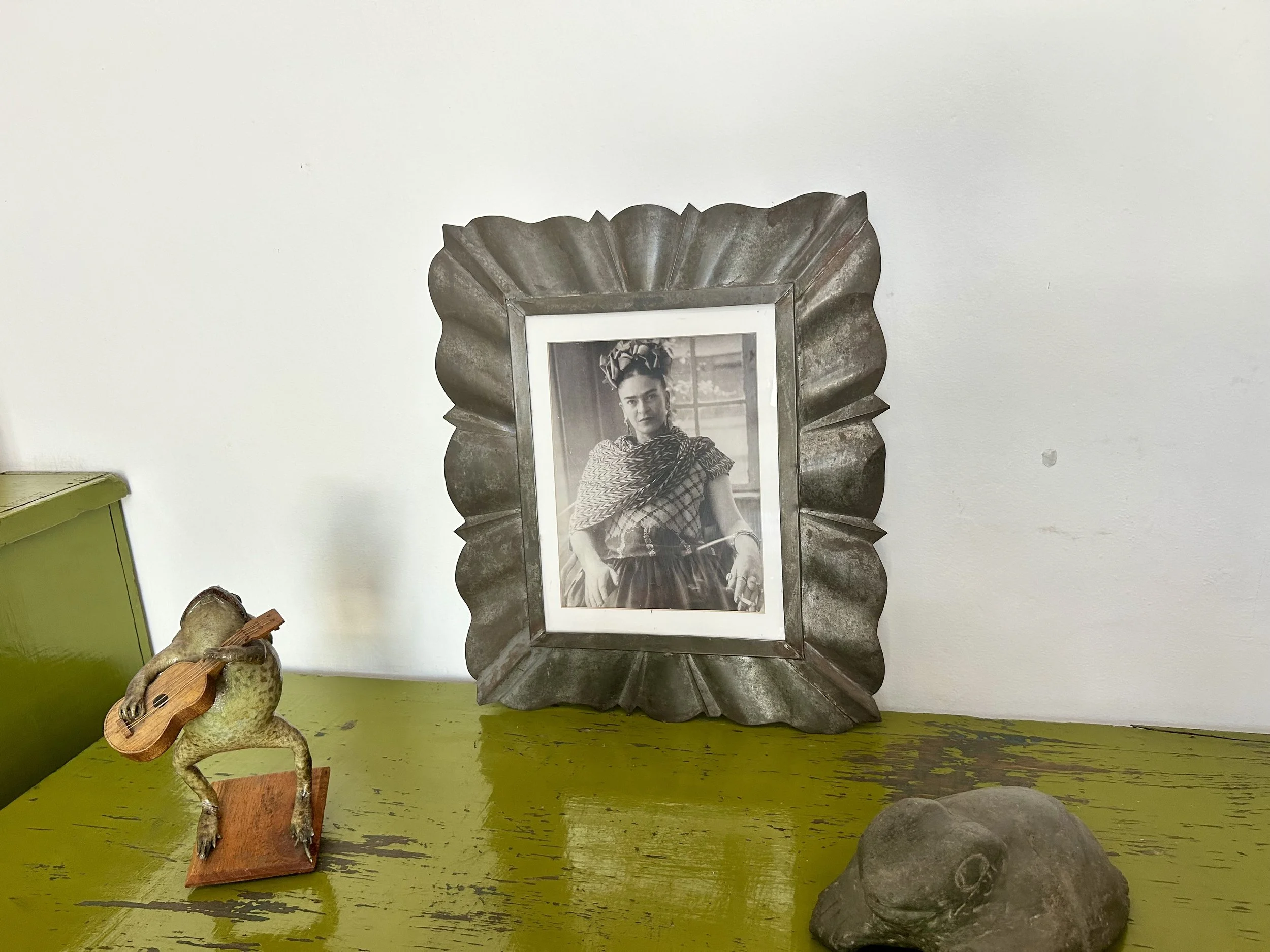
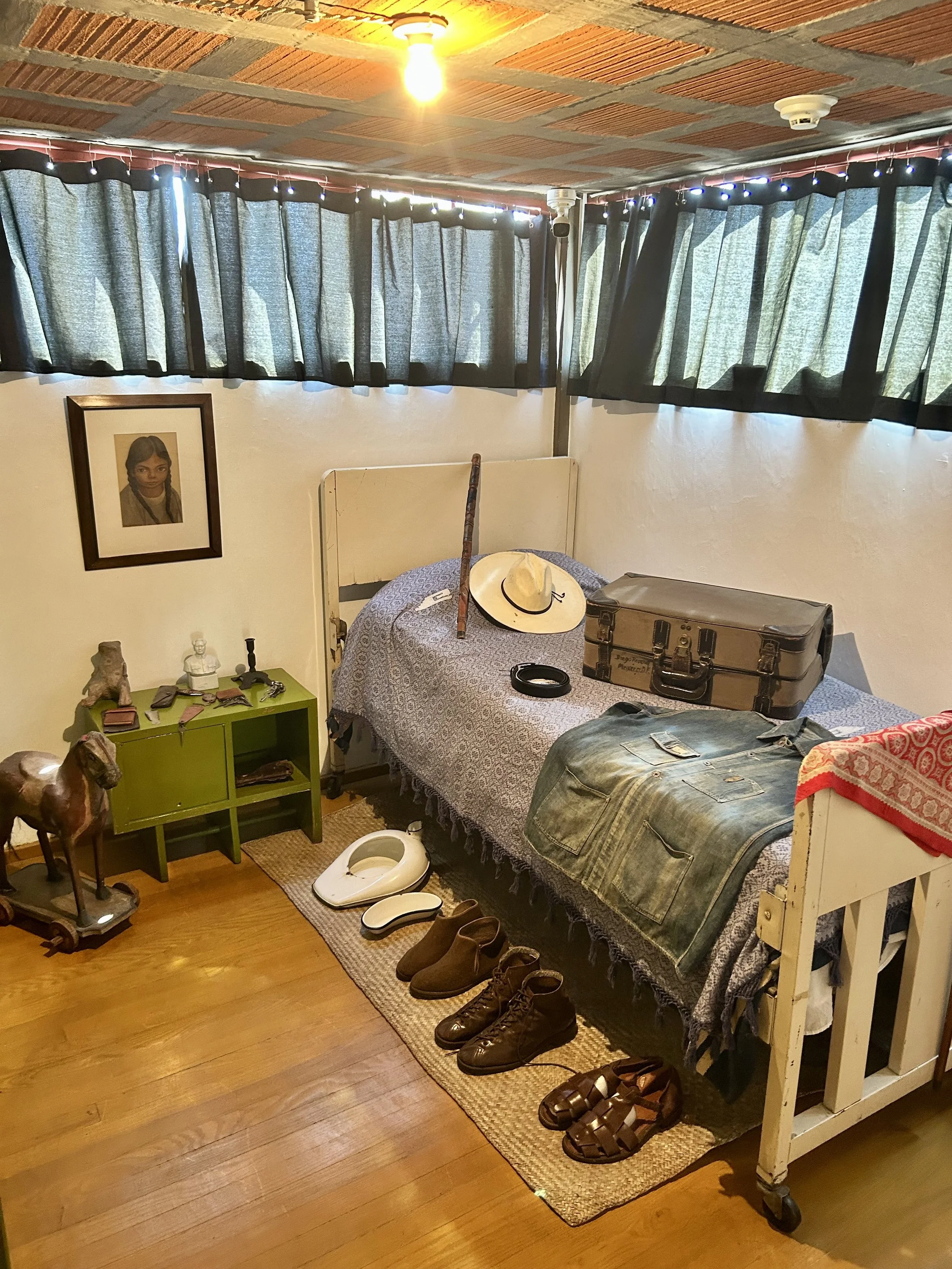
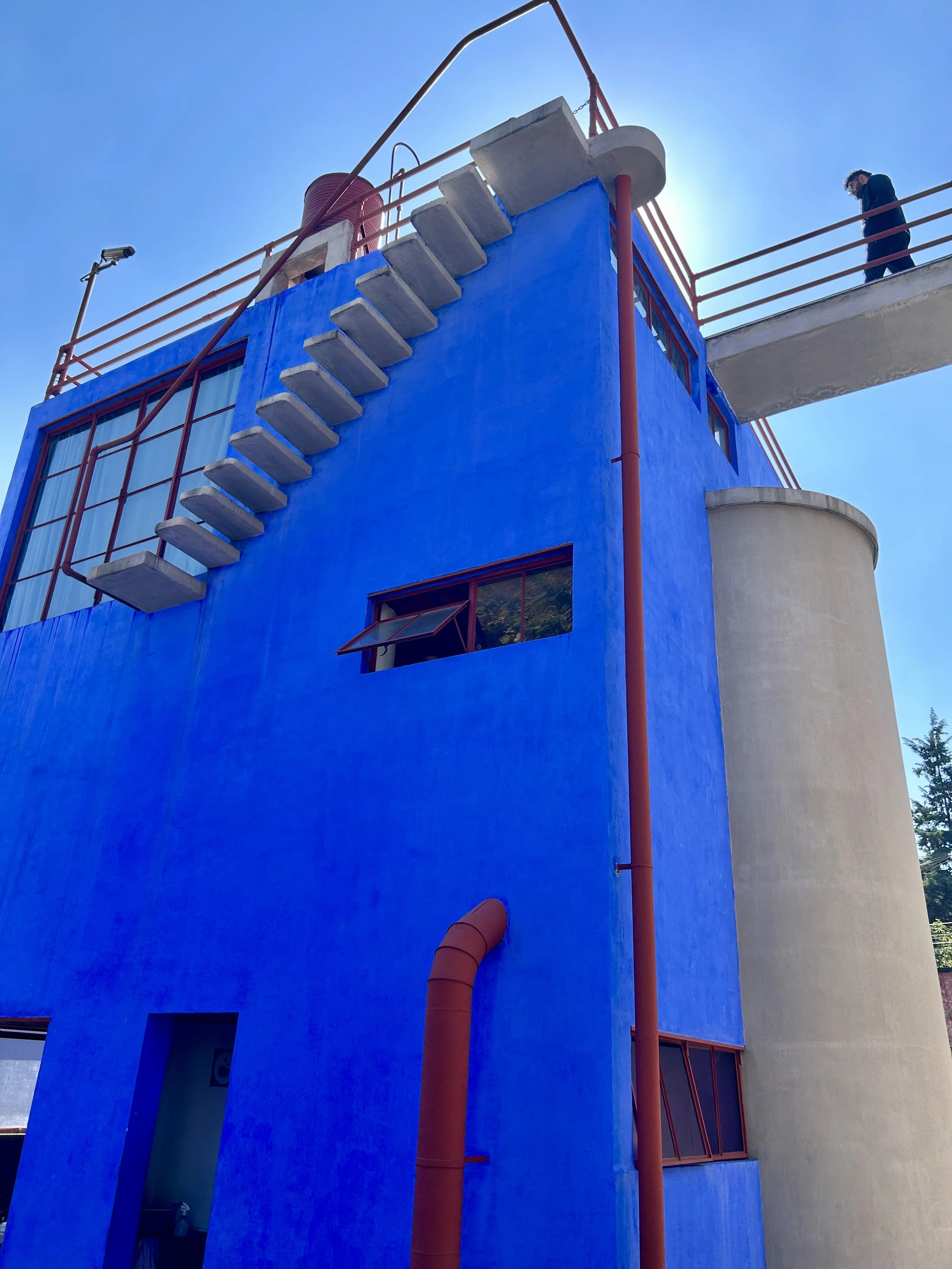
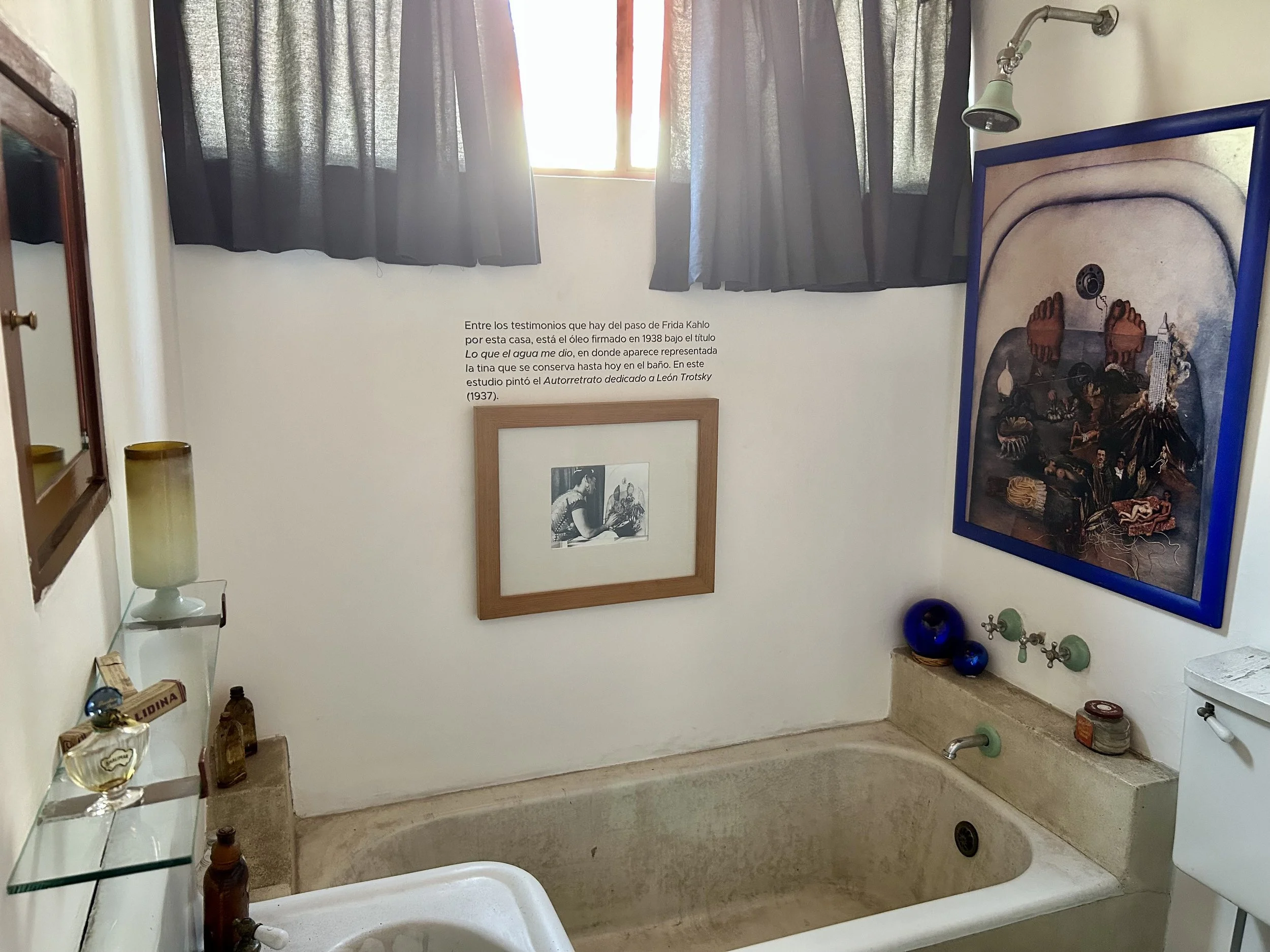
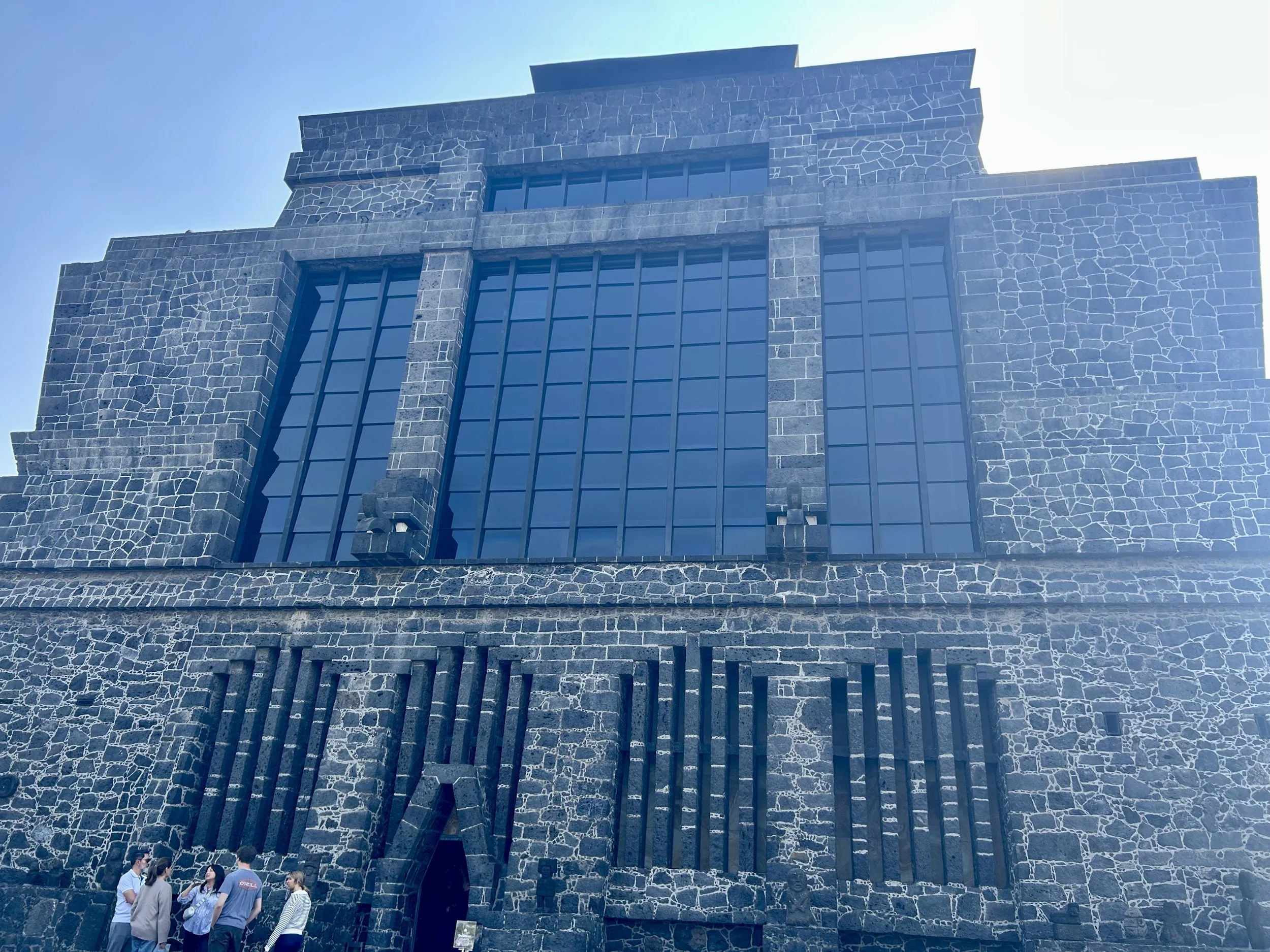
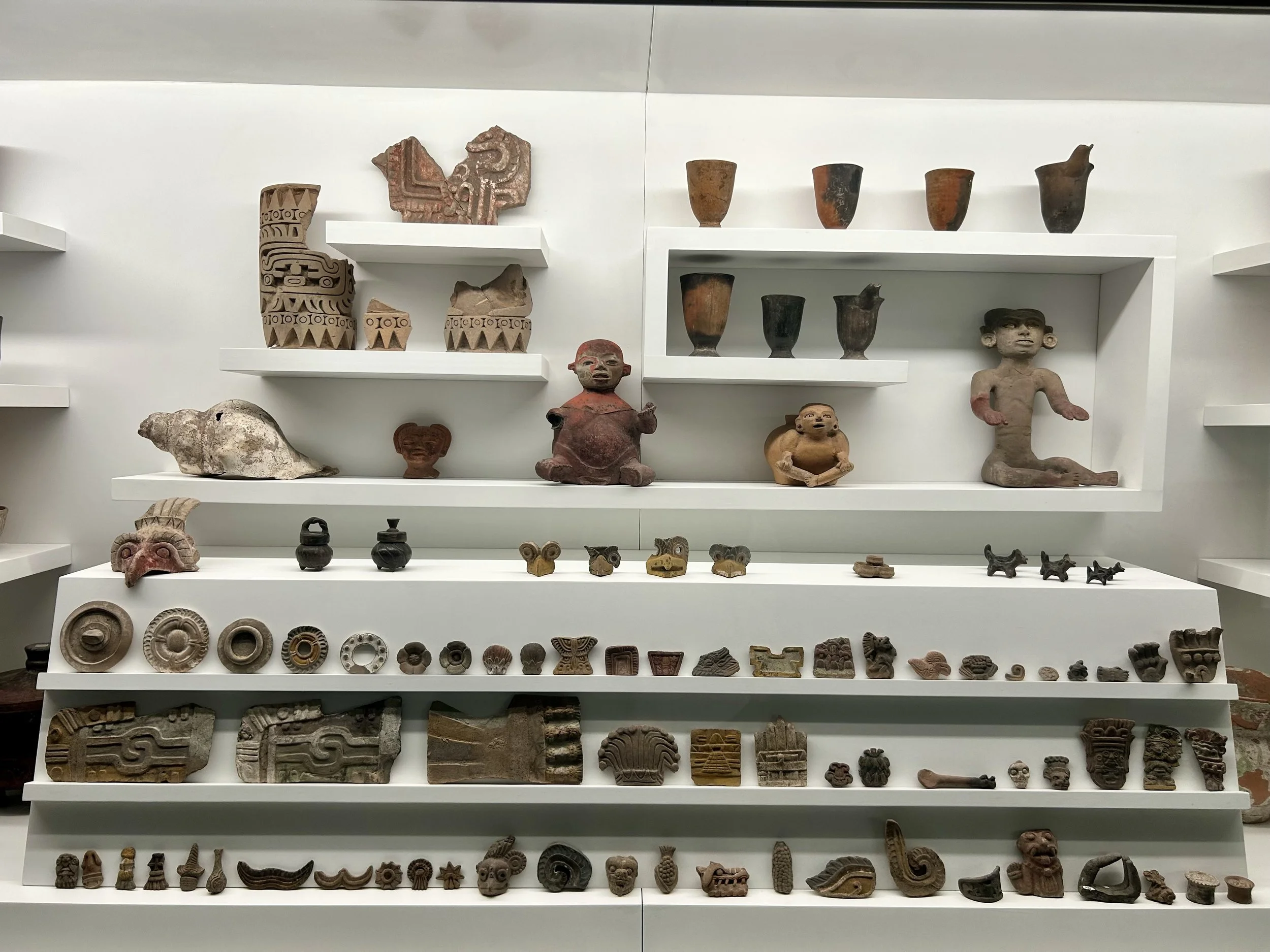
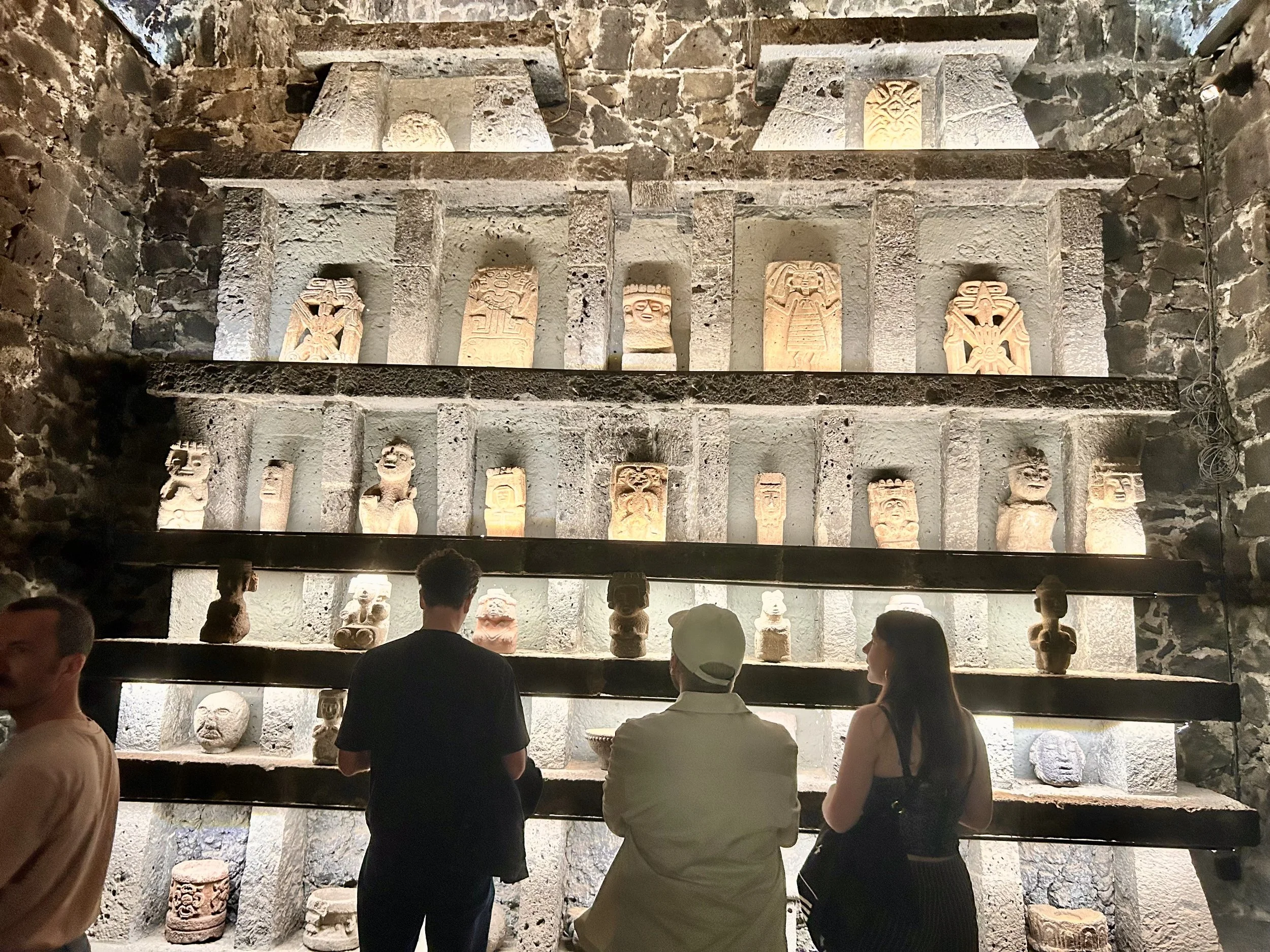
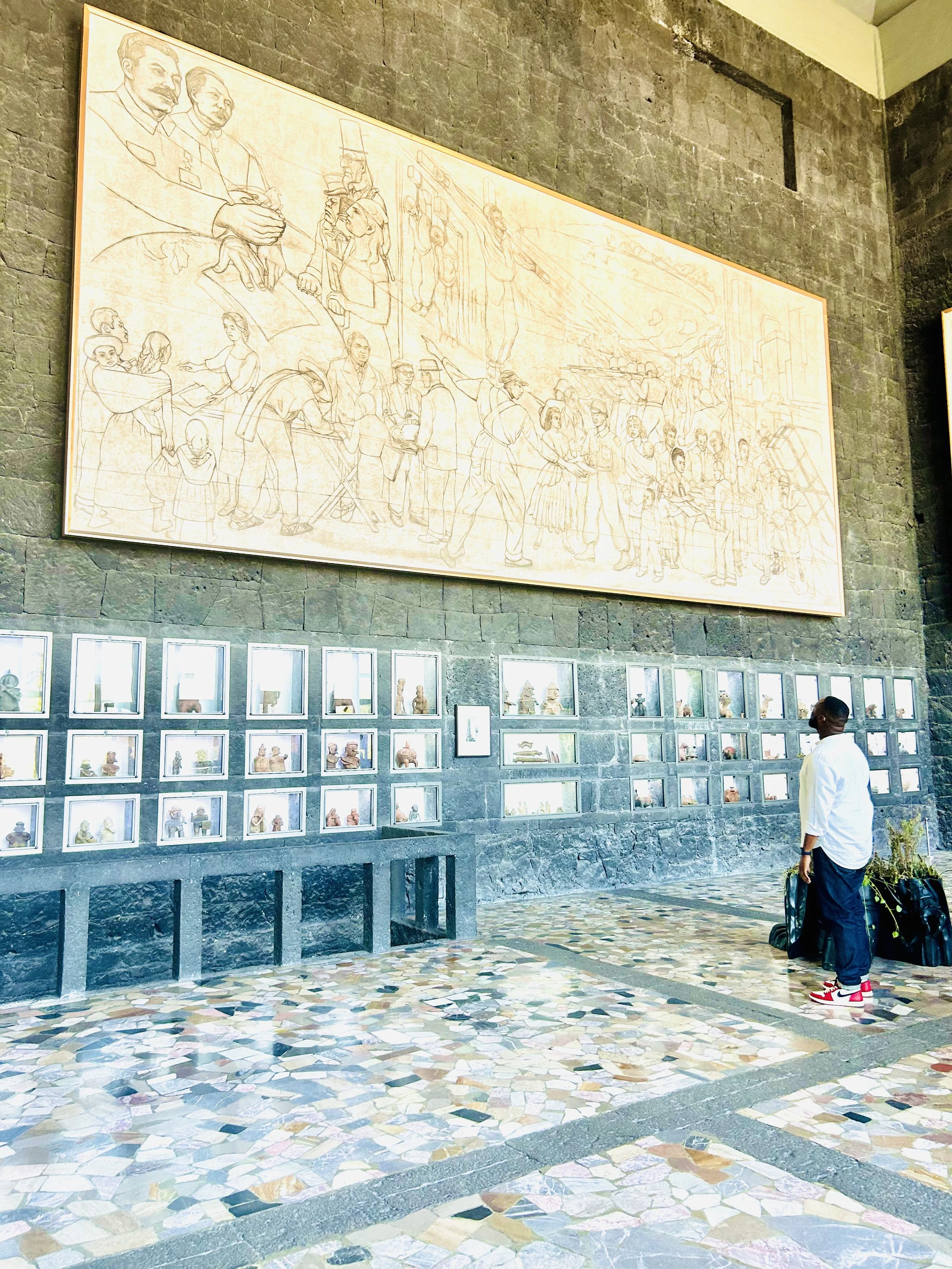
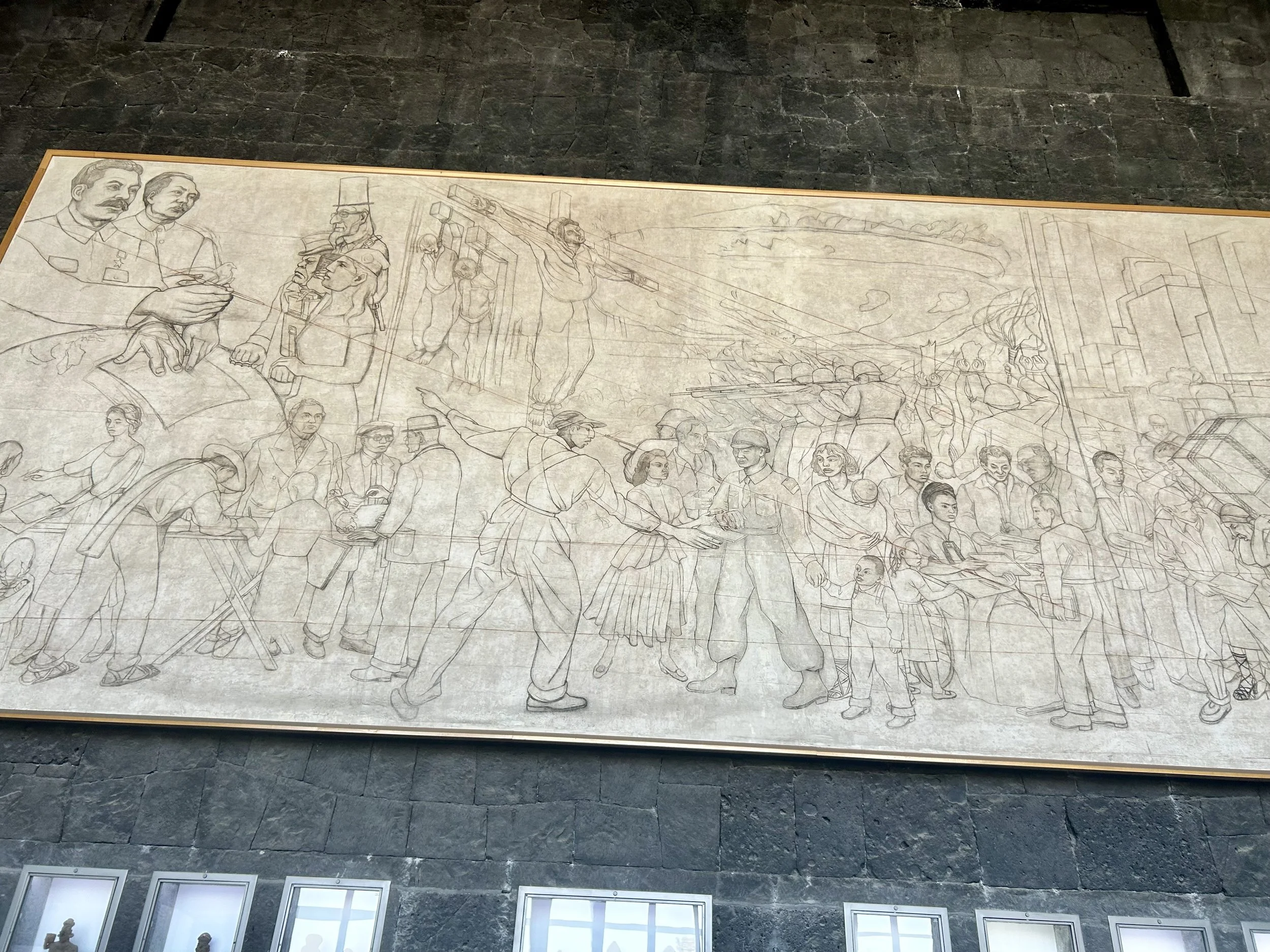
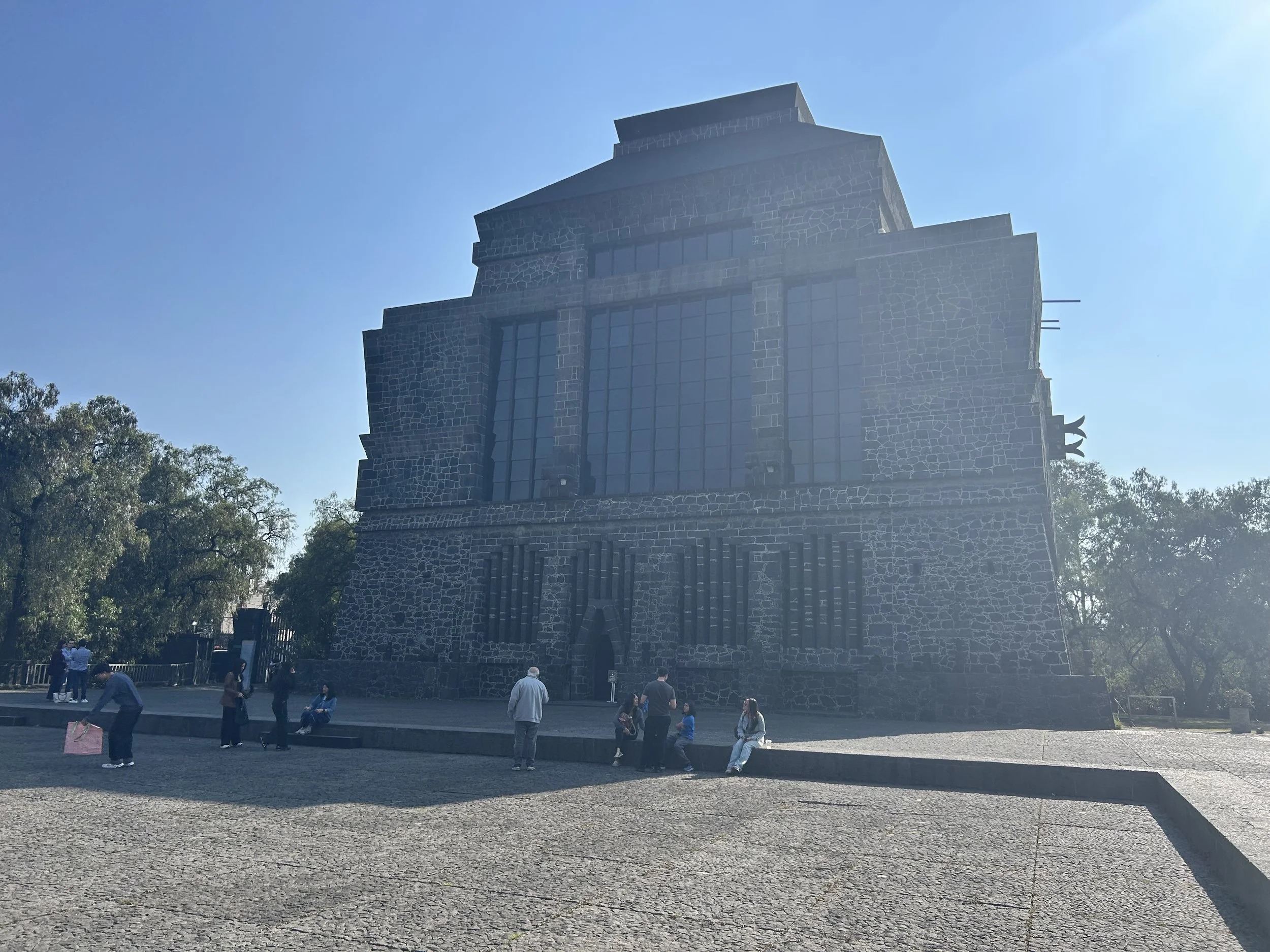
Assorted Images at Mexico City’s Casa Azul and the Anahuacalli Museum (2026).
Upon arrival, every viewer is made aware that Mexico City's artistic landscape is profoundly shaped by Diego Rivera and Frida Kahlo, whose studios and murals serve as vital spaces for national memory. At Casa Azul and the Anahuacalli Museum, NOMMO experienced Mexico as more than just Catlett's refuge; it emerged as a vibrant crossroads of Indigenous, Mexican, and Black radical traditions.
Casa Azul serves as a personal archive imbued with political significance for both artists, while Anahuacalli stands as a monumental tribute to Mesoamerican heritage, highlighting ancestral and indigenous memory. Together, these spaces represent two dimensions of Mexican identity in NOMMO: they are both intimate and civic, and they dedicate themselves to art as a means of truth-telling.
In connecting to Black art history in America, a significant realization for NOMMO was discovering that Catlett studied under Rivera in Mexico. This insight helps NOMMO to reframe our understanding of art history by highlighting the unity between Black and Brown artists in the last eighty years. It also positions Mexico City not just as a backdrop for Black modernism but as a crucial site where Black artistic thought interacted with Mexican muralism, Indigenous aesthetics, and anti-colonial politics following the Harlem Renaissance in the 20th century.
This understanding of art history strengthens our Diasporic framework: Black artistic lineage extends beyond Europe and the United States, emphasizing the interconnected histories of Black and Indigenous peoples throughout the Americas. Creative freedom often flourishes in exile, and the works of Rivera and Kahlo, grounded in resistance and collective struggle, resonate with fundamental questions central to Black artistic traditions: Who is seen and remembered? How can we use time to combat erasure?
Like Catlett’s work, their art emphasizes that identity is forged through struggle, memory, and solidarity. Engaging with their spaces, it’s enticed NOMMO to revisit Catlett’s sculptures of Black women not as standalone objects but as enduring, architectural embodiments connected to broader struggles for hemespiric representation and freedom.
Finding Catlett today.
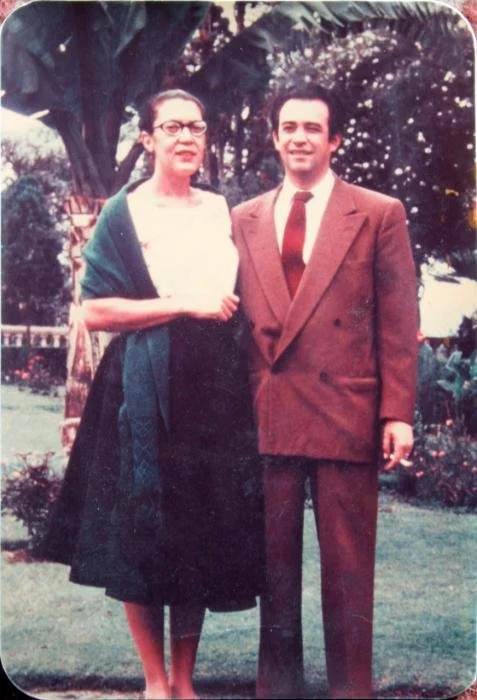
Elizabeth Catlett and her husband, Francisco Mora. Courtesy of Dalila Scruggs.
After visiting Mexico City, NOMMO has refined its vision for the present. We recognize how the Black diaspora's impact is shaped by artists who defy constraints and transcend limiting spaces.
This understanding sheds light on Elizabeth Catlett's choice to move to Mexico. During a period of censorship, the city offered her the freedom to breathe, collaborate, and express herself, solidifying her convictions. We find ourselves in a similar moment today.
Guided by our ethos of “Chasing Catlett,” NOMMO will continue to support institutions, artists, and partners dedicated to depth, integrity, and cultural fluency across borders.
As we imagine a future NOMMO-led research residency in Mexico City, we invite dialogue with collaborators committed to place-based learning, cross-border exchange, and the preservation of Black cultural memory.
This journey is not just about revisiting Black history; it’s an opportunity to shape how Black memory, art, and space are envisioned today and for the future.