
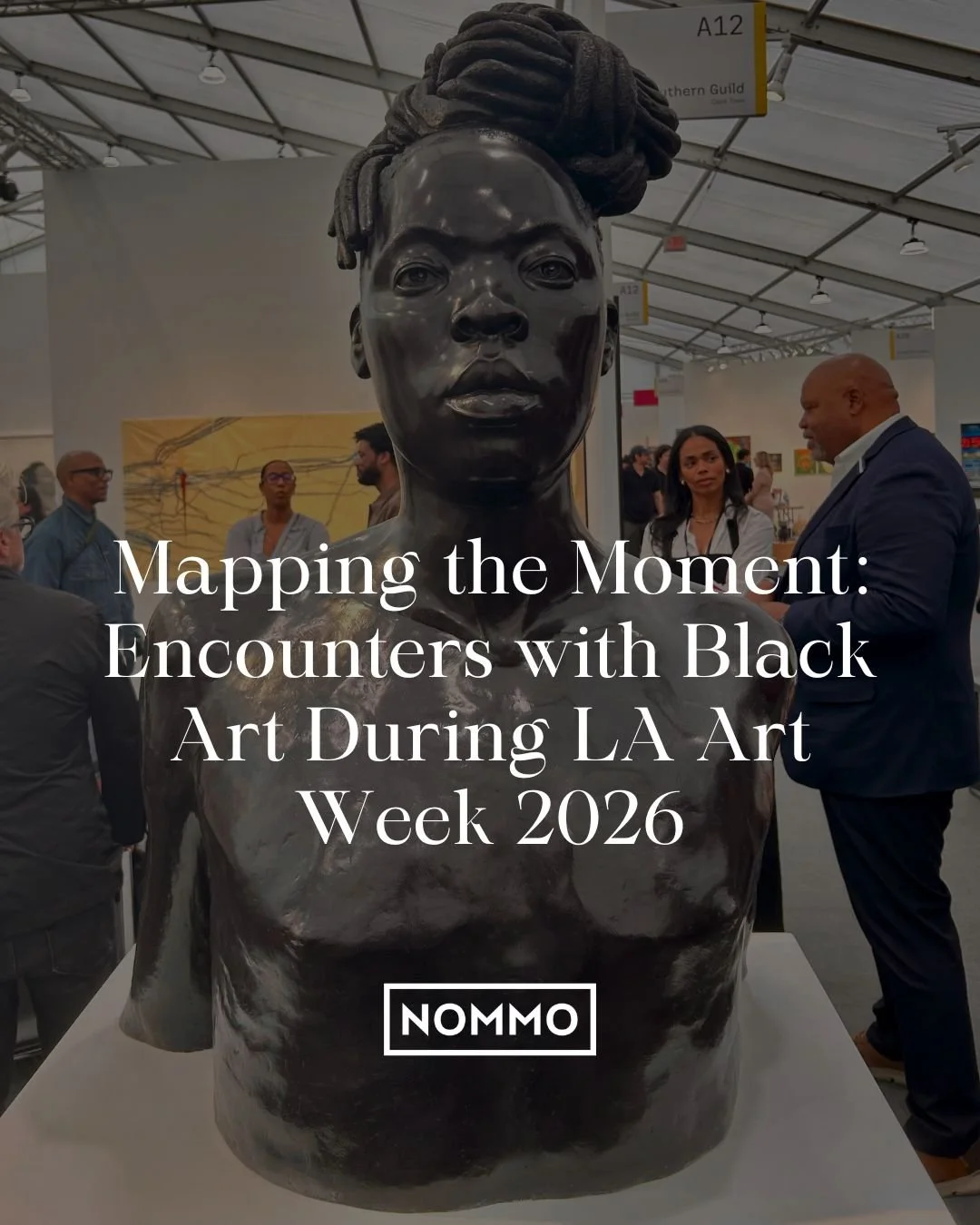
Mapping the Moment: Encounters with Black Art During LA Art Week 2026
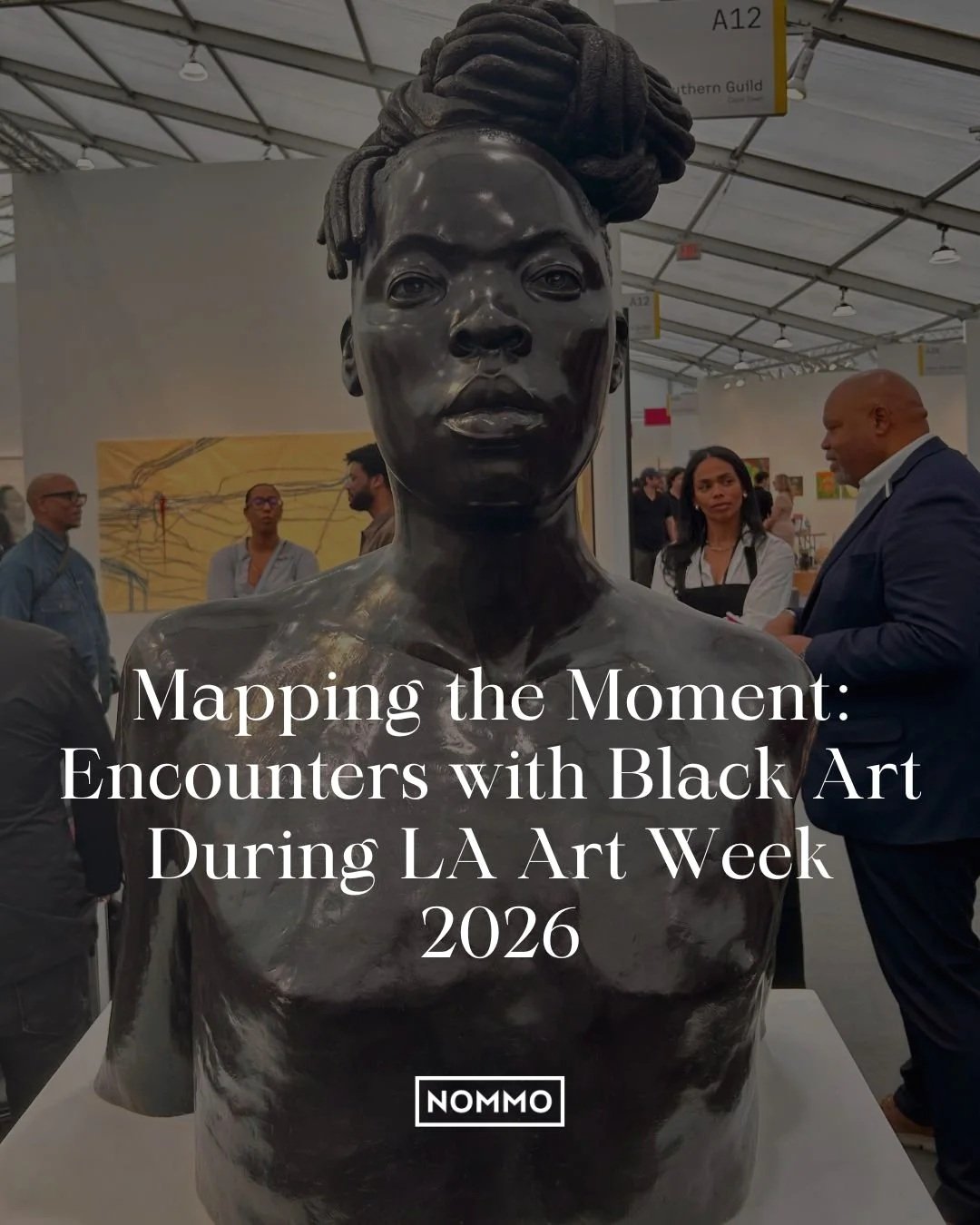
Frieze LA 2026.
LA Art Week is often defined by major fairs like Frieze and Felix, as well as numerous satellite exhibitions that position Los Angeles as a global center for contemporary art. This year, we observed that Black artistic presence was not confined to a single venue or event. Instead, it appeared across fairs, galleries, and cultural spaces, highlighting a broader artistic ecosystem throughout the city.
Over several days, NOMMO Cultural Strategies engaged with artists, curators, collectors, and institutions, shaping this evolving landscape. These Field Notes are not a comprehensive guide to every fair or event during LA Art Week. Instead, they highlight select moments that offer insight into how Black art shapes Los Angeles's cultural geography.
The Global Stage: Frieze Los Angeles ‘26
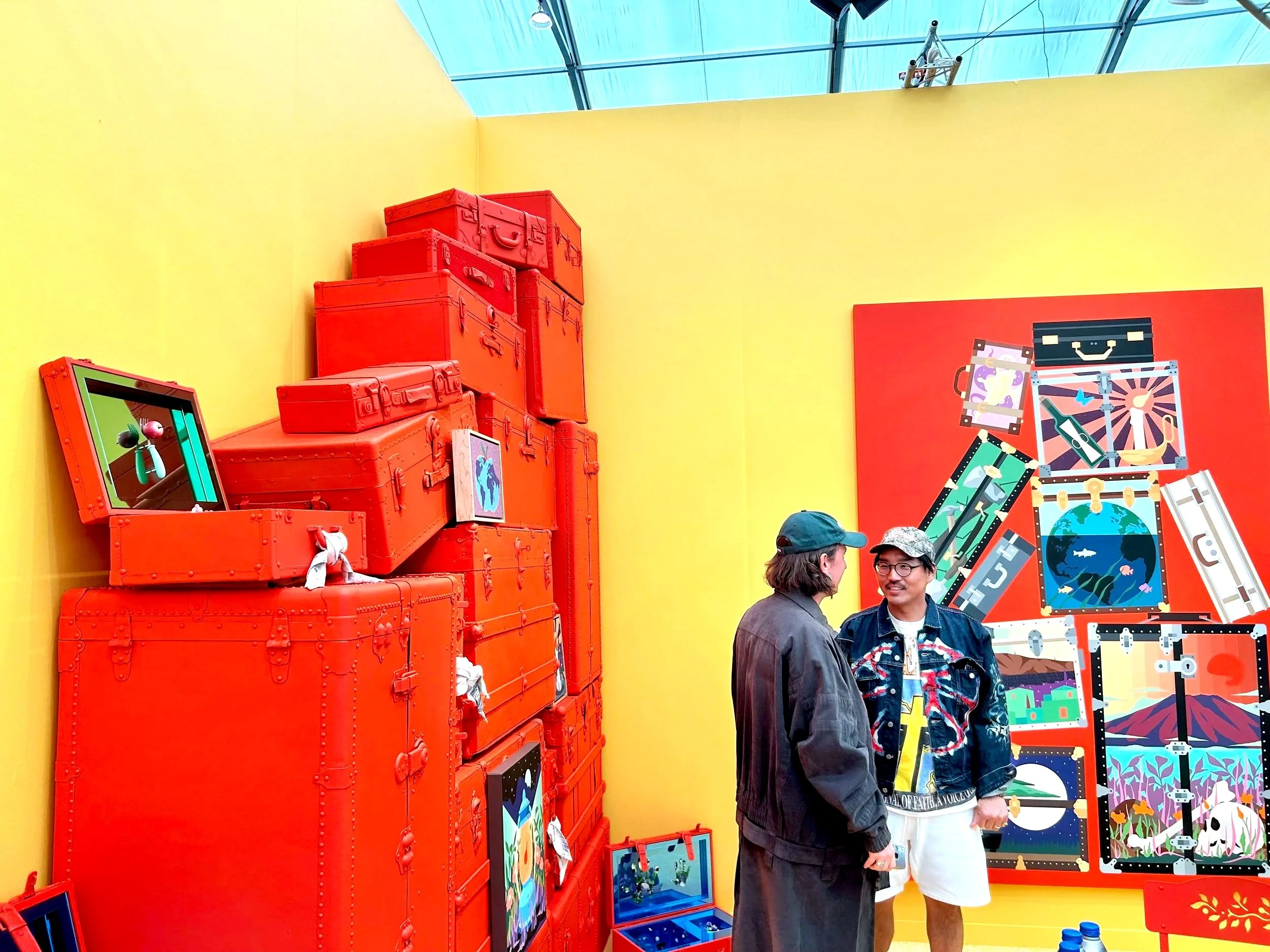
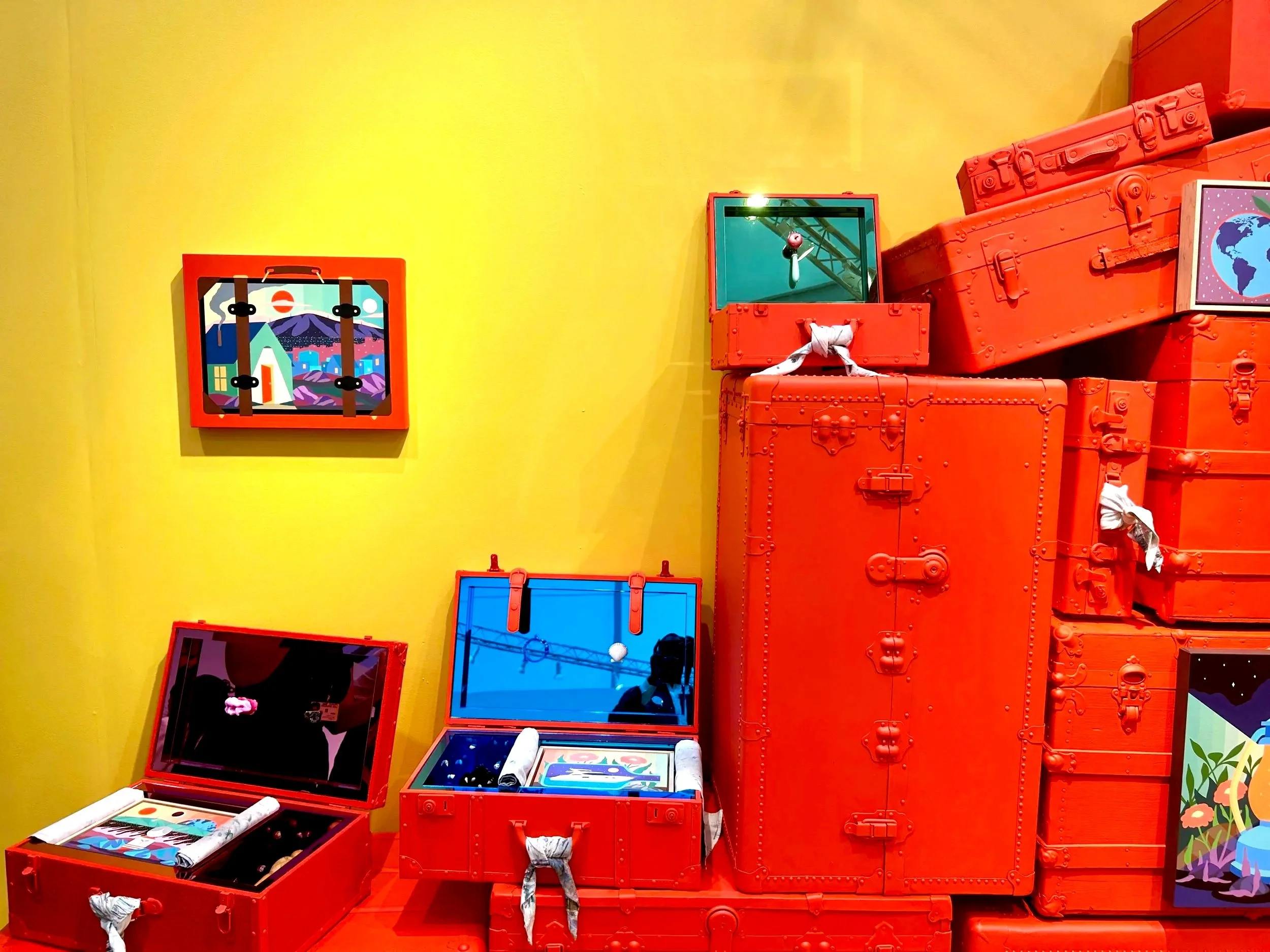
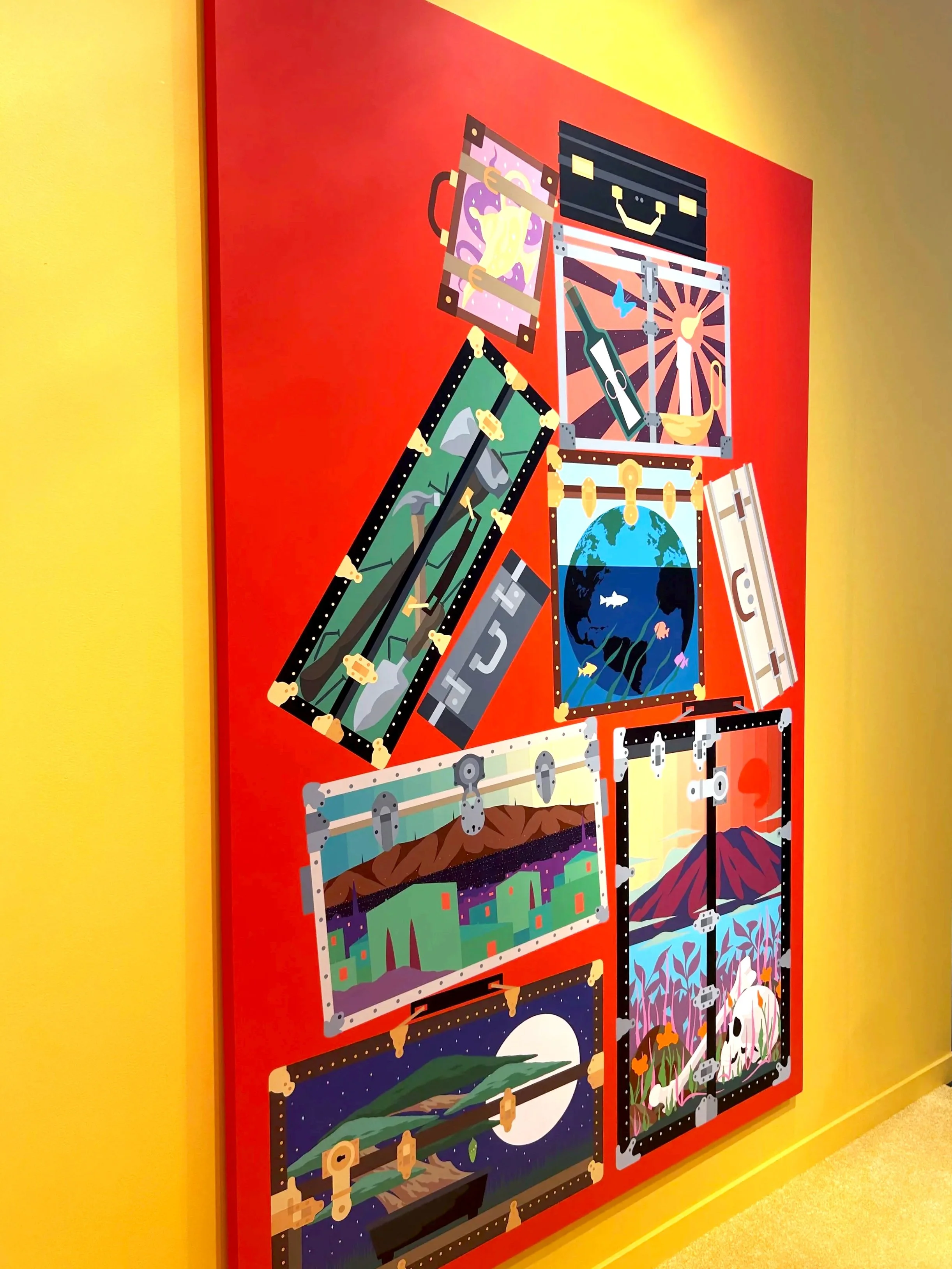
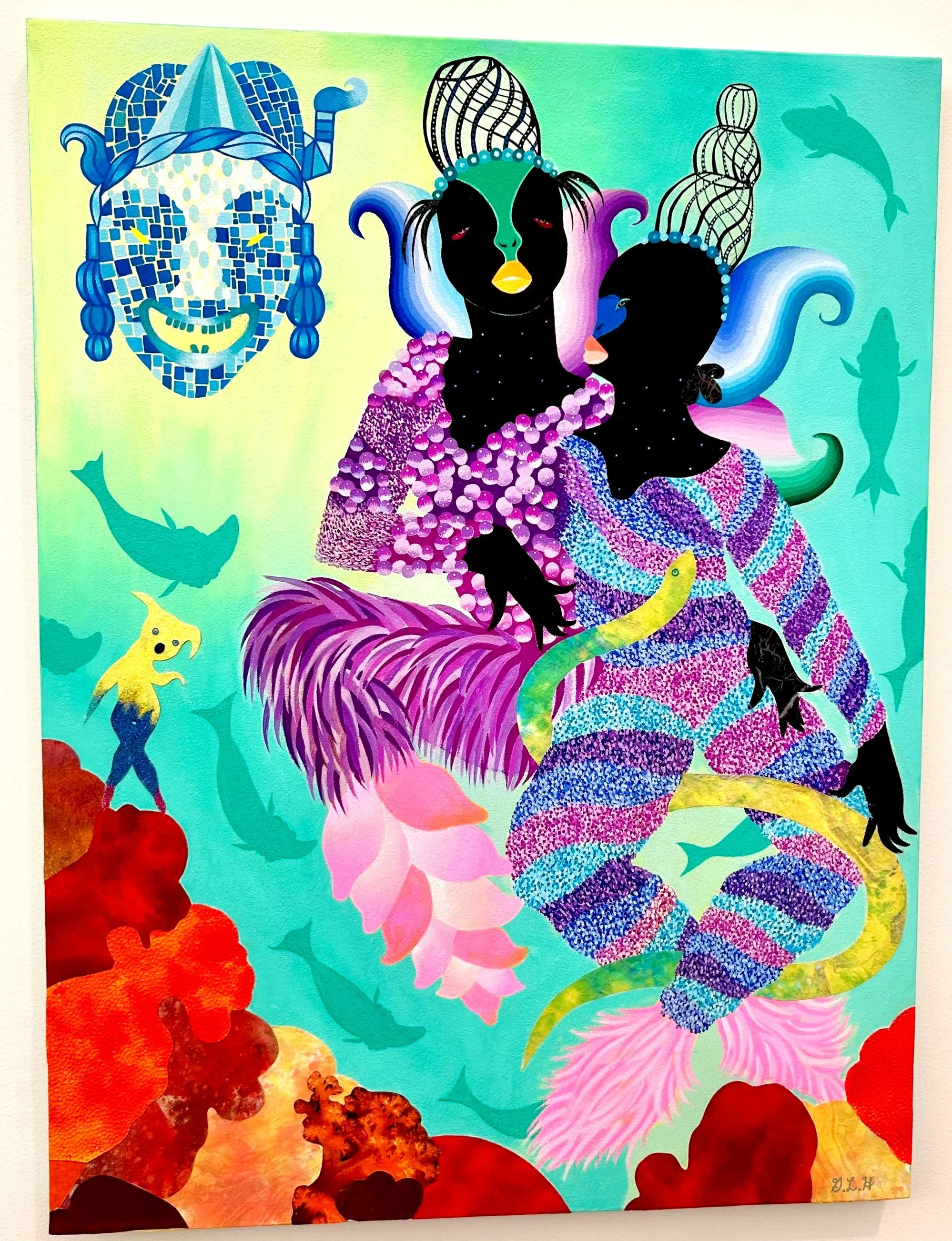
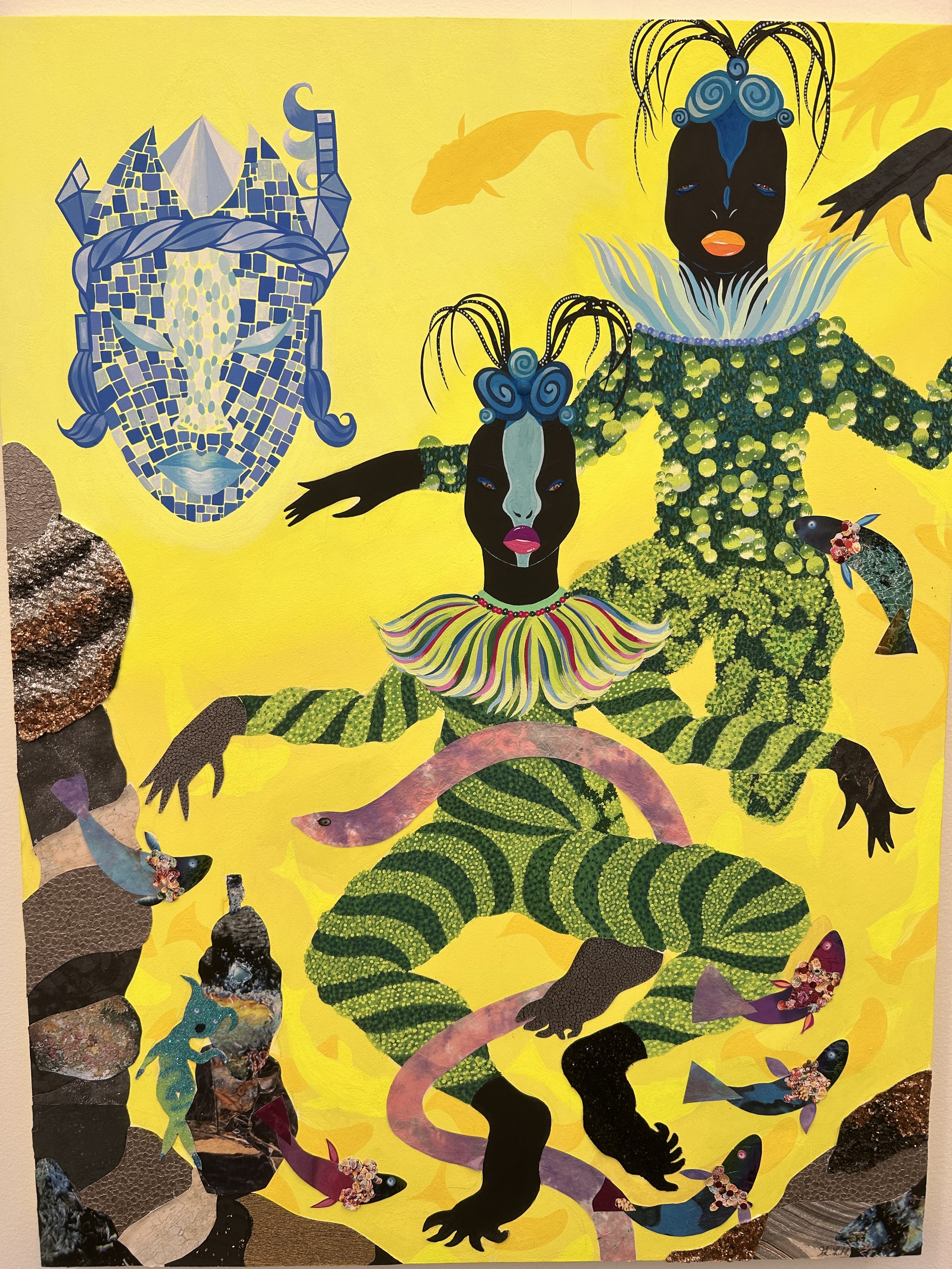
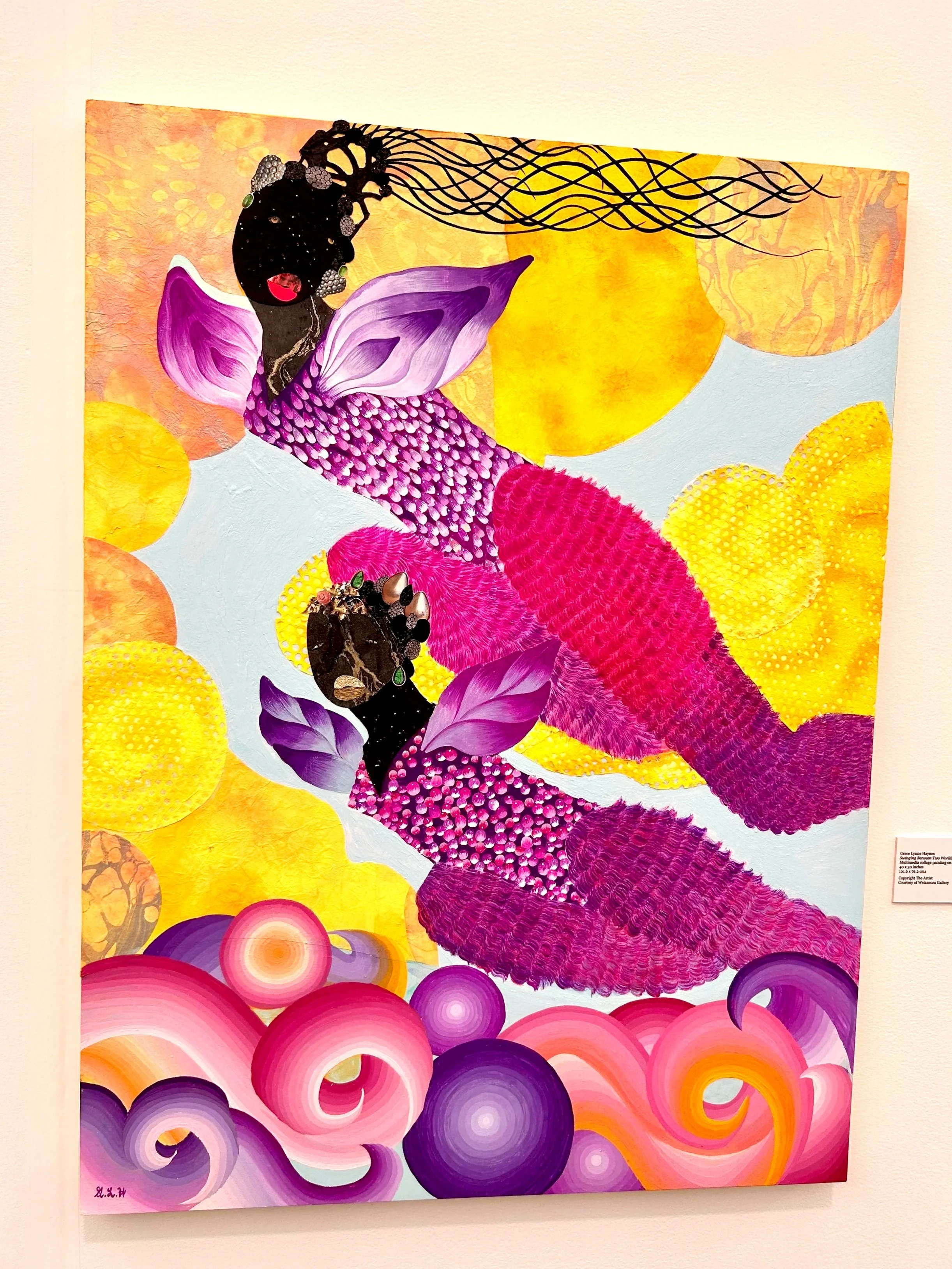
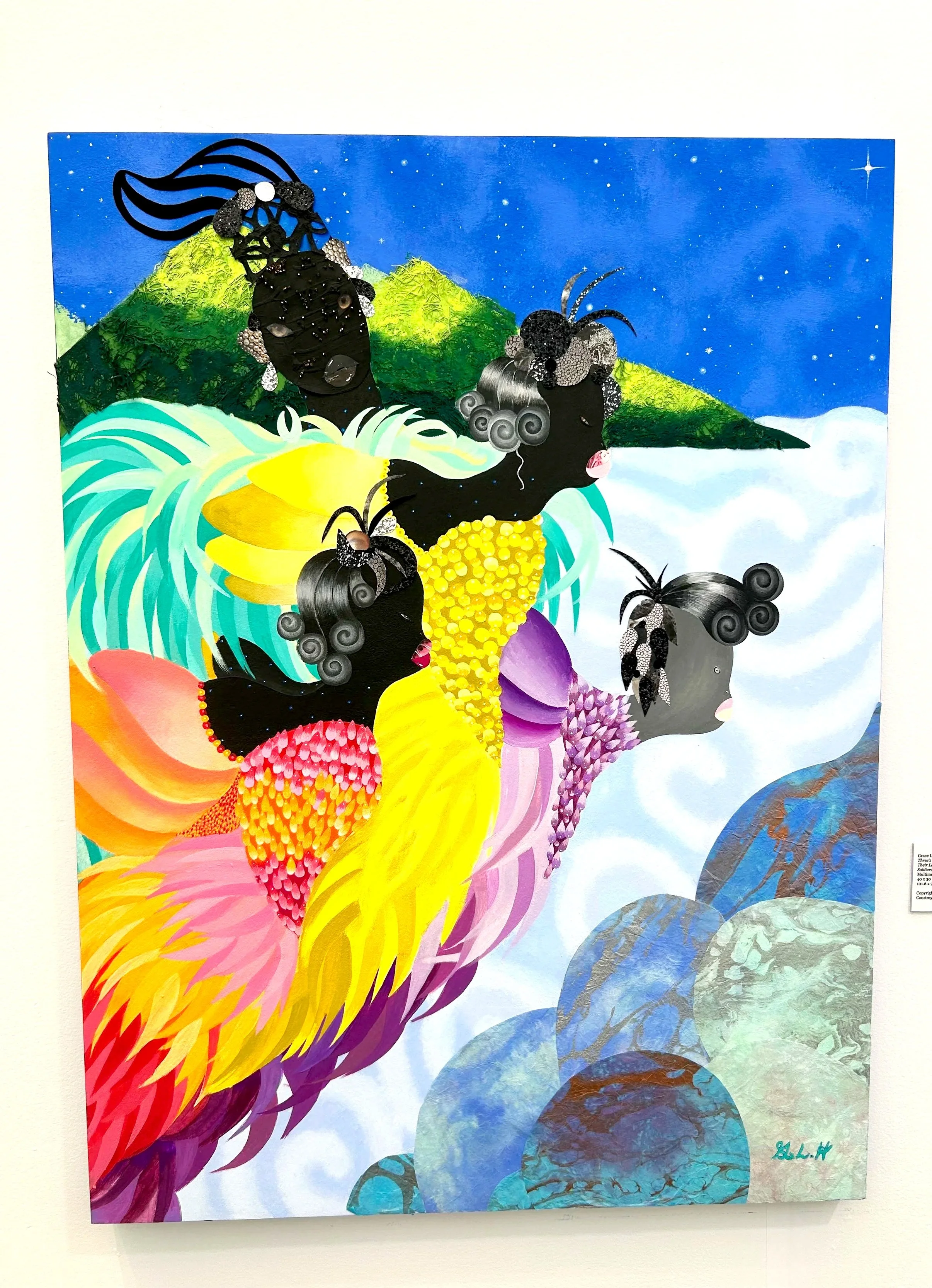
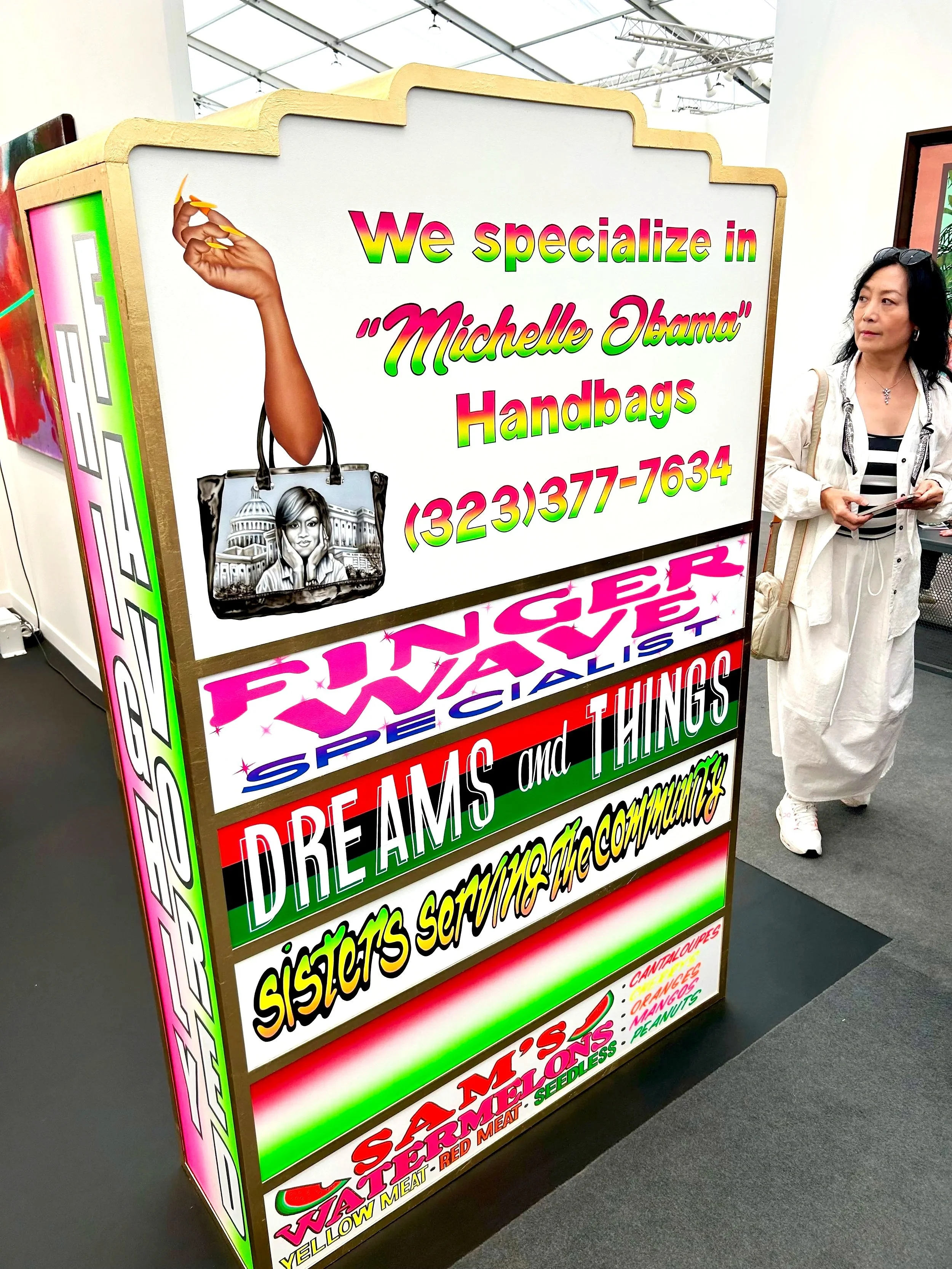
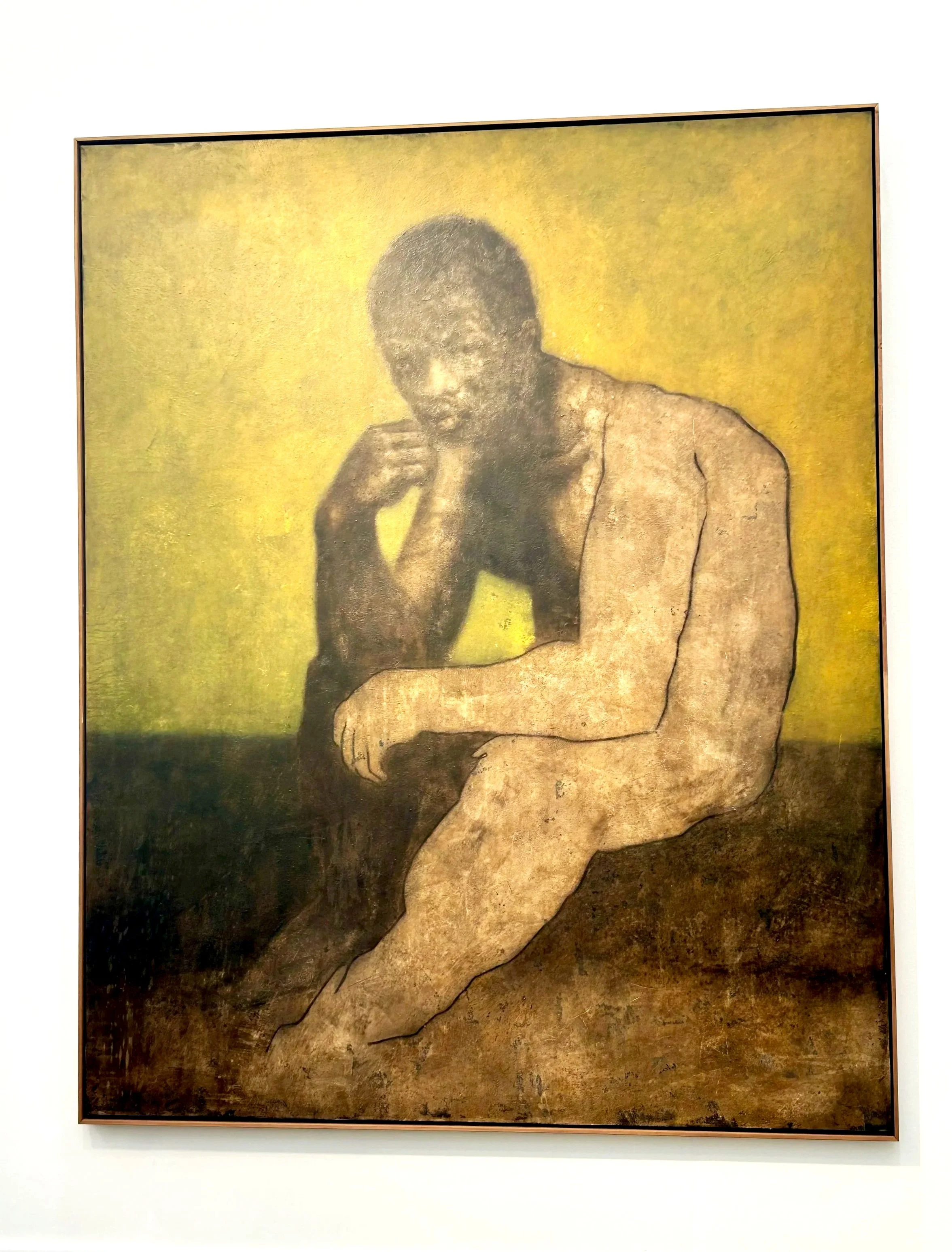
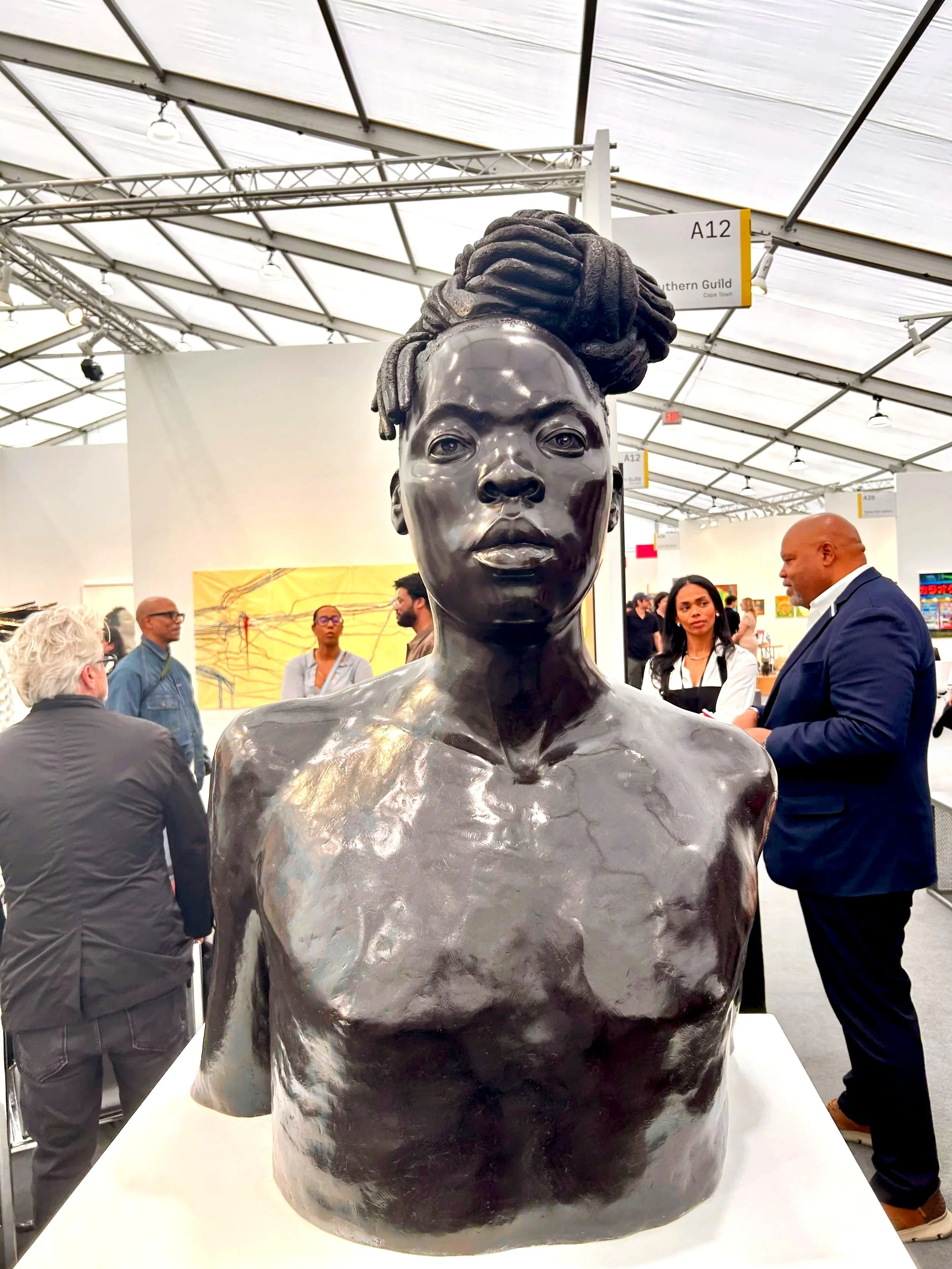
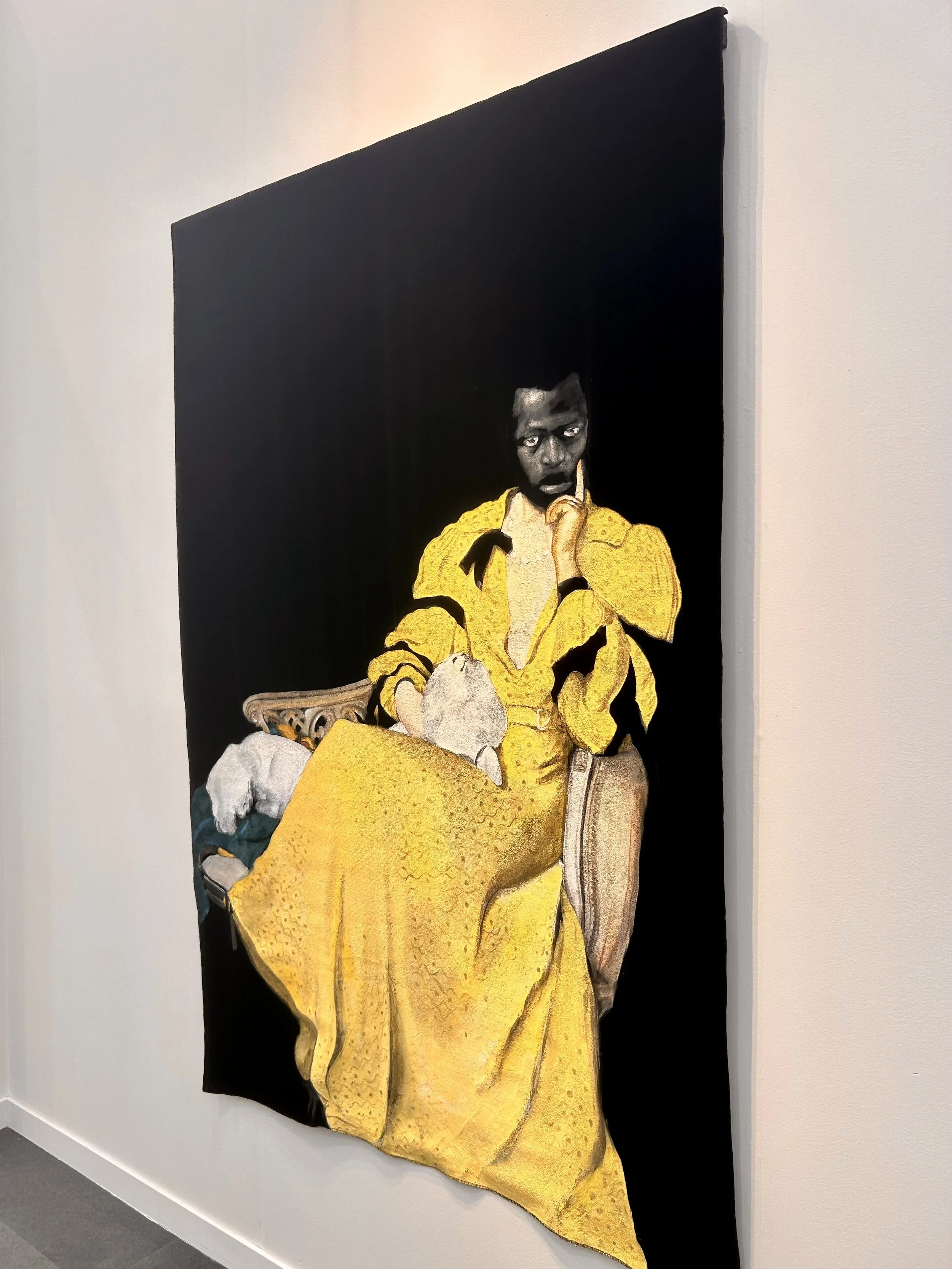
A key highlight of LA Art Week is Frieze Los Angeles, where collectors, curators, artists, and institutions from around the world gather at the Santa Monica Airport to engage with contemporary art on an international scale.
Several presentations stood out at the fair for their curatorial clarity and artistic impact.
Superposition Gallery, led by Storm Ascher and curated by Essence Harden, presented a vibrant selection that balanced visual energy with curatorial intent. Greg Ito’s paintings, central to the booth, explored identity, cultural memory, and diasporic belonging through abstraction and symbolism. Harden’s approach allowed the work to resonate, creating a booth that was both visually striking and conceptually grounded.
Welancora Gallery featured works by Grace Lynne Haynes, whose practice explores abstraction, embodiment, and the emotional architecture of the human figure. The booth offered a contemplative atmosphere, providing a moment of reflection amid the fair’s visual intensity.
Southern Guild’s presentation was also significant, bringing together artists from the African diaspora. Cinga Samson’s paintings, in particular, created a powerful moment. His atmospheric compositions invite viewers into quiet psychological landscapes that linger beyond the initial encounter.
Together, these presentations showed how artists connected to the African diaspora continue to shape discourse in the global art market. However, Black artistic presence during LA Art Week extended beyond the fair.
The Collector’s Archive: The Eileen Harris Norton Collection at Hauser & Wirth
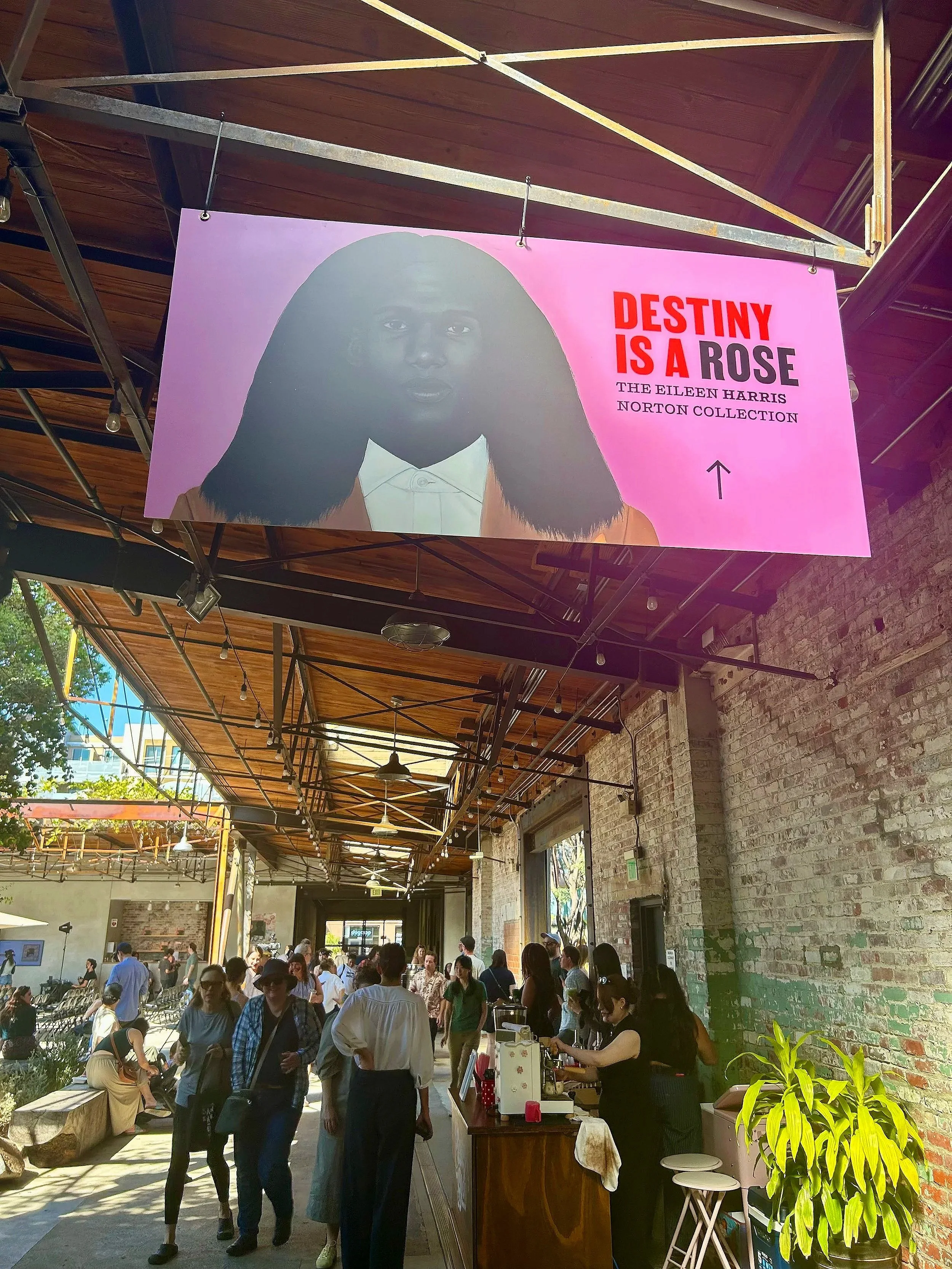
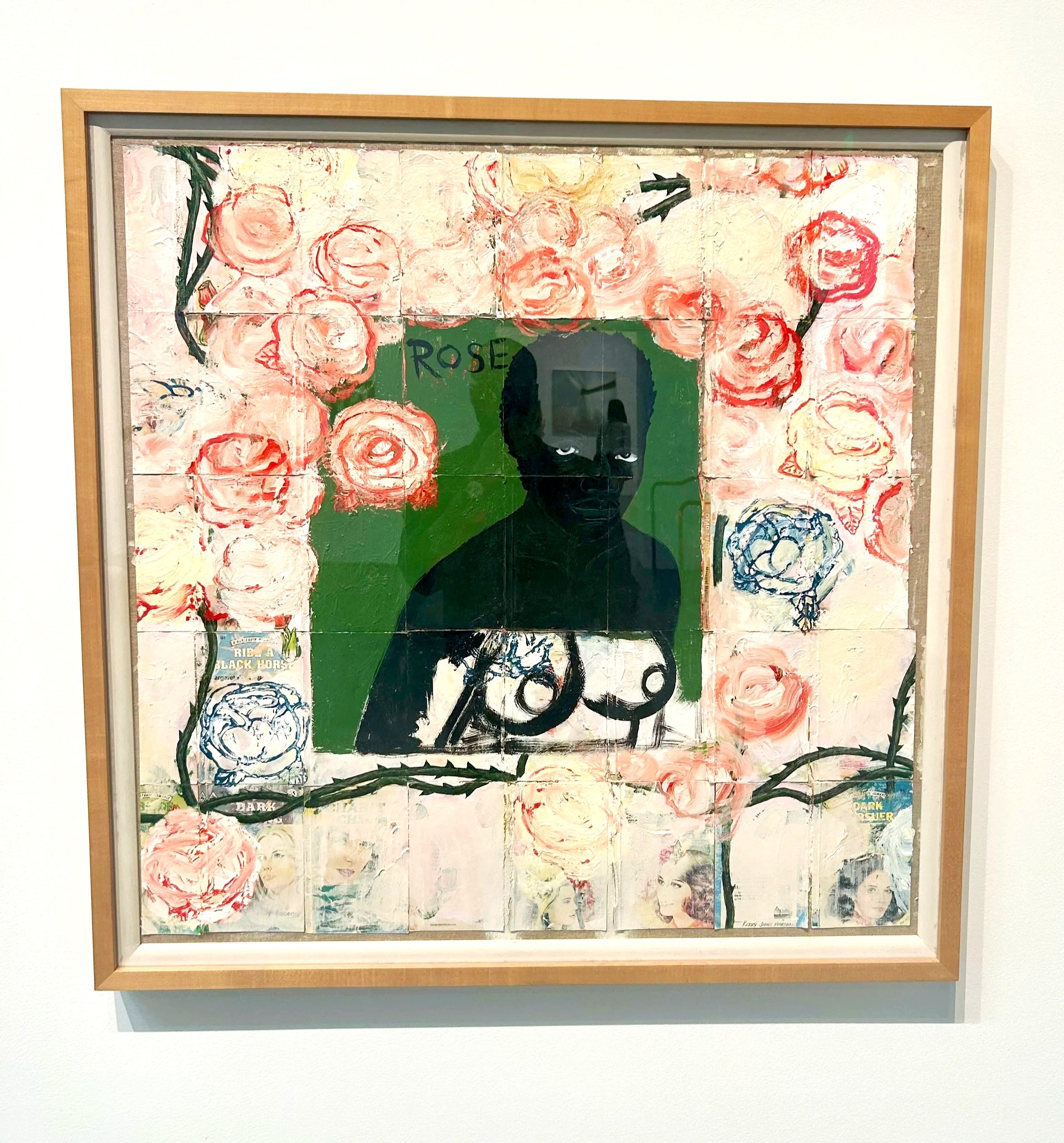
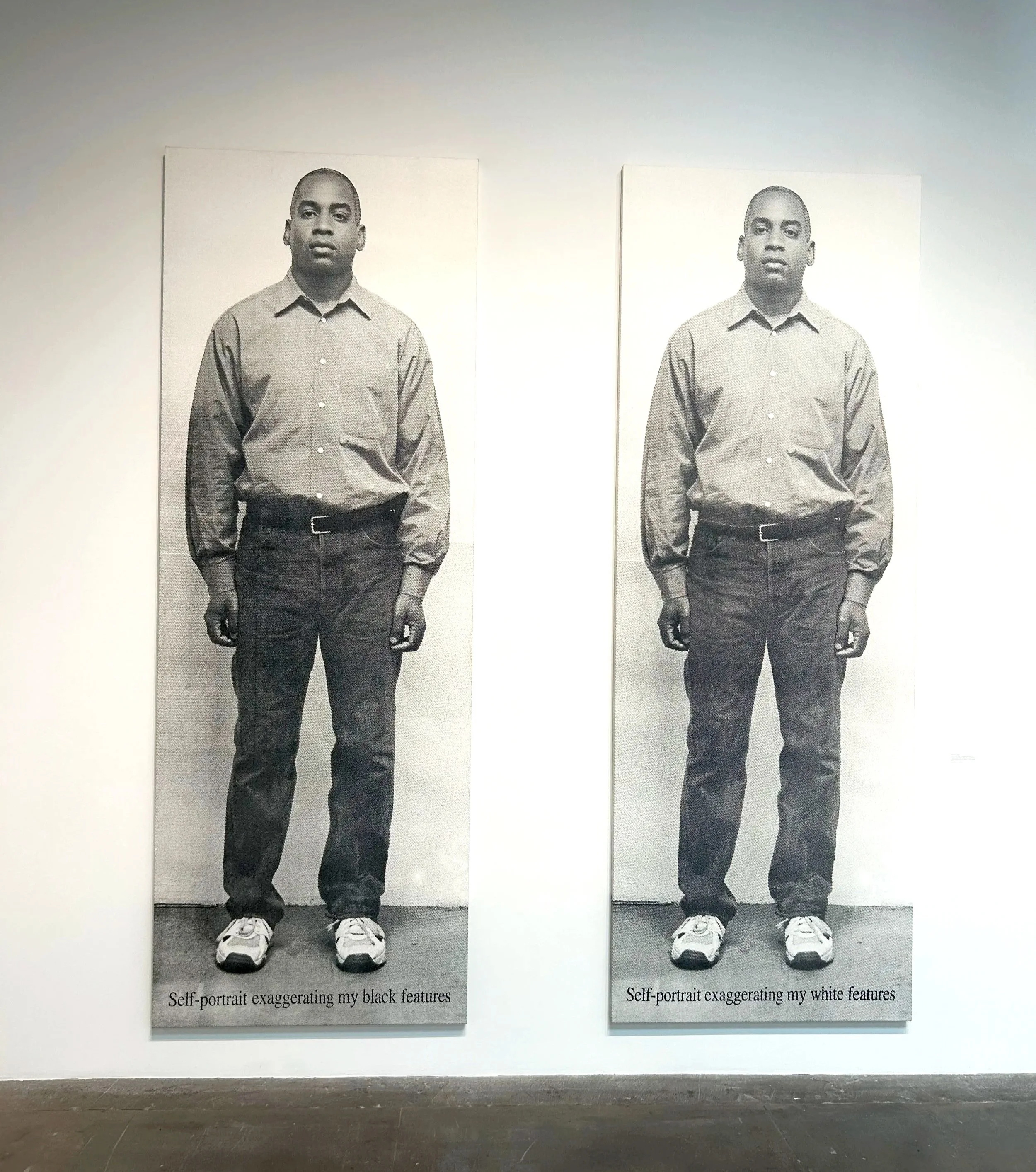
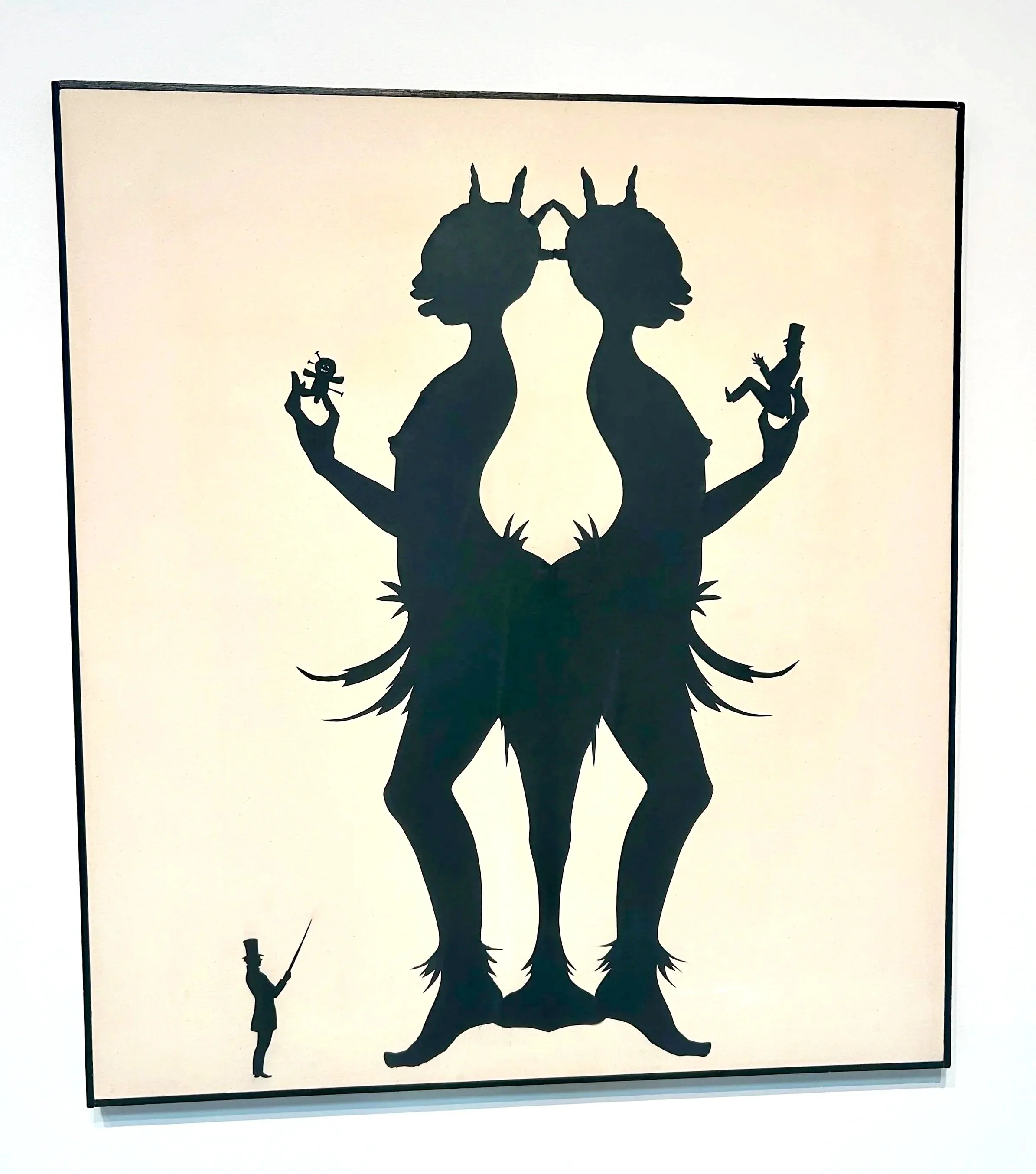
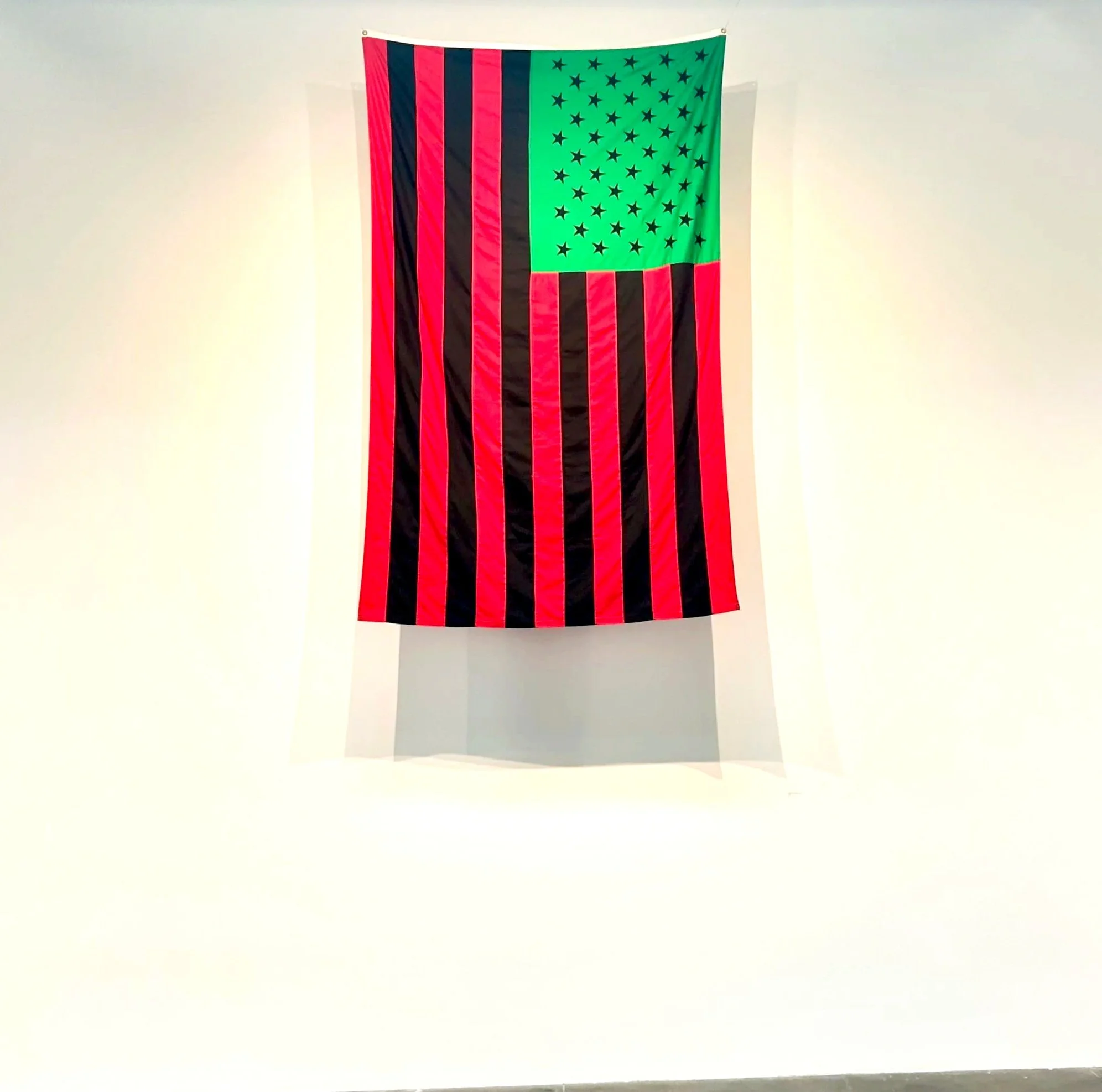
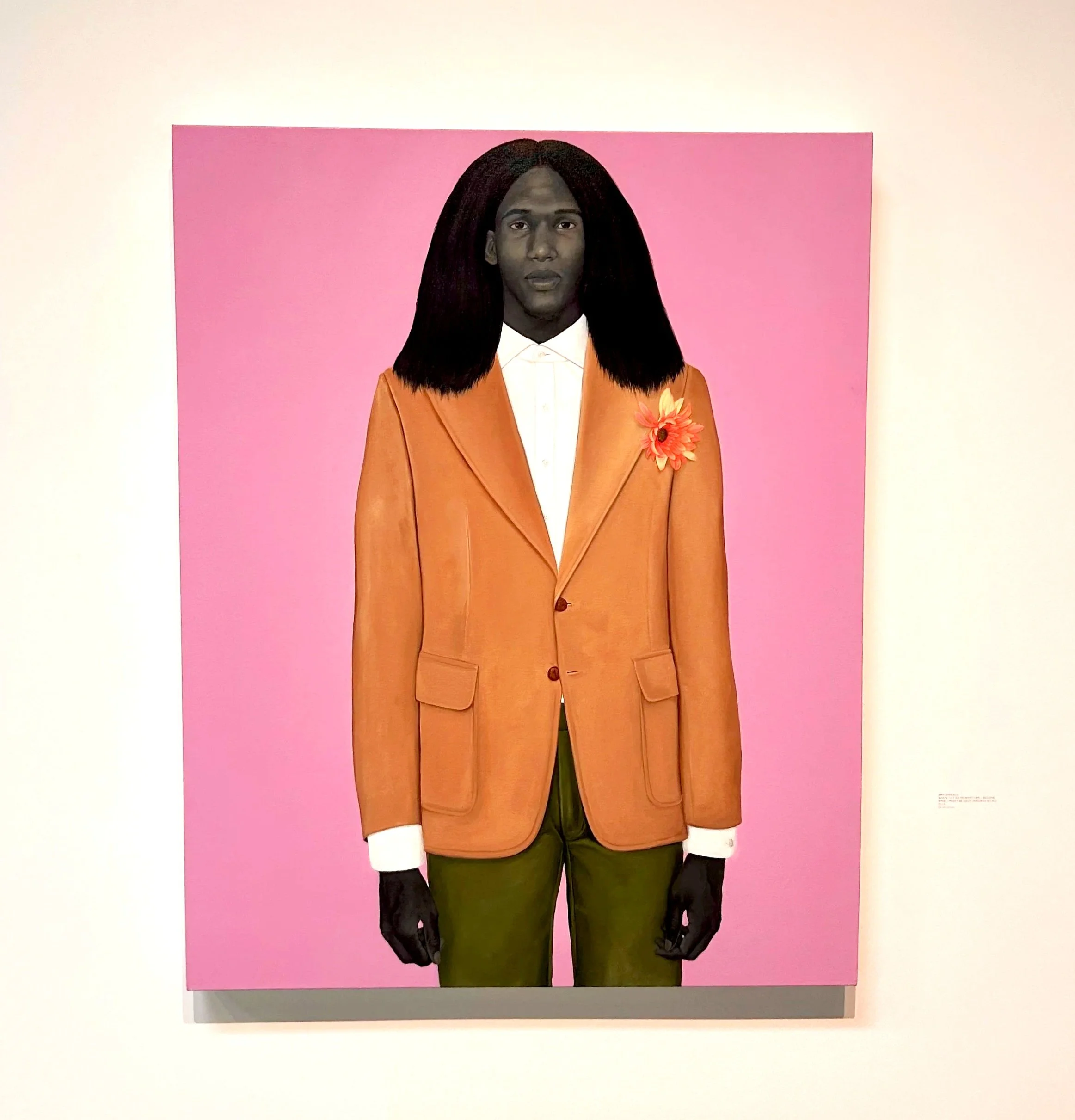
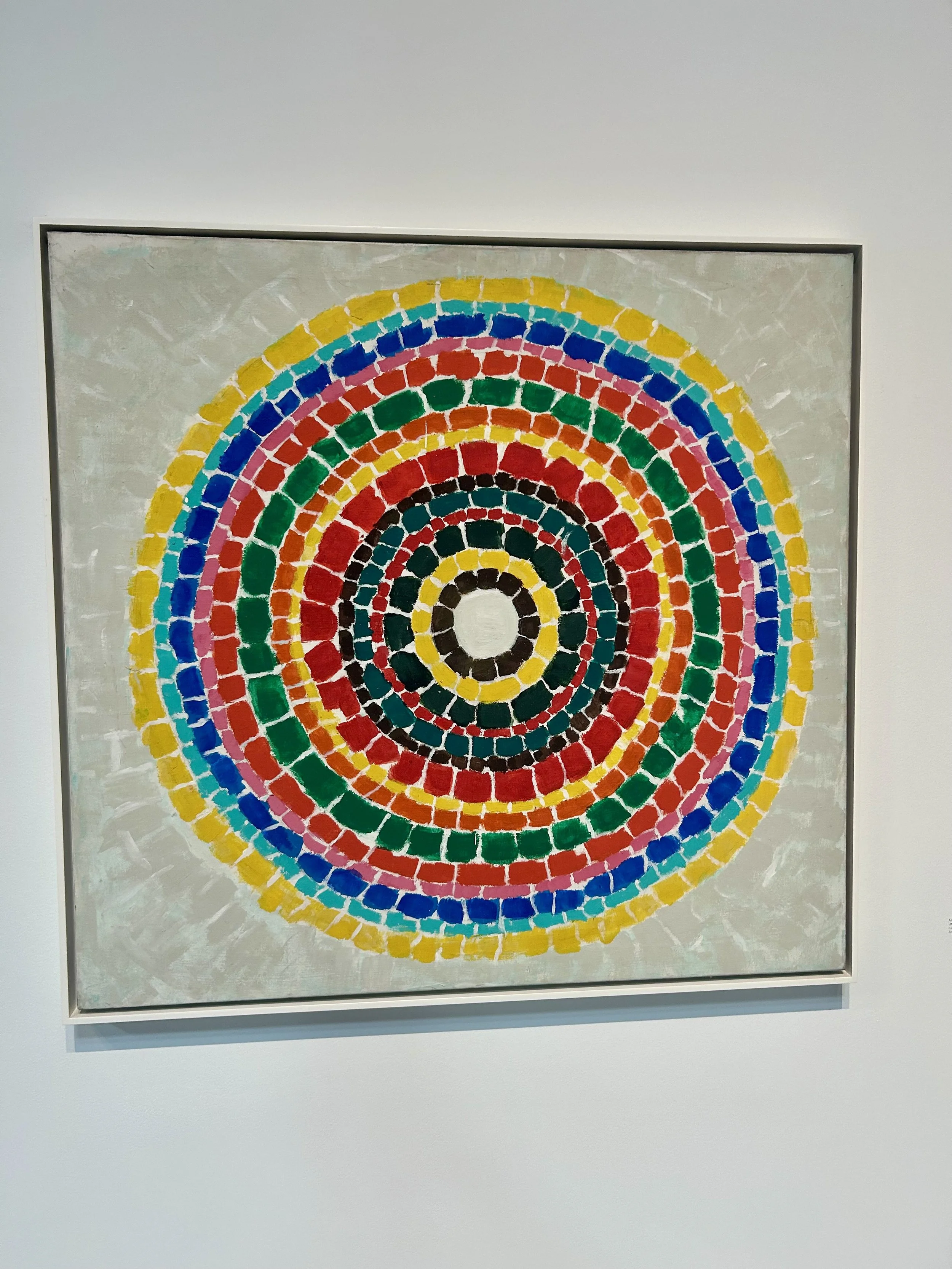
Gallery exhibitions across Los Angeles also offered insight into how Black artists shape contemporary art discourse.
At Hauser & Wirth, the gallery presented selections from Desitiny is a Rose: Eileen Harris Norton Collection within the exhibition, offering a particularly impactful encounter.
The exhibition brought together over 100 works spanning several decades, including pieces by Mark Bradford, David Hammons, Alma Thomas, Hank Willis Thomas, Amy Sherald, and many others who have shaped contemporary art.
The exhibition underscored the important role collectors play in shaping artistic legacies. Norton’s collection reflects both an expansive vision and a sustained commitment to supporting artists who challenge and expand the boundaries of contemporary art.
Viewed alongside the presentations at Frieze, the exhibition highlighted another aspect of the cultural ecosystem: the collector’s archive. While fairs offer a snapshot of the contemporary market, collections like Norton’s reveal the long-term relationships that sustain artists and preserve their work for future generations.
A New Platform: The Inaugural BUTTER Art Fair in Inglewood
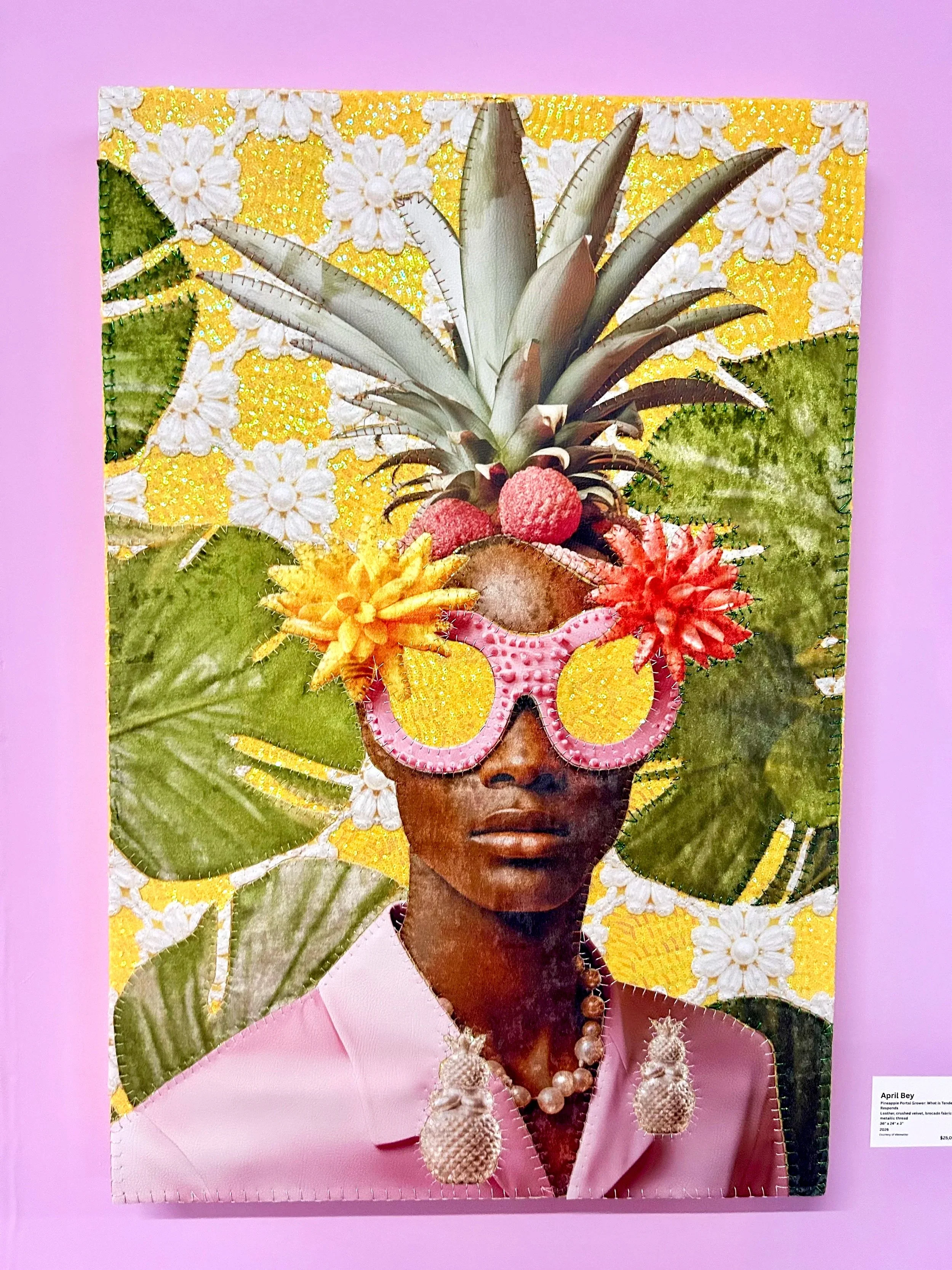
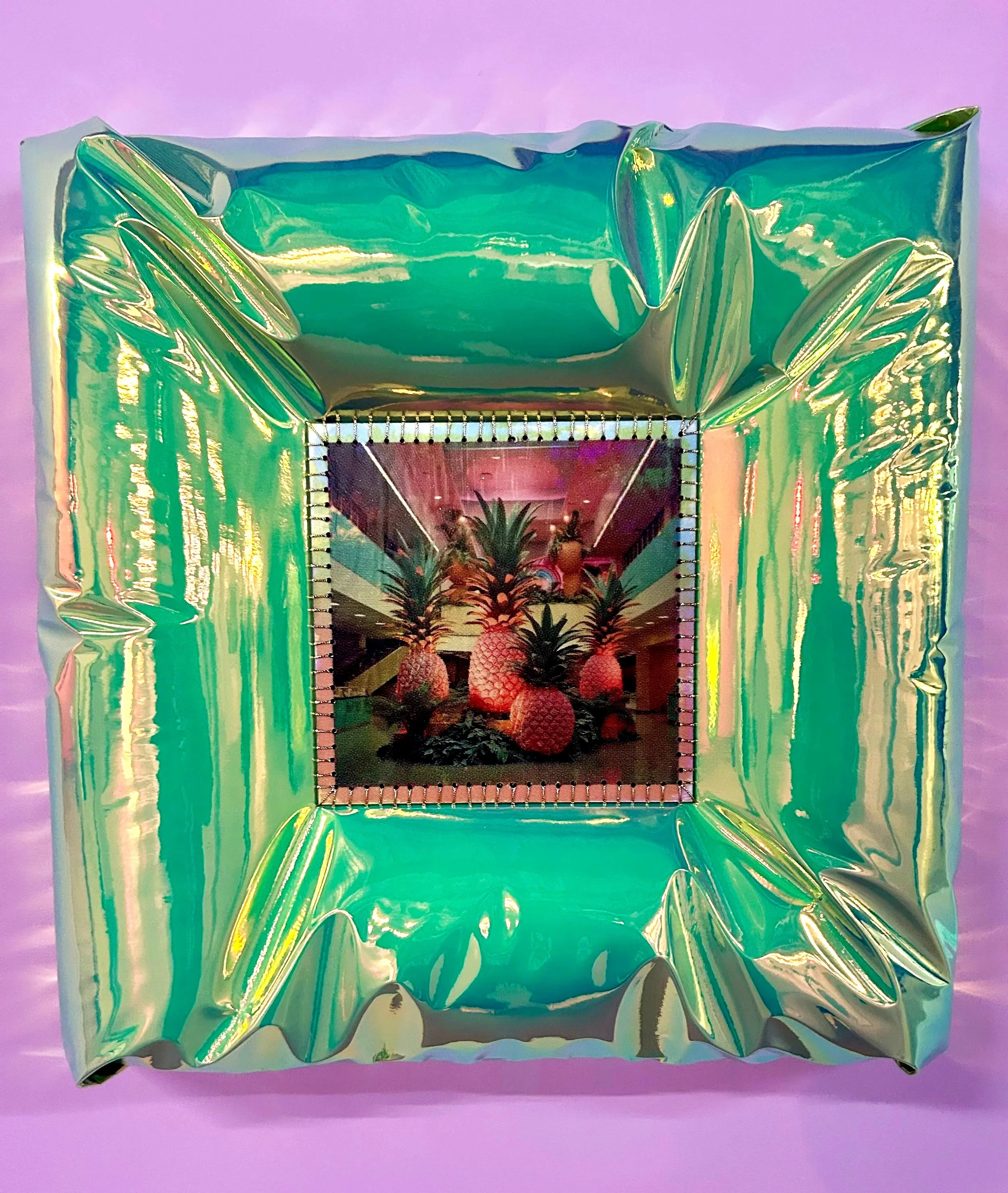
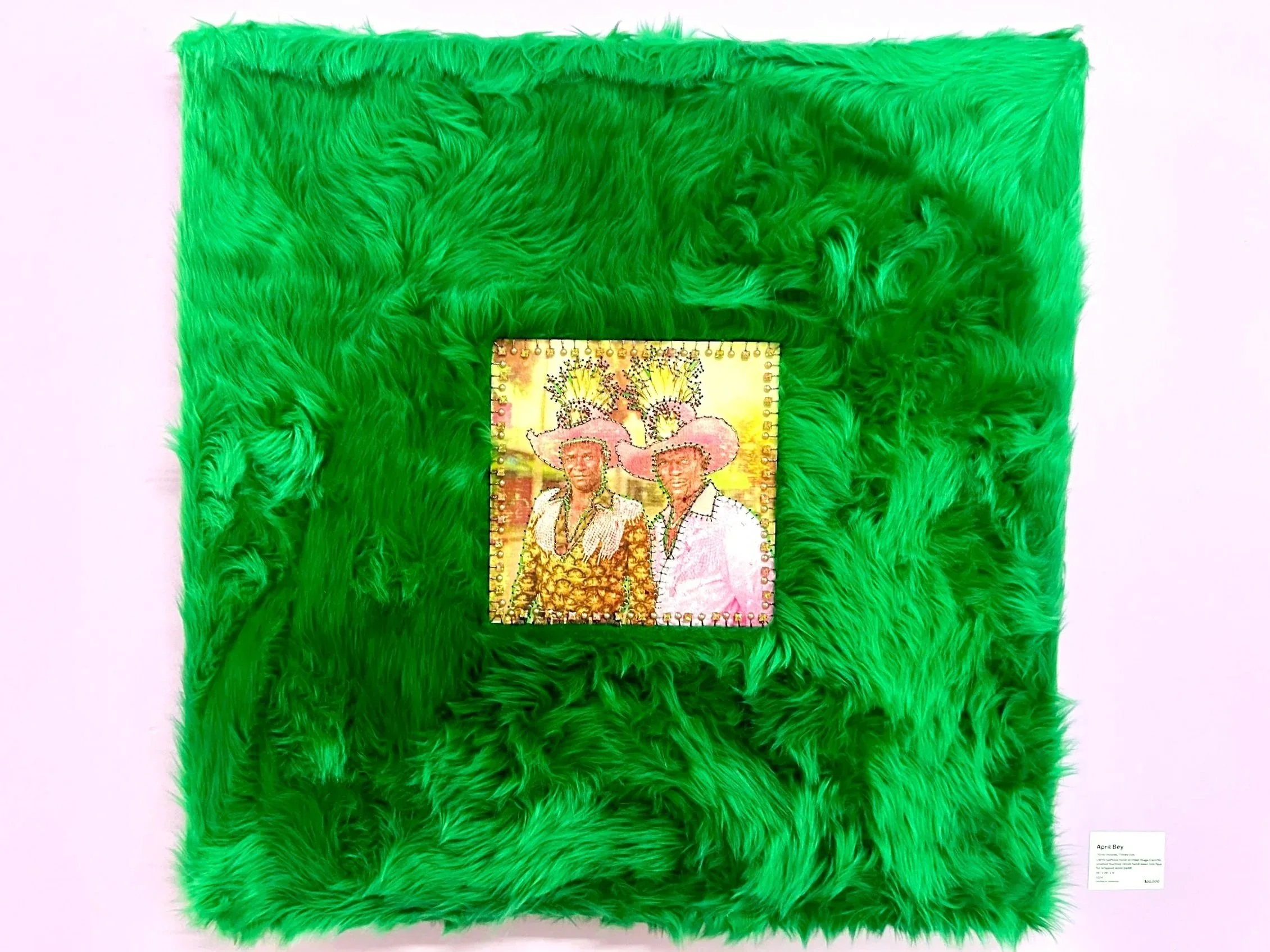
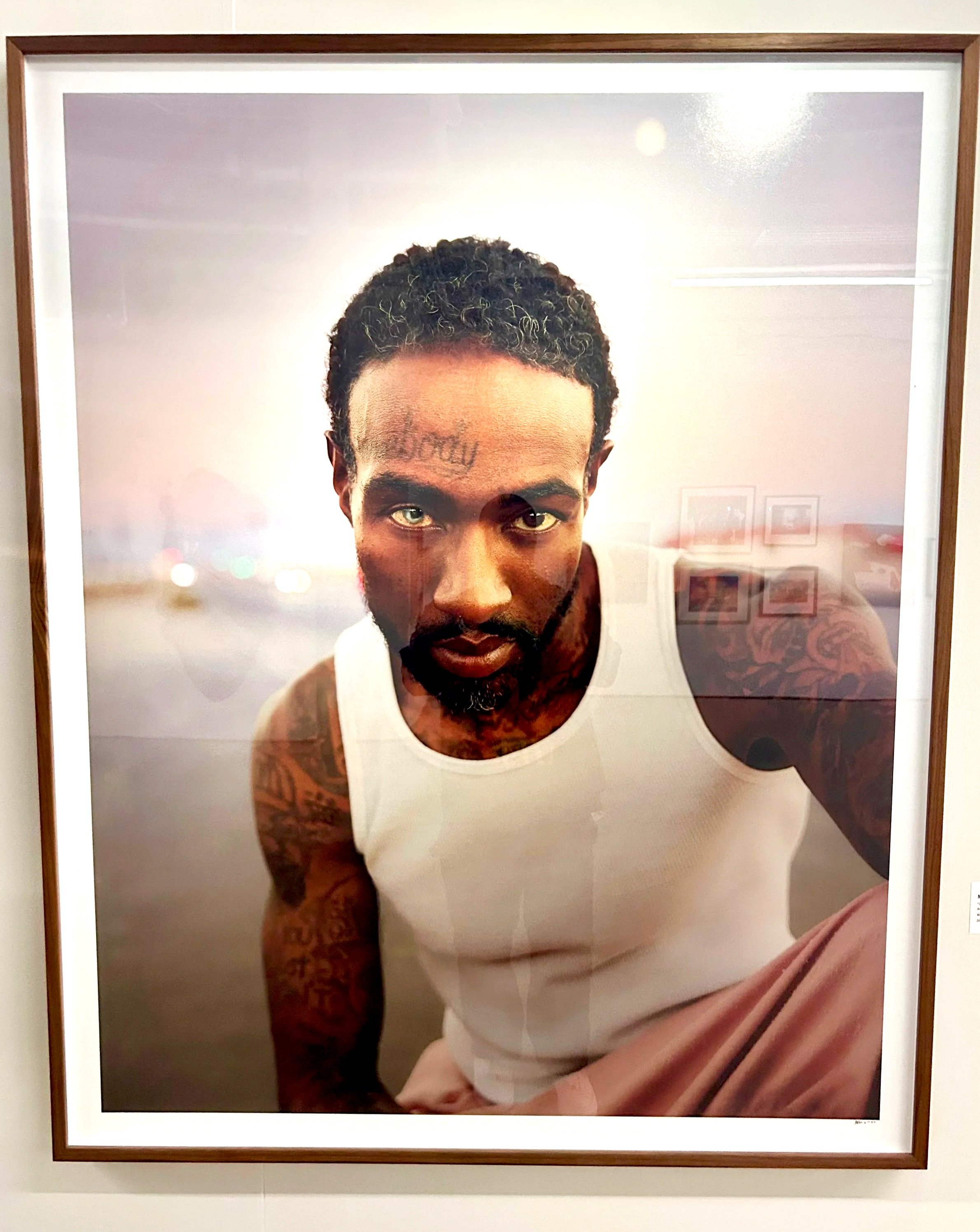
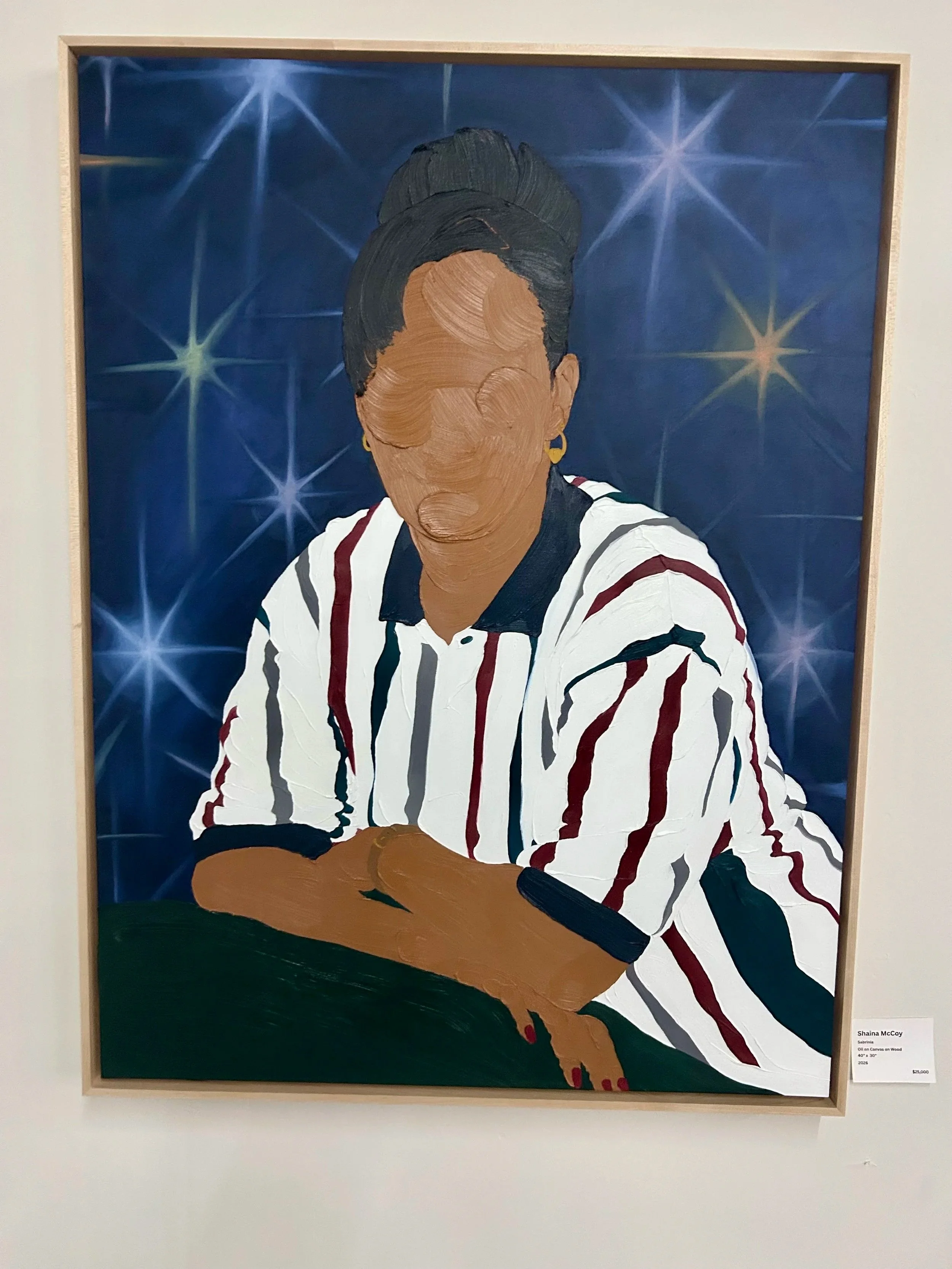
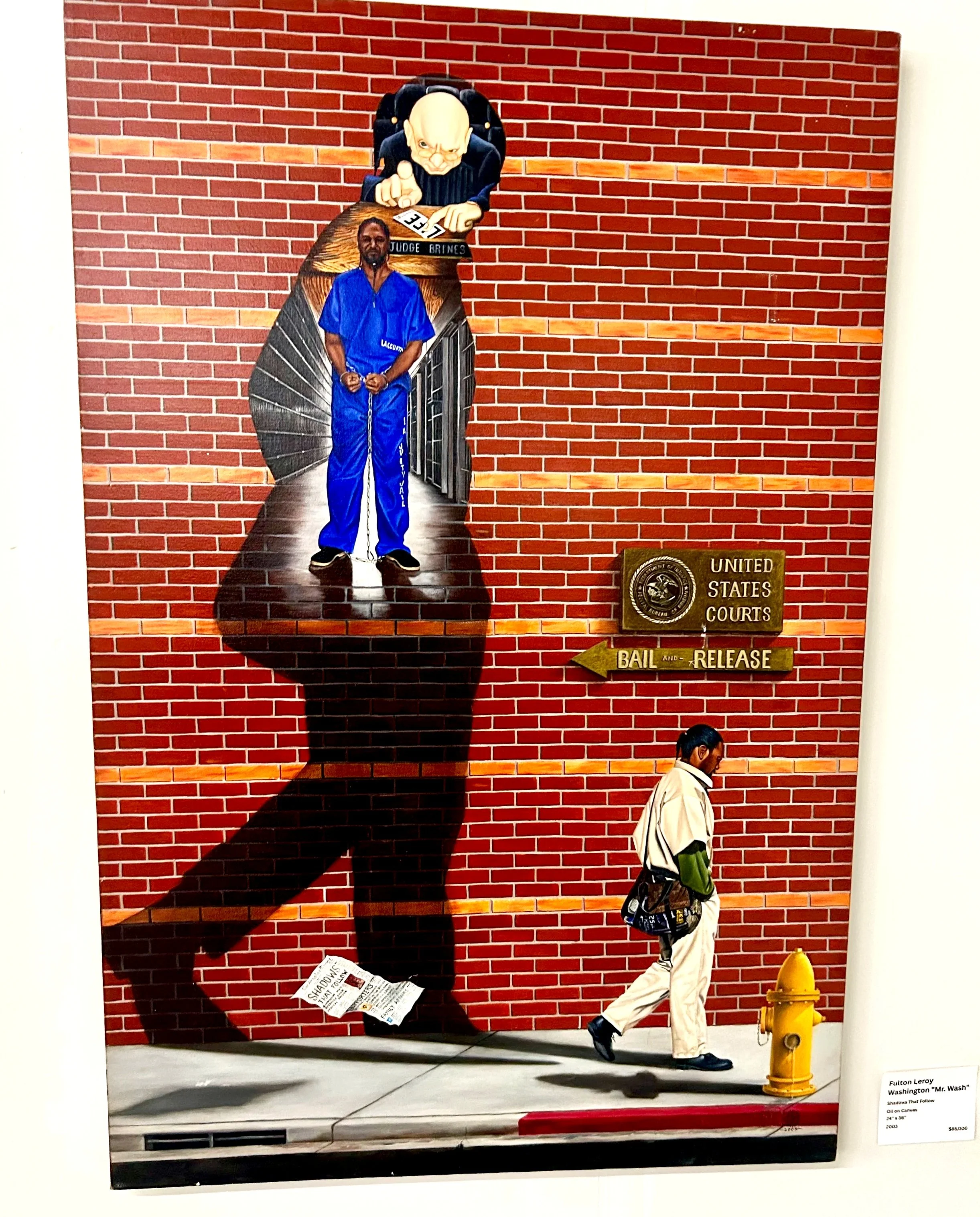
While Frieze represented the global art market and Hauser & Wirth reflected the influence of collectors, the debut of the BUTTER Art Fair underscored the importance of community-centered platforms within Los Angeles’ art ecosystem.
Held in Inglewood, the inaugural fair brought together artists, curators, collectors, and audiences to celebrate and expand access to contemporary Black art. With involvement from figures such as Kimberly Drew, the fair created a space where both emerging and established artists could present their work directly to audiences within a vibrant communal setting.
Black artists including April Bey, Shaina McCoy, and Fulton Leroy Washington presented works that encouraged both seasoned collectors and new audiences to engage with collecting Black art. DJs filled the space with music as visitors moved between booths, while conversations unfolded throughout the fair floor.
BUTTER stood out for its emphasis on accessibility, creating opportunities for new collectors to engage with contemporary art in a welcoming and dynamic environment.
As its inaugural edition, the fair offered a promising glimpse of what could become an important cultural platform within Los Angeles’ evolving art landscape.
Black Art Across the City: A Cultural Constellation
Together, these encounters revealed a broader perspective on LA Art Week.
Black art was not limited to a single location. Instead, it appeared across a constellation of spaces throughout the city, including international art fairs, gallery exhibitions, and community-driven platforms.
Each space revealed a distinct aspect of the cultural ecosystem: the global art market, the collector’s archive, and the community platform.
Together, they illustrated a city where Black artists, curators, collectors, and audiences continue to expand how contemporary art is presented, experienced, and collected.
For NOMMO Cultural Strategies, these Field Notes reflect a dynamic Los Angeles, where artistic possibility continues to emerge across multiple cultural landscapes.
If this year’s Art Week is any indication, the story of Black art in Los Angeles is still unfolding.

The Battle for America’s Memory: Lessons from MOCA and The Brick’s “Monuments”
How NOMMO interprets the cultural civil war unfolding in America’s art spaces — and what these monuments reveal about who we remember and why.
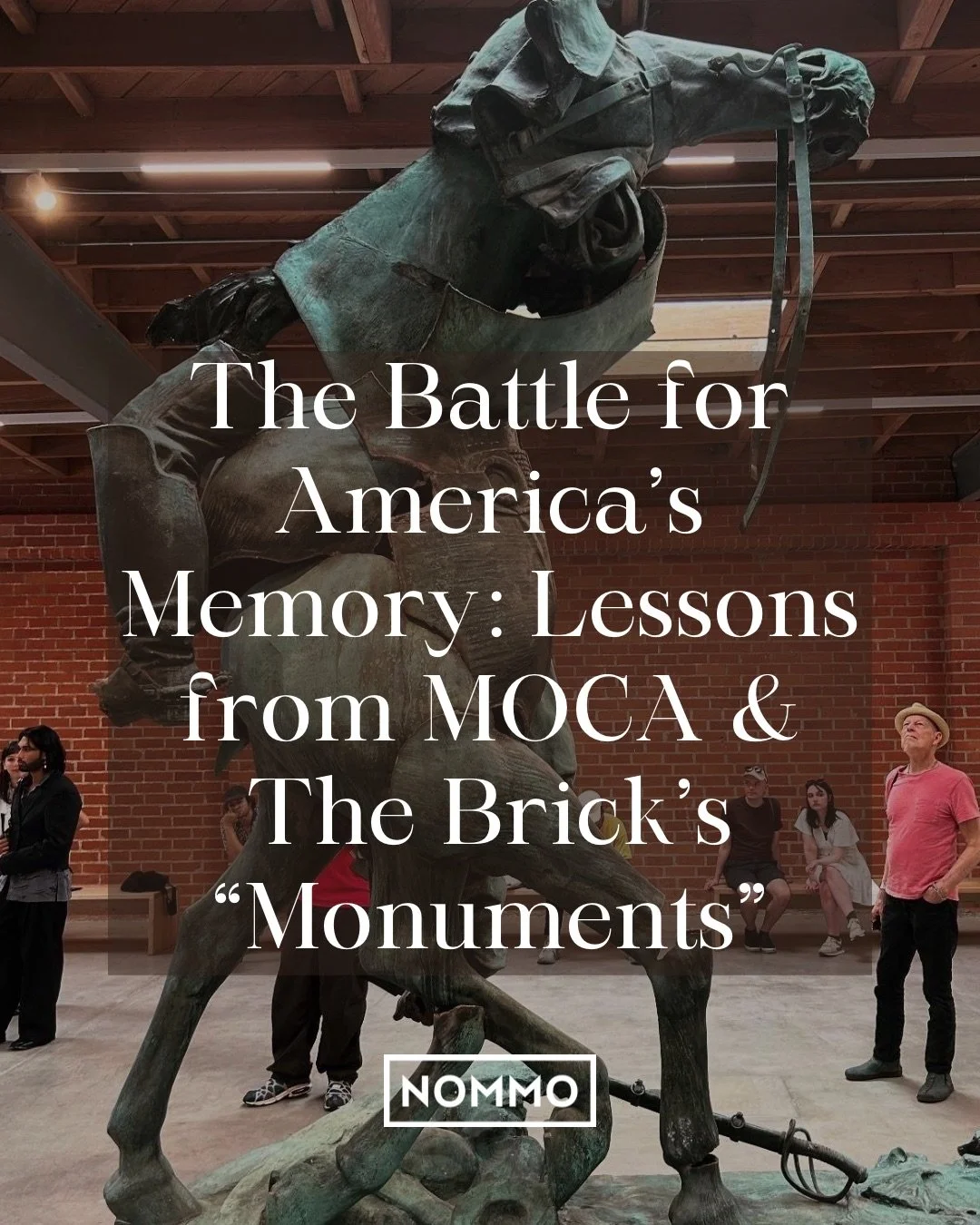
“Unmanned Drone,” Kara Walker, The Brick, 2025
This Autumn, NOMMO attended Monuments, the Museum of Contemporary Art’s and The Bricks’ sweeping exhibition across Los Angeles, CA, that examined the Confederate mindset and its long shadow over the American imagination. Spanning the Geffen Contemporary and The Brick, the exhibition traced how the legacy of enslavement, Confederate mythology, and the “Lost Cause” narrative continue to shape the nation’s understanding of itself.
For NOMMO, Monuments was not only a study of history but a mirror for the present. The presentation revealed how symbols of the Confederacy, whether in bronze, marble, granite, cast zinc, film, or media, have long reinforced myths that normalize white supremacy under the banners of heritage and patriotism, many recently toppled by the civic protests from 2020.
At the Geffen, the scale and candor of the exhibition’s presentation were both staggering and sobering. Installations featuring retellings from D.W. Griffith’s The Birth of a Nation and portraits glorifying the Ku Klux Klan forced audiences to face the violence embedded in American cultural memory. For Black viewers, the experience could be deeply triggering. Yet, within that discomfort lies power: the power to name and dismantle the myths that have defined American life for centuries.

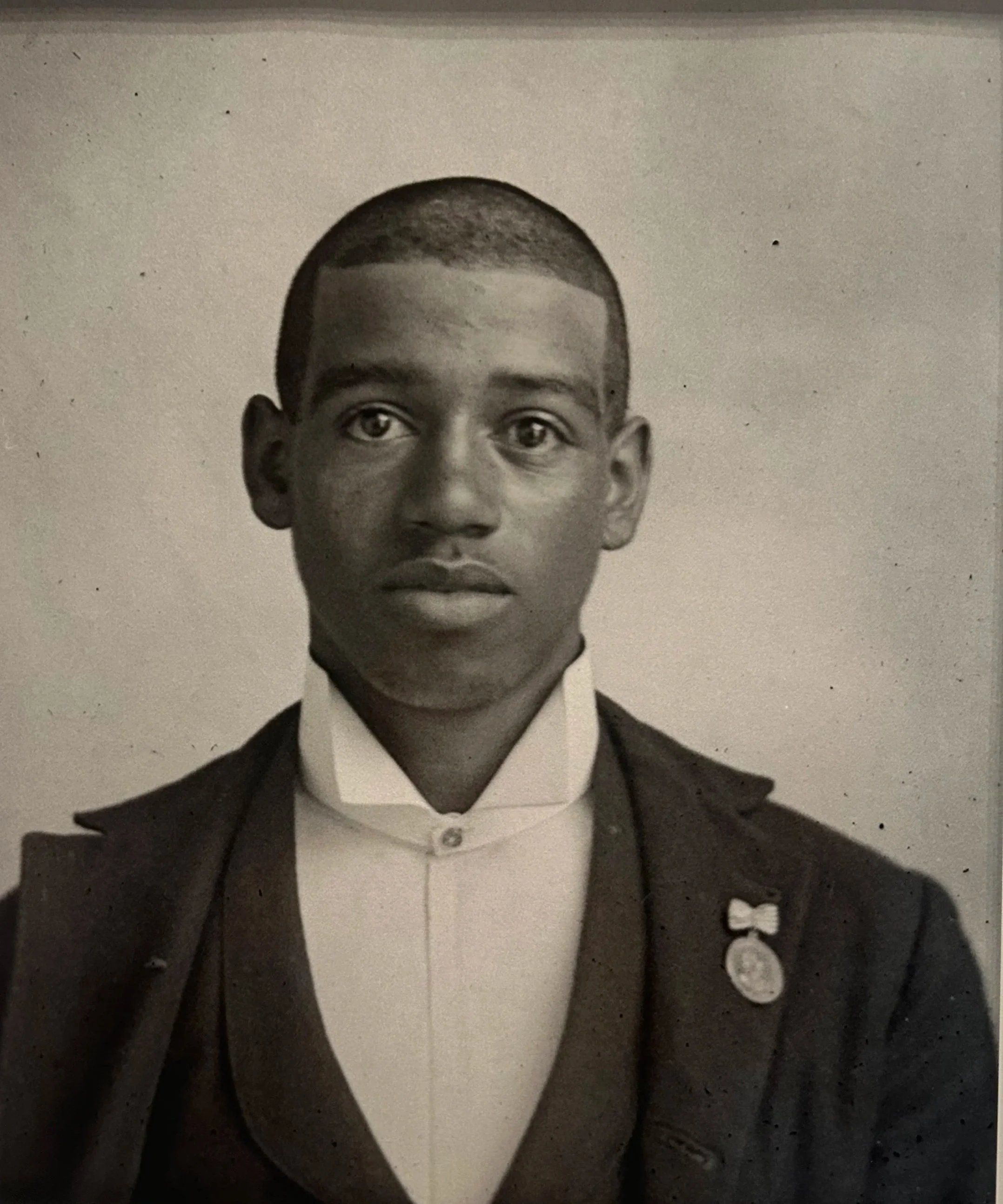


For Black audiences, Monuments invites both pain and affirmation. It acknowledges the distortion of our histories while highlighting how Black contemporary artists, such as Karon Davis, Hank Willis Thomas, and Kara Walker, among others, reclaim public space through reinterpretation and imagination. Kara Walker’s reinterpretation of a Confederate monument in "Unmanned Drone" at The Brick effectively transforms trauma into testimony. This work asserts that America's monumental landscape has long reflected its racial hierarchies. It highlights the importance of rewriting these disrupted truths and myths in a significant way to engage in a cultural contest against the narratives rooted in apartheid.

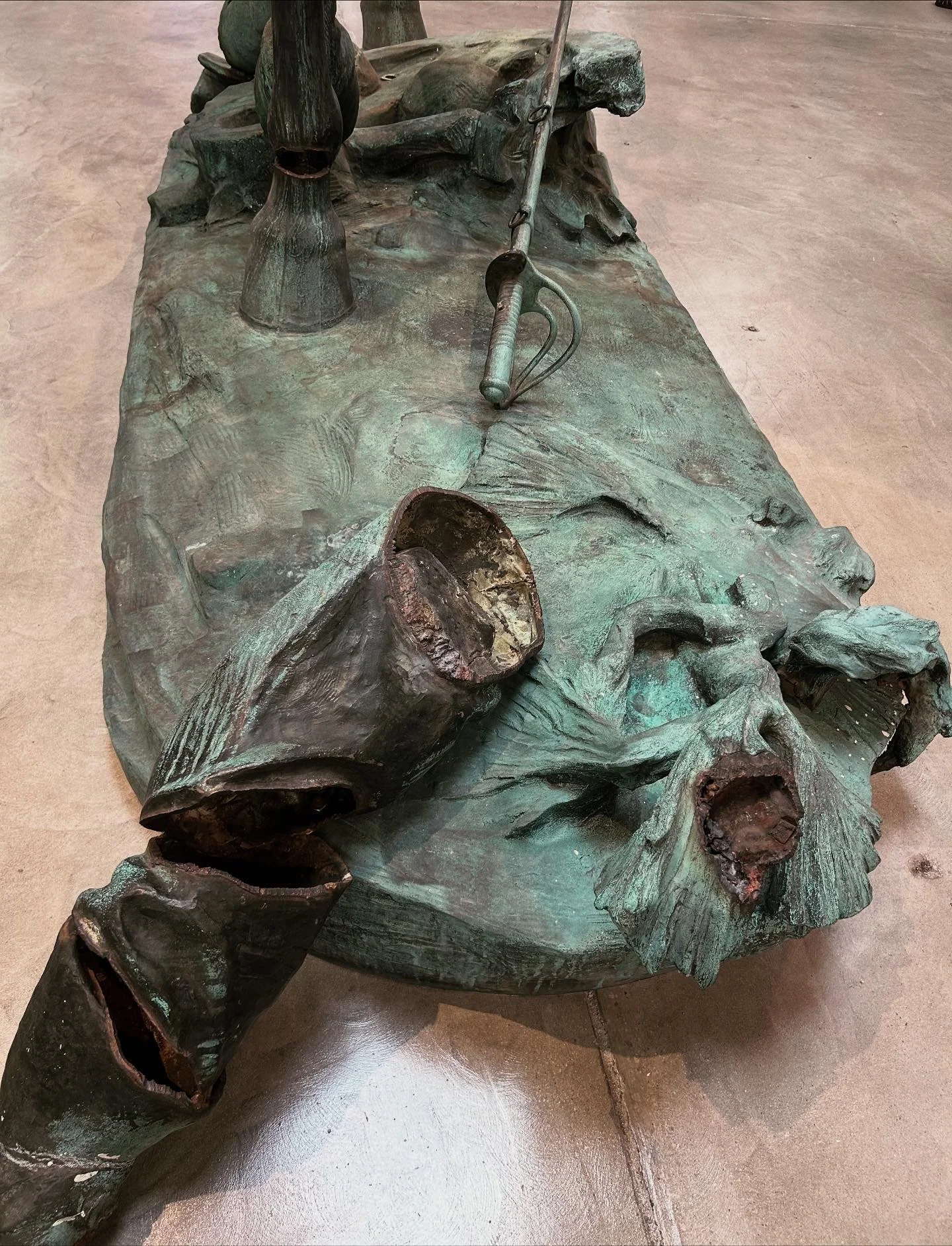


White audiences, too, appeared visibly unsettled and intrigued by the exhibition at both locations. Many encountered, perhaps for the first time, how little the Civil War and Reconstruction are taught in American schools. Studies show that fewer than 8 percent of U.S. high school seniors identify slavery as the central cause of the Civil War, and fewer than half study Reconstruction at all. This educational gap sustains a selective national memory, where Confederate heroes are still honored more often than those who fought for freedom and democracy in the Union, especially the formerly enslaved Africans. Reports from 2022 to 2025 indicate that over 2,000 public symbols of the Confederacy remain standing across the U.S., including monuments, markers, schools, parks, and street names.
Exhibitions like Monuments help fill that void. They position museums as sites of civic accountability rather than aesthetic distance. The inclusion of works such as Hank Willis Thomas’s "A Suspension of Hostilities," a homage to the Duke of Hazzard’s car, which critiques pop culture’s casual embrace of Confederate symbols, underscores how these myths seep into everyday American life, specifically, America’s living rooms.
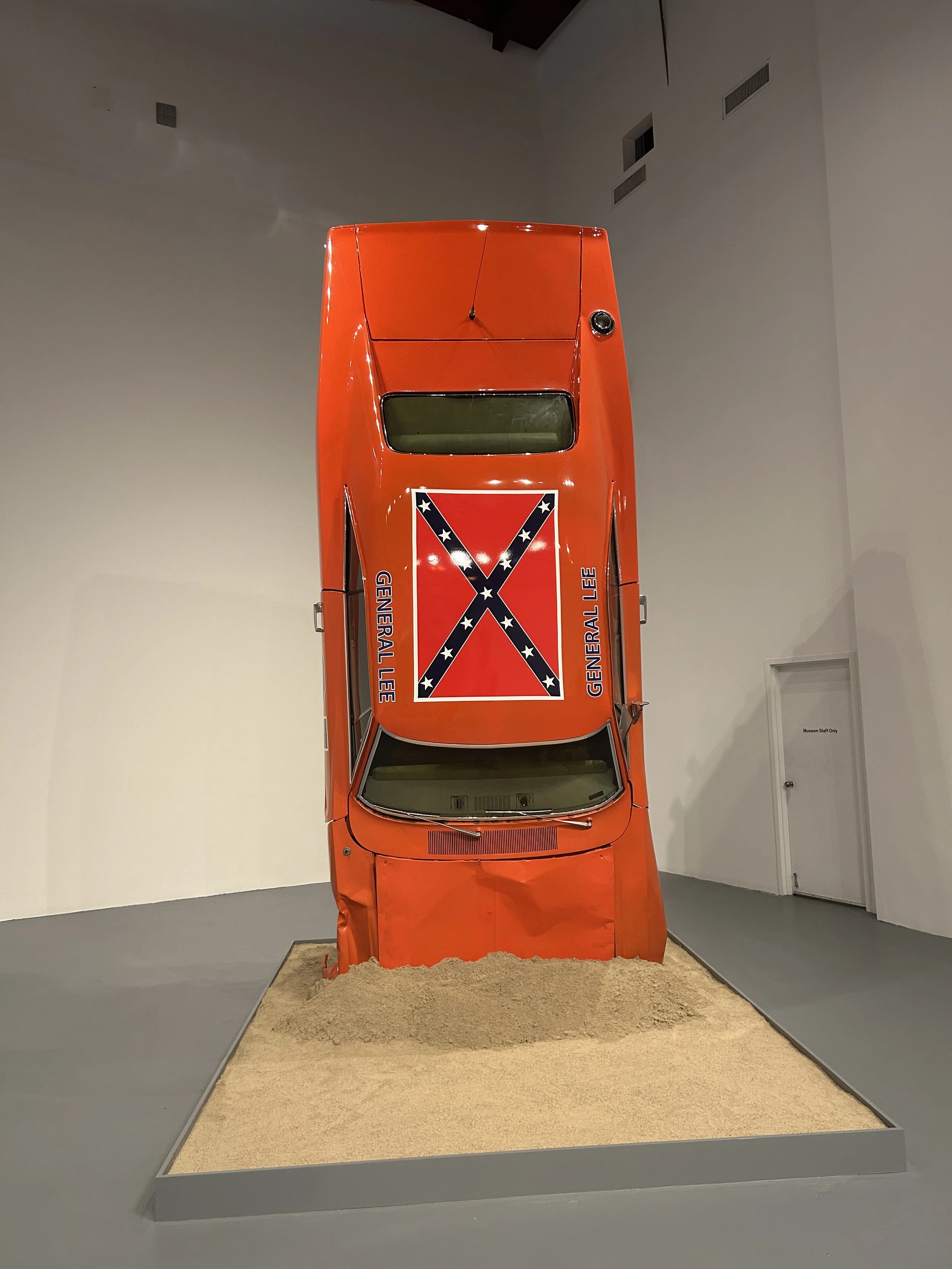
A Suspension of Hostilities, 2019 by Hank Willis Thomas
As our founder, chief curator, and historian, Tyree Boyd-Pates, reflected while viewing the exhibition, we are living through what can only be described as a cultural civil war. Inspired by Ta-Nehisi Coates’s We Were Eight Years in Power and The Message, Tyree noted that this cultural conflict is fought not through cannons or muskets, but through media, monuments, censored books, and the meaning itself. Each cultural battlefield, whether in galleries, classrooms, or public debates, mirrors past skirmishes and foreshadows future ones. The stakes are no longer just historical; they are existential, and that battleground is unfolding as we speak.
For NOMMO, Monuments affirms why cultural strategy matters. It demonstrates that the contest over national identity is not abstract; it is visual, emotional, and ongoing. The myths of the Confederacy have not disappeared; they have evolved into new forms. To confront them requires more than artistic interpretation. It demands collective reeducation and a willingness to build new monuments that honor truth, resilience, and the unfinished project of American freedom.
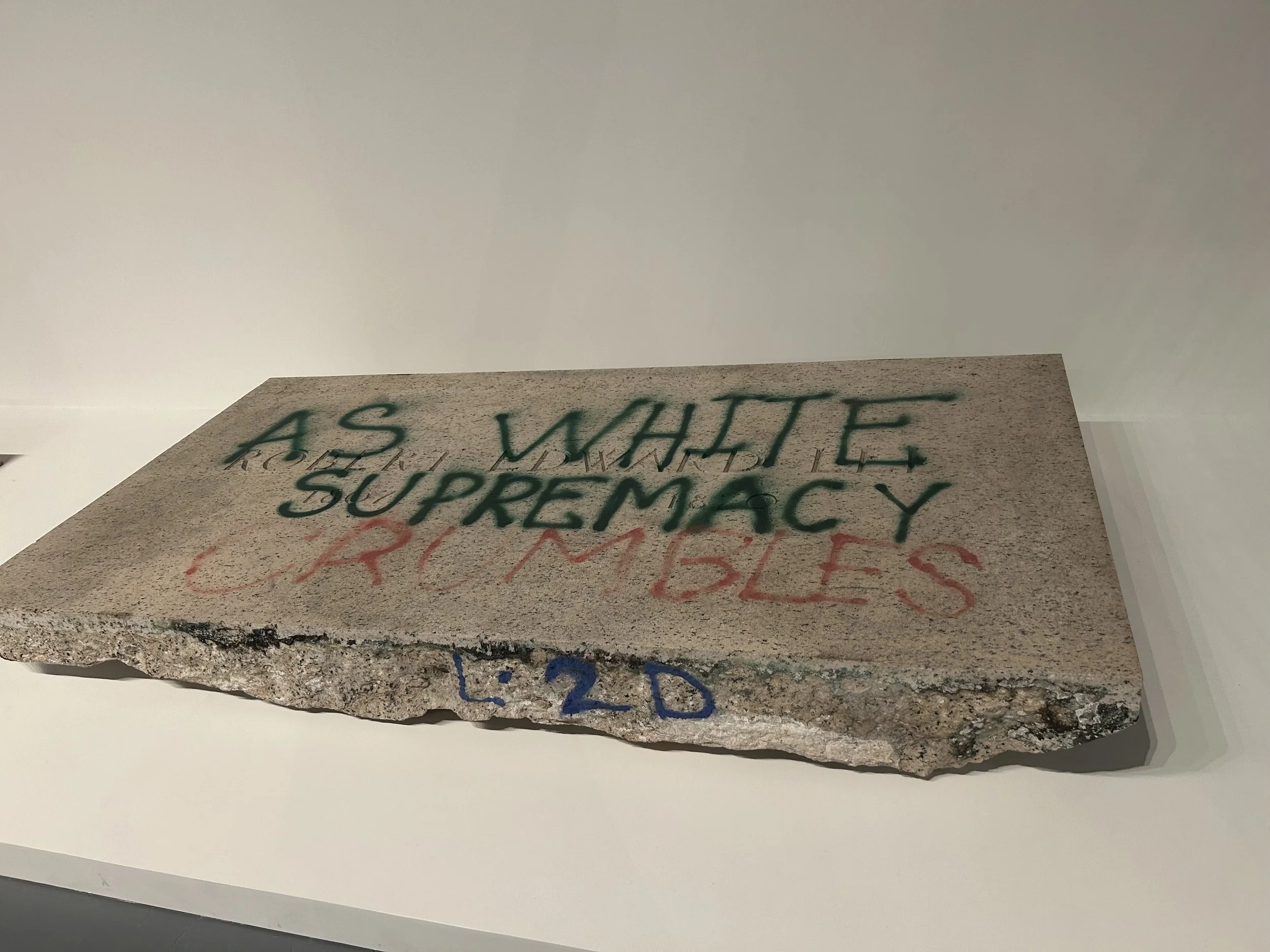
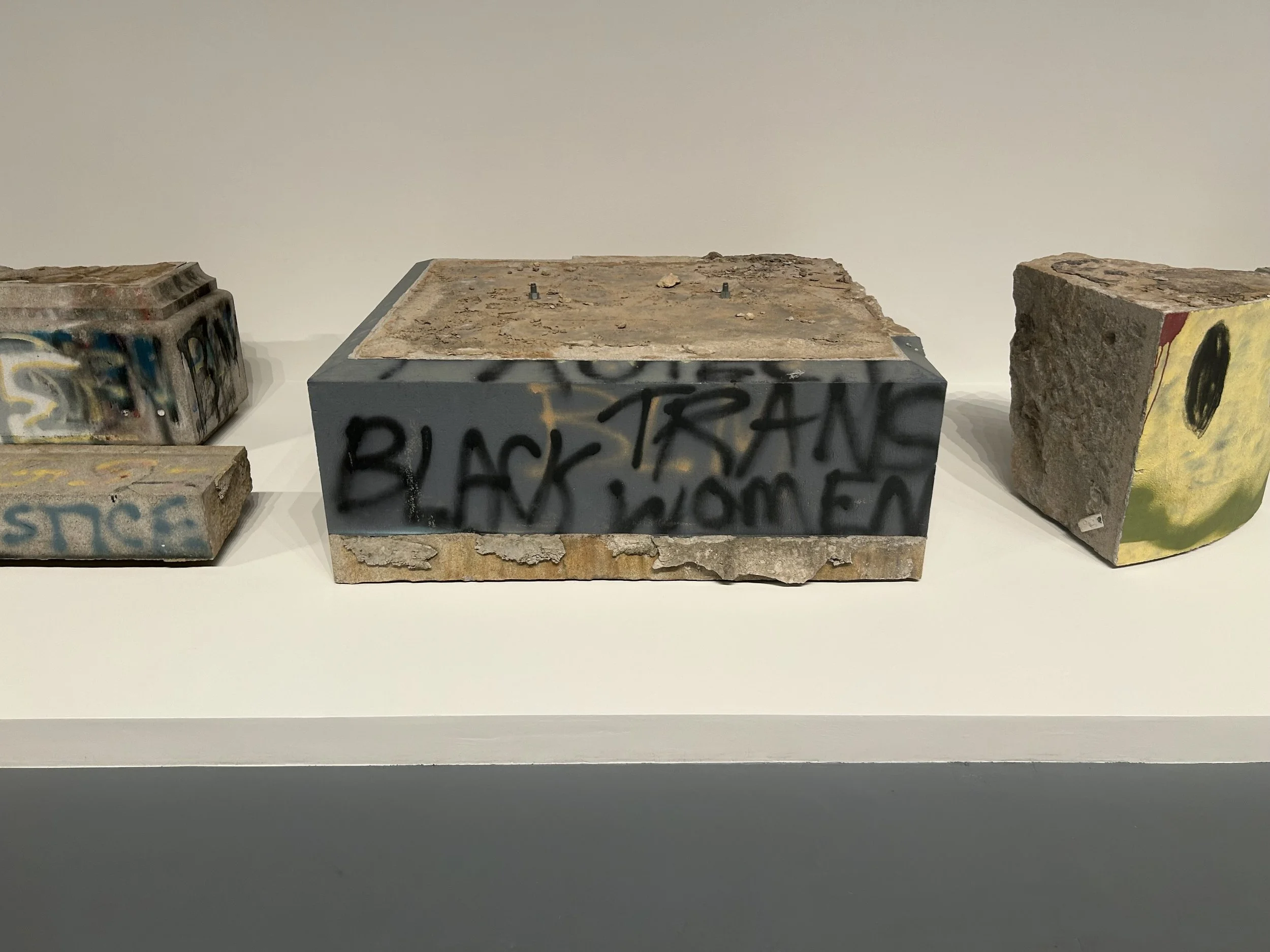
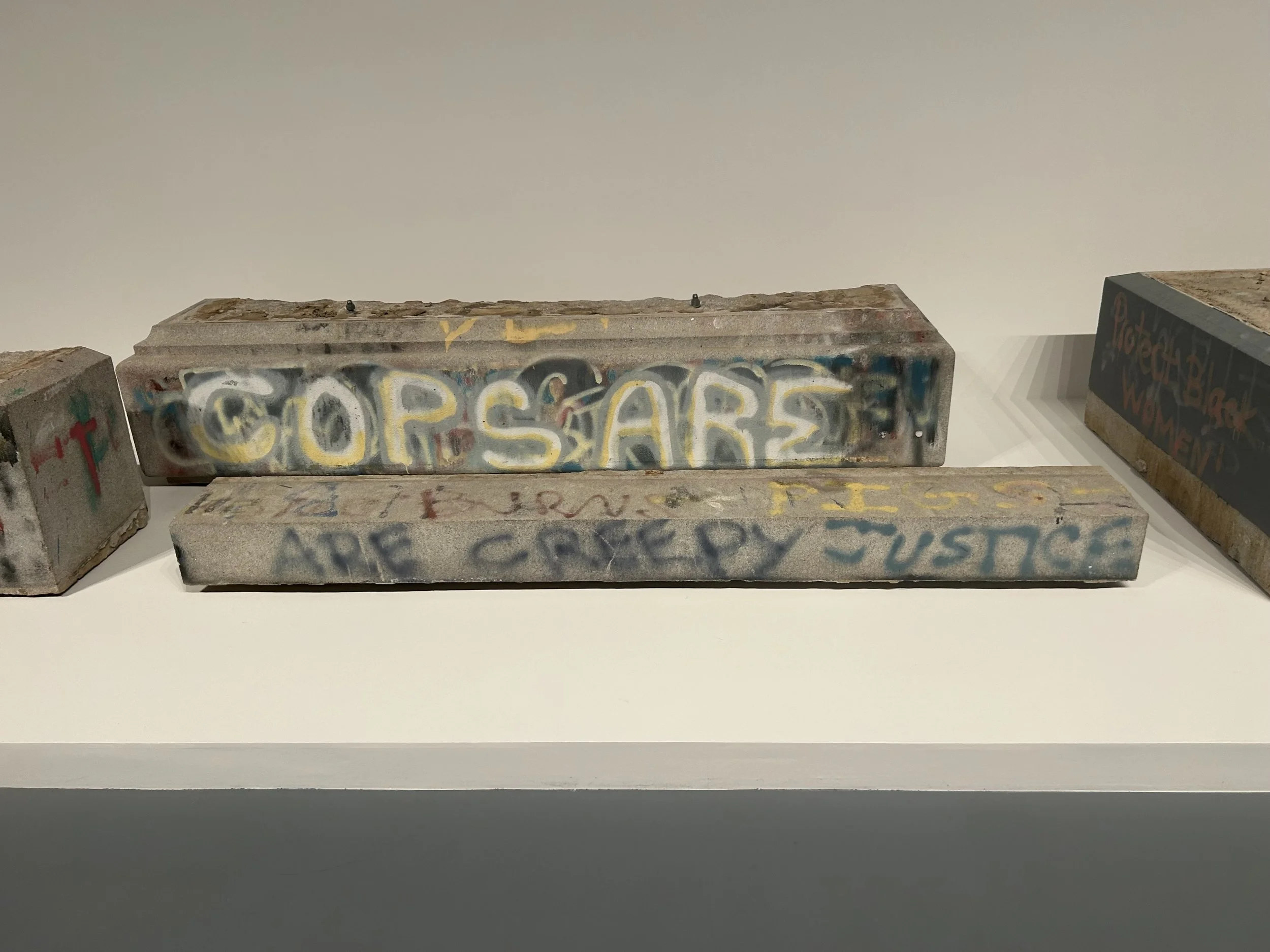
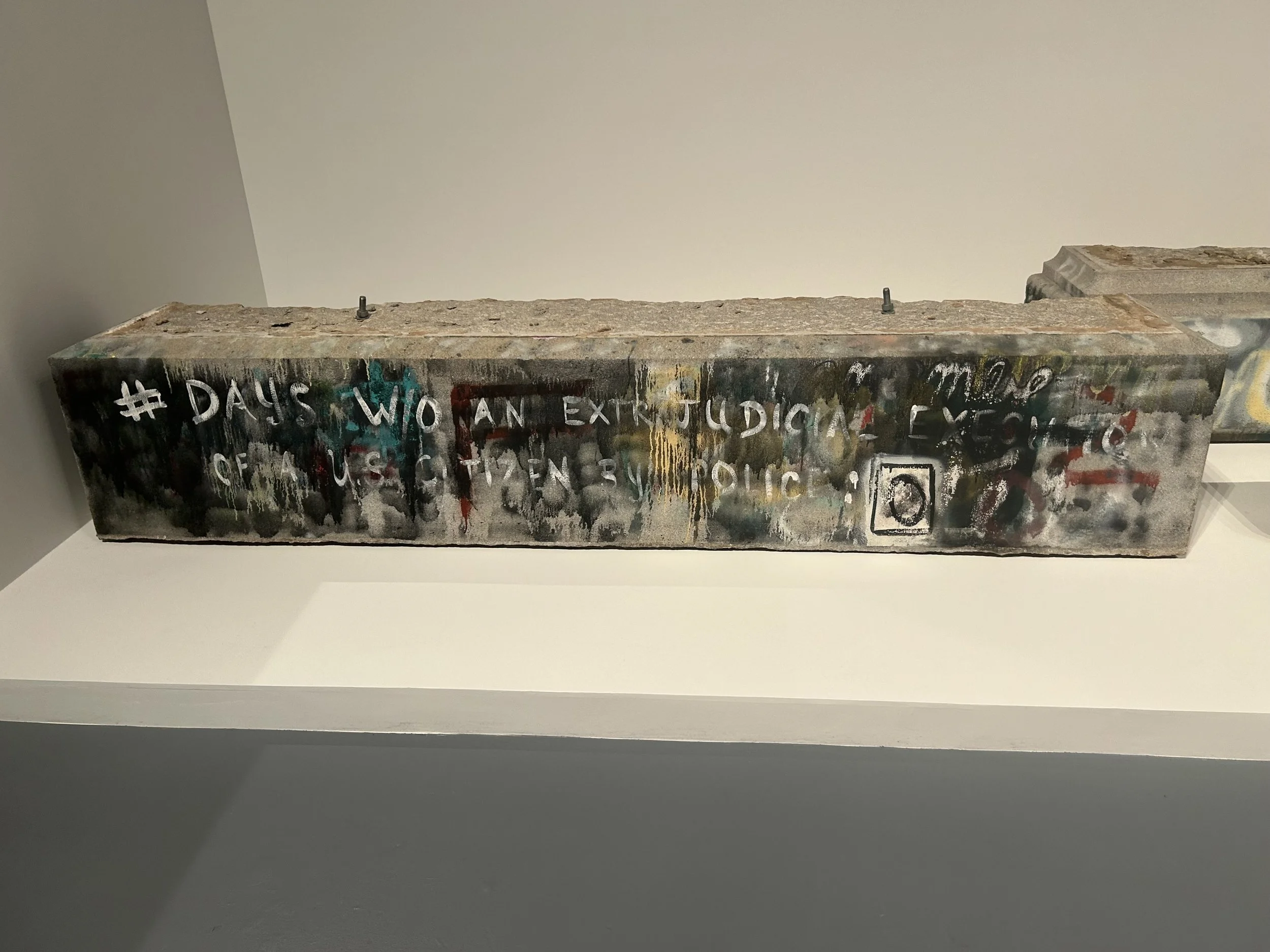
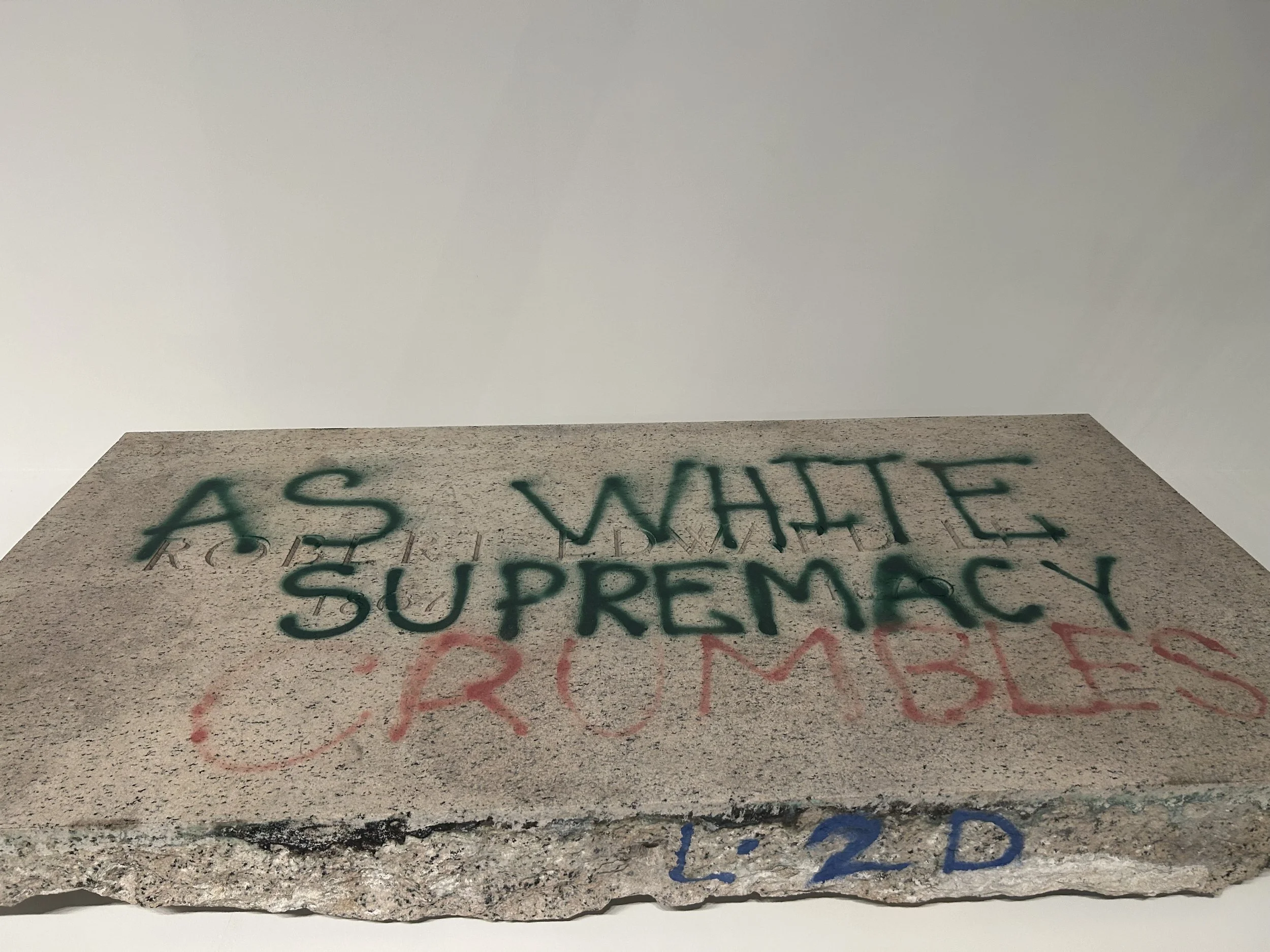
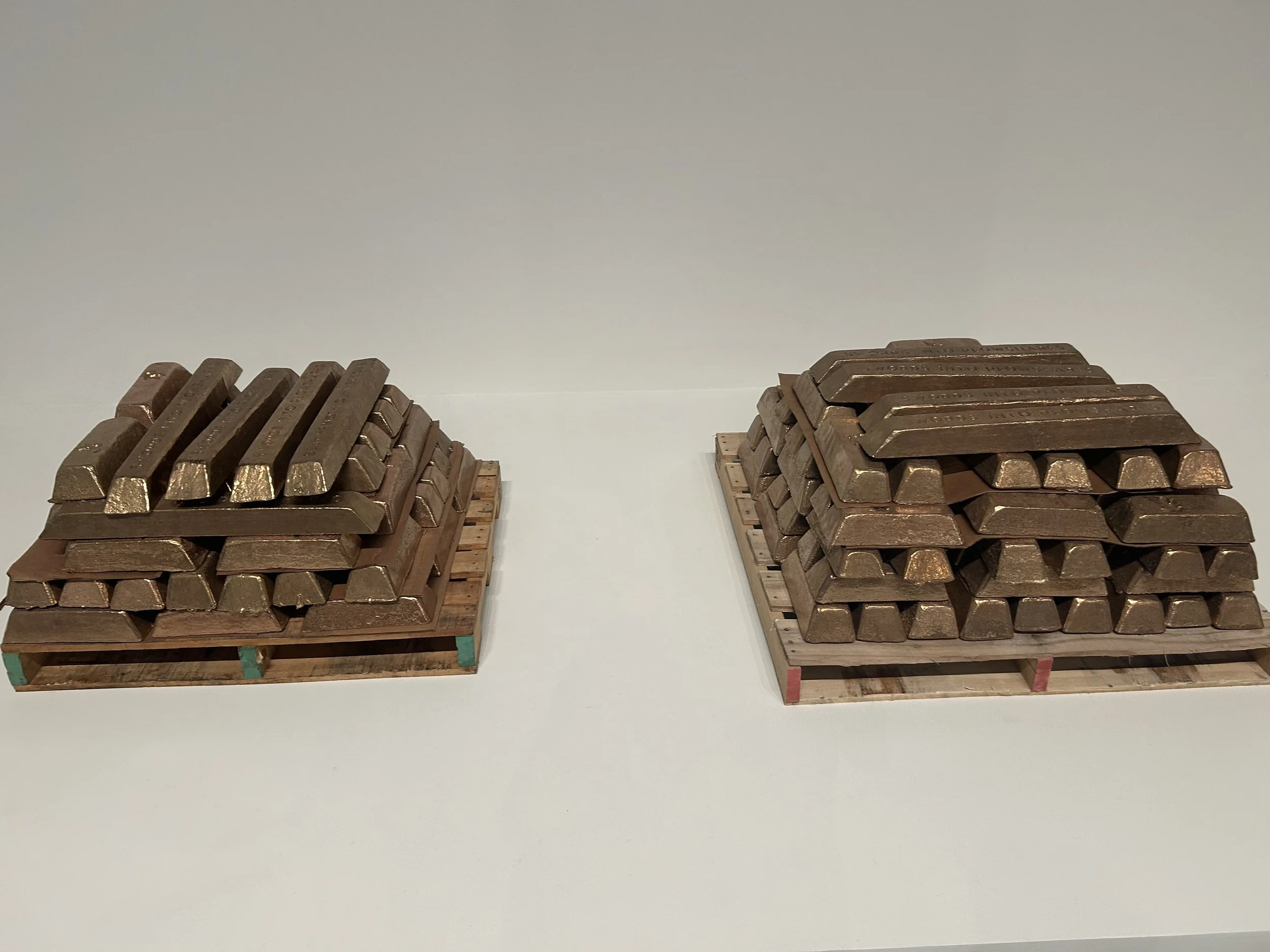
As Los Angeles continues its own reckoning with race and remembrance in preparation for the 34th anniversary of the LA Uprising in 2026, Monuments offers a blueprint for how museums and cultural institutions can become active agents in shaping public memory. It challenges us to ask three key questions: What monuments still exist within our periphery, and which deserve to be toppled or reimagined? How can we ensure that the next generation inherits symbols of liberation rather than domination?
In this moment of cultural fracture and the reinstallation of toppled Confederate monuments by our federal administration, MOCA and The Brick’s Monuments remind us that the stories we preserve determine the futures we imagine. The war for America’s memory is not behind us; it is happening right now, in the galleries, classrooms, and creative spaces where truth and myth still collide.
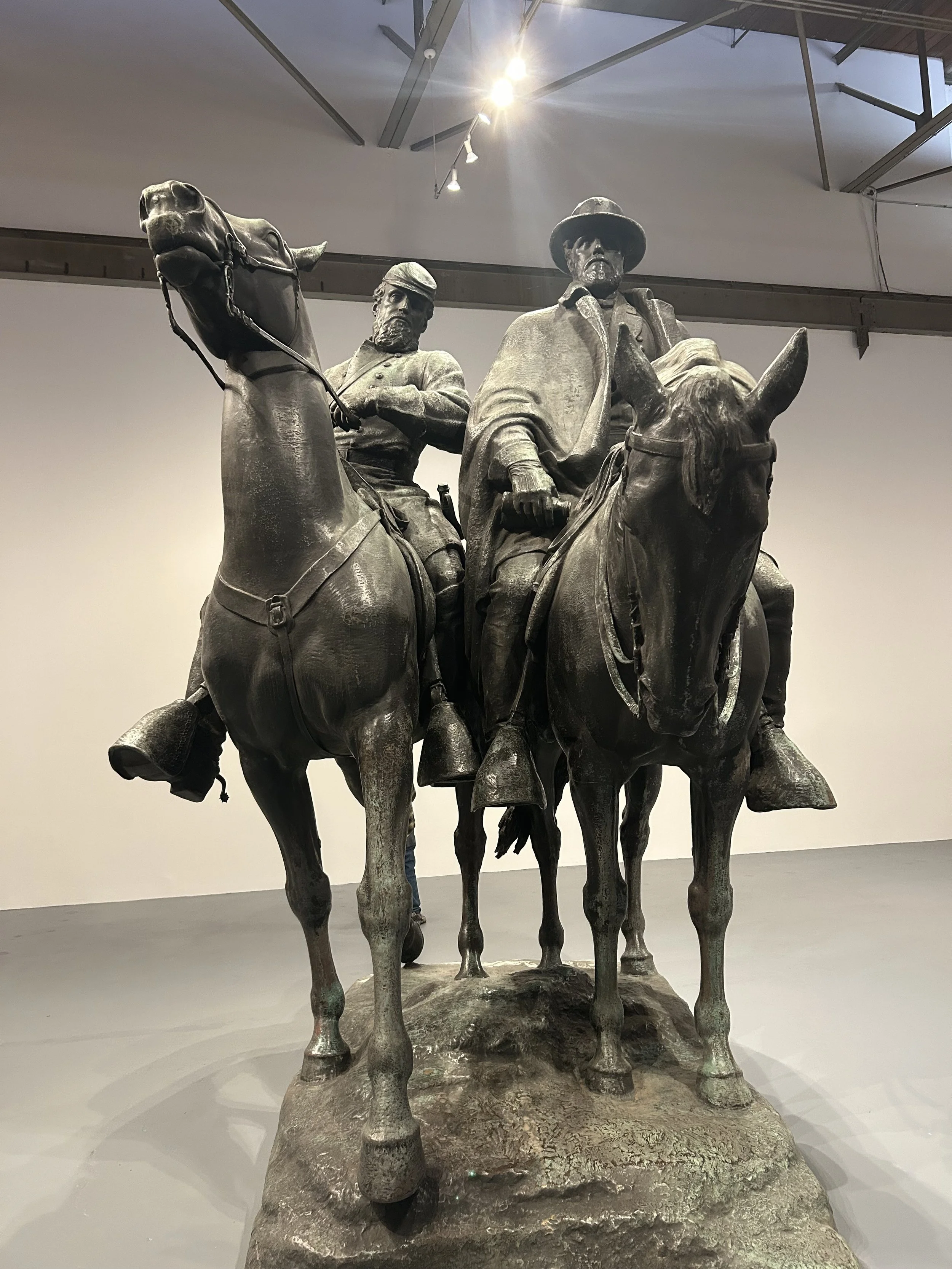
Stonewall Jackson and Robert E. Lee Monument
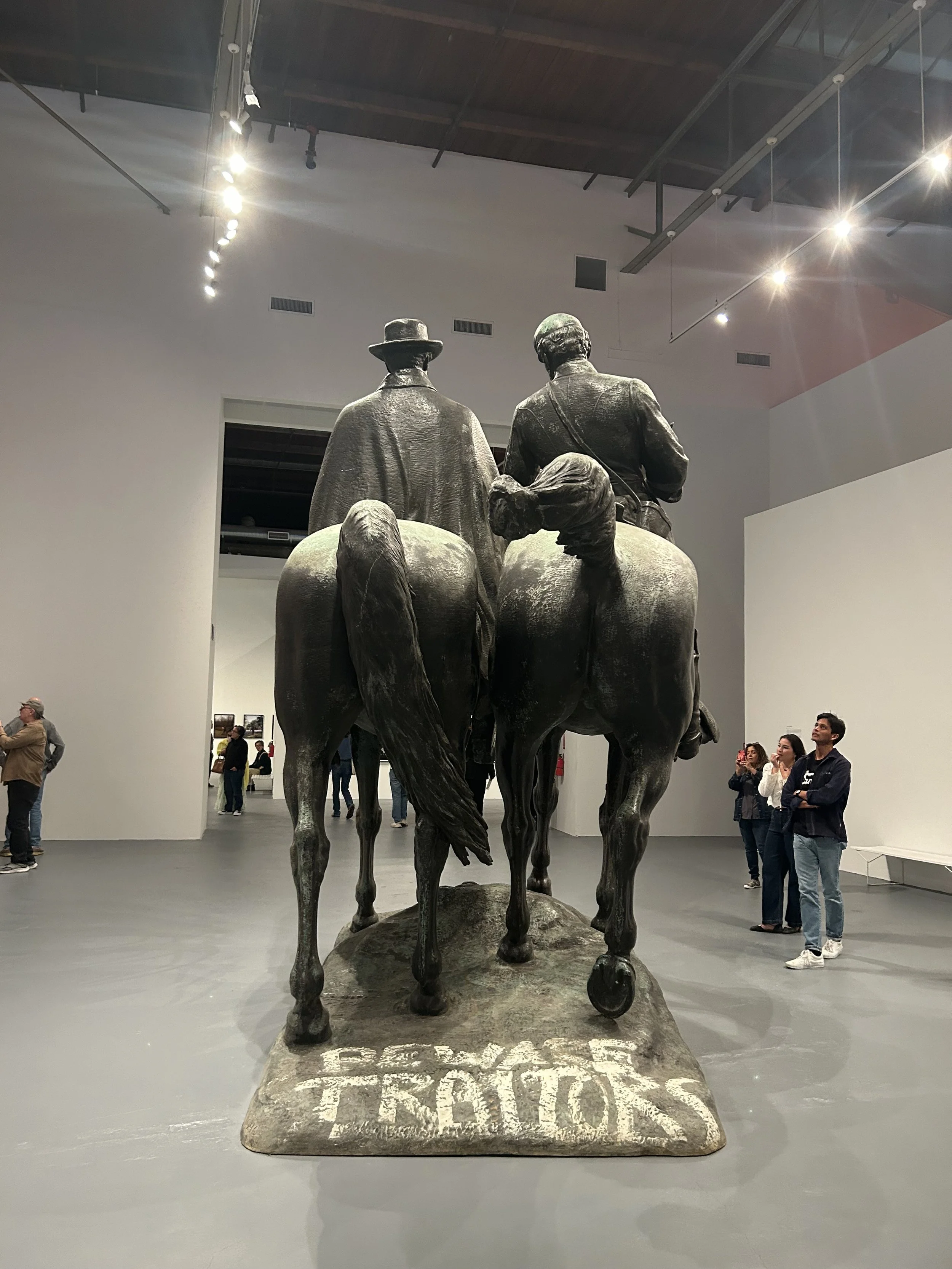
Stonewall Jackson and Robert E. Lee Monument