

Field Notes: Excavating Black Mobility and Memory at the Los Angeles Public Library
This year, NOMMO has established a new partnership with the Los Angeles Public Library and the Library Foundation of Los Angeles as part of the Centennial celebration of the Central Library in Downtown Los Angeles.
Through this collaboration, NOMMO is utilizing the Library’s collections to host a series of public programs, conversations, and cultural events. These initiatives aim to explore how archives can be transformed into contemporary tools for civic engagement, focusing on African American art, history, and culture.
Rather than viewing the archive solely as a means of preservation, these programs examine how collections can serve as points of public access, facilitate historical interpretation, and promote community dialogue, particularly in relation to Black Los Angeles.
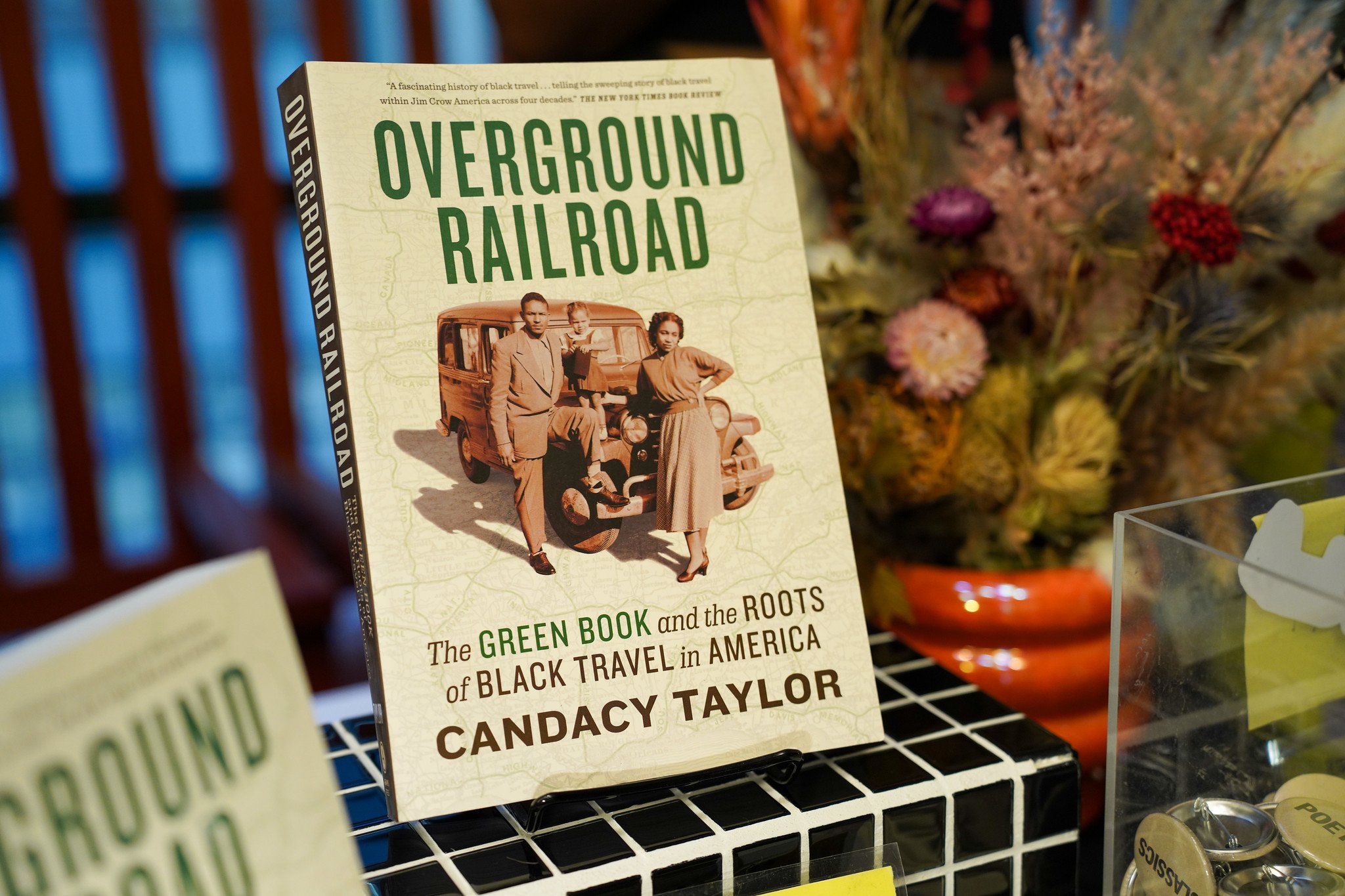
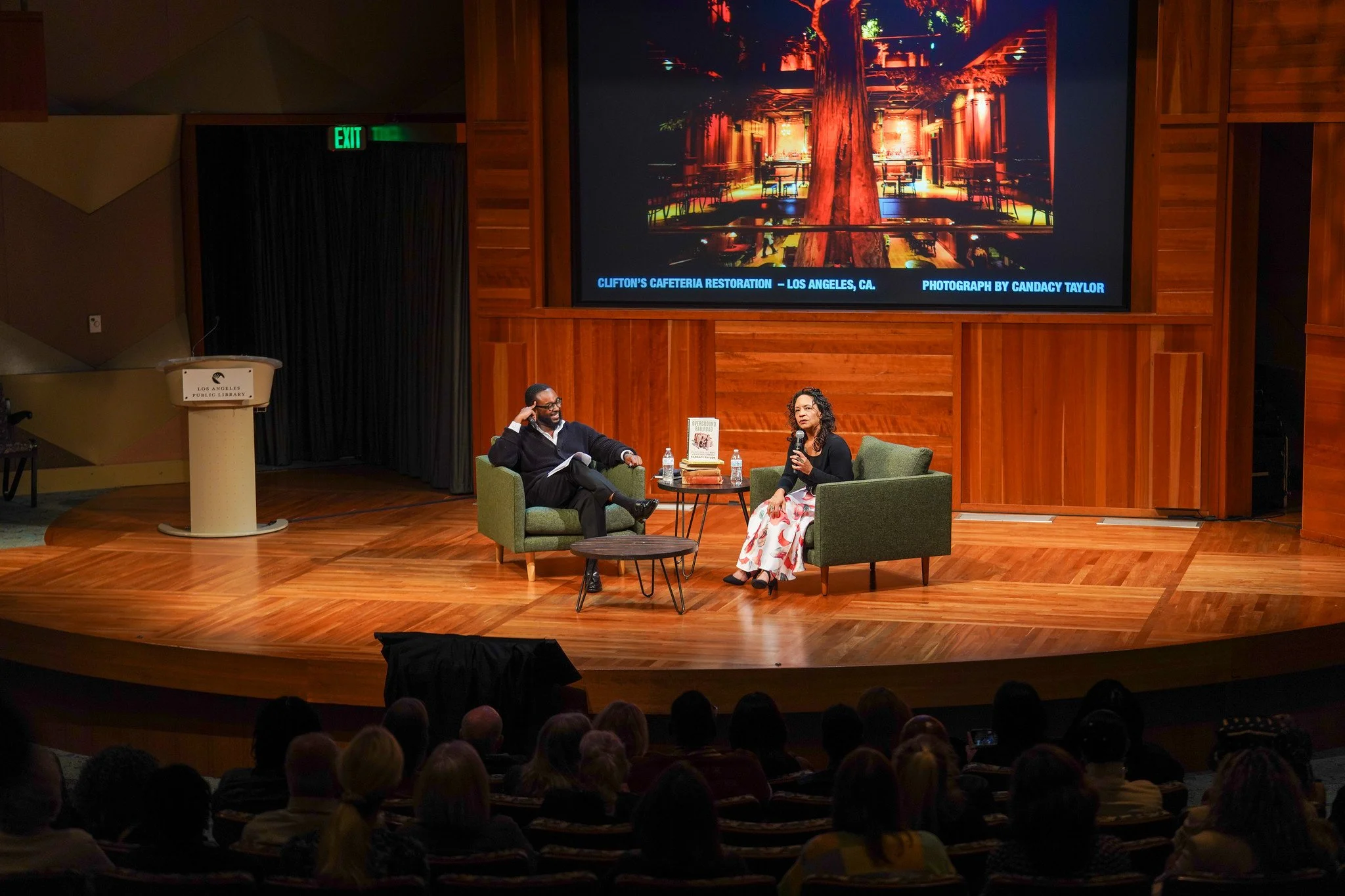
The first of these events featured cultural documentarian and author Candacy Taylor, who presented her work on the Overground Railroad and the history of the Negro Motorist Green Book.
Diving into the Archive: The Green Book Collection
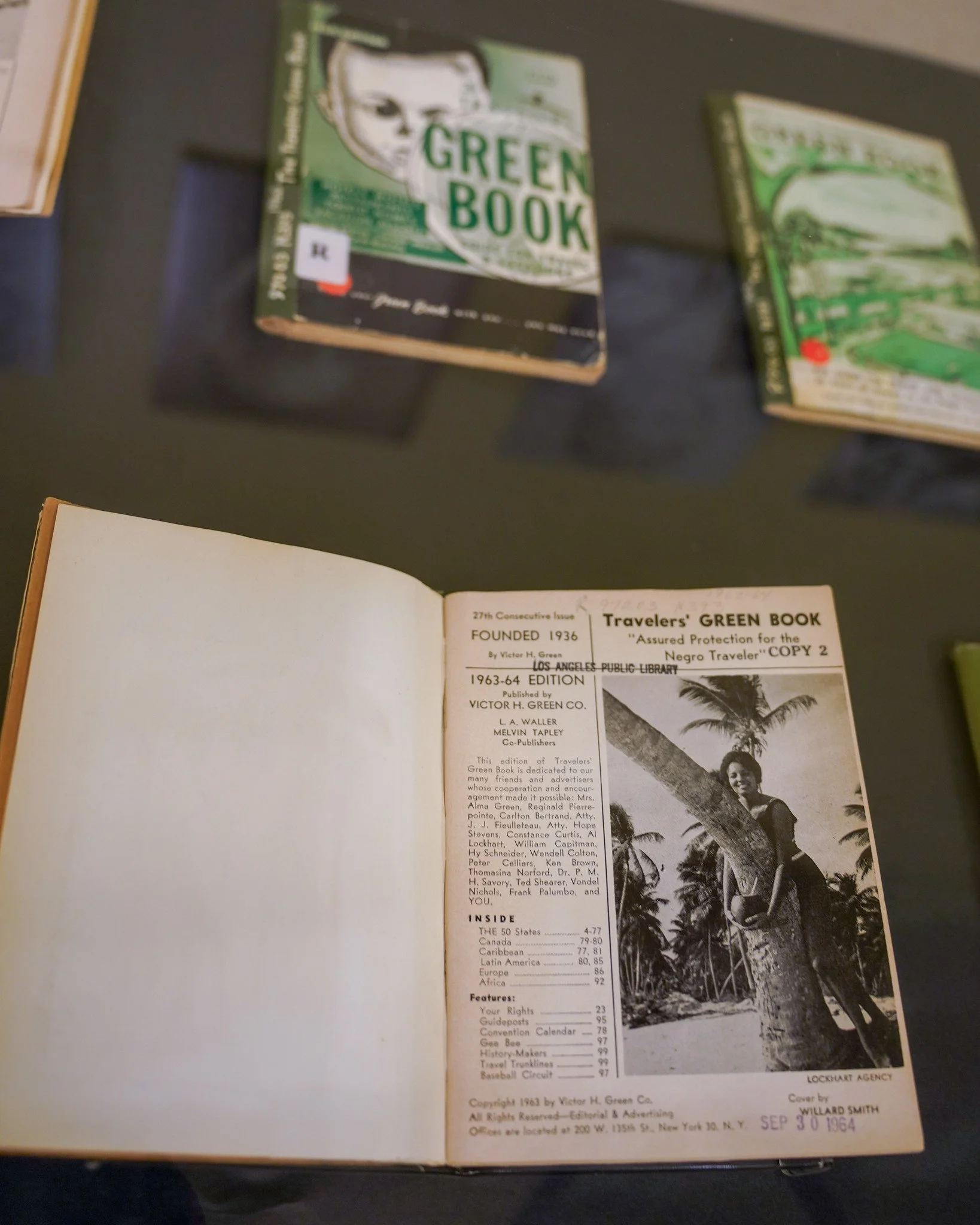
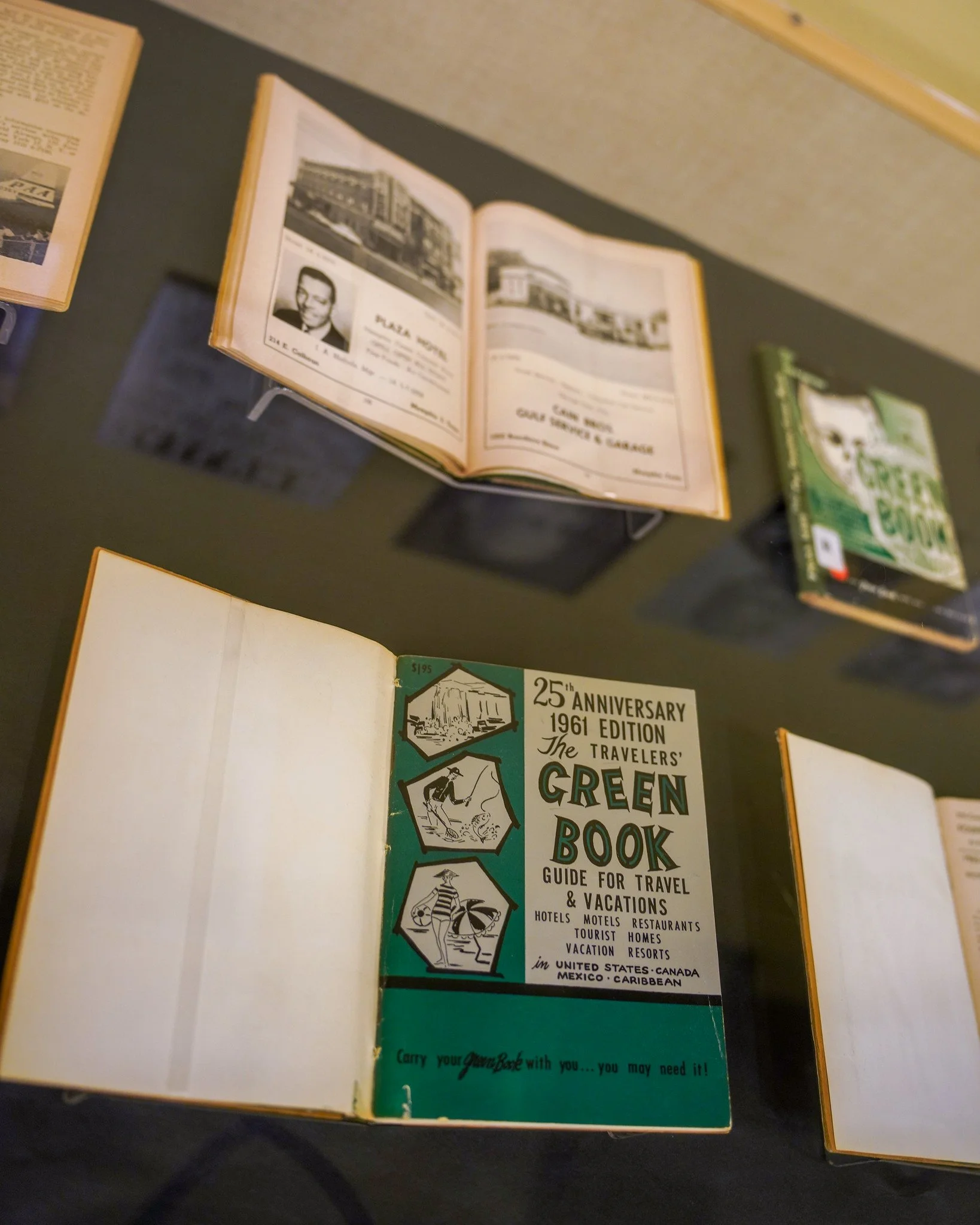
Ahead of the public program, Candacy Taylor welcomed Tyree Boyd-Pates, the founder of NOMMO, into the Los Angeles Public Library’s Green Book collection, one of the largest and best-preserved collections of its kind in the world.
Together, we explored materials related to Black travel, mobility, and leisure during the era of segregation. These materials included Green Books, travel ephemera, maps, and archival documents that reveal the infrastructure Black Americans built to navigate exclusion across the United States.
The archive provided insight into how mobility served as both a possibility and a restriction. While the Green Book is often discussed as a travel guide, the items in the collection demonstrate how it also functioned as a network of care, connecting Black travelers to businesses, neighborhoods, and spaces where their safety and dignity could be preserved.
This encounter with the archive also informed a small exhibition installation curated for the evening’s public program, translating elements of the special collections into an accessible experience for those attending the conversation.
Bringing the Green Book to the People
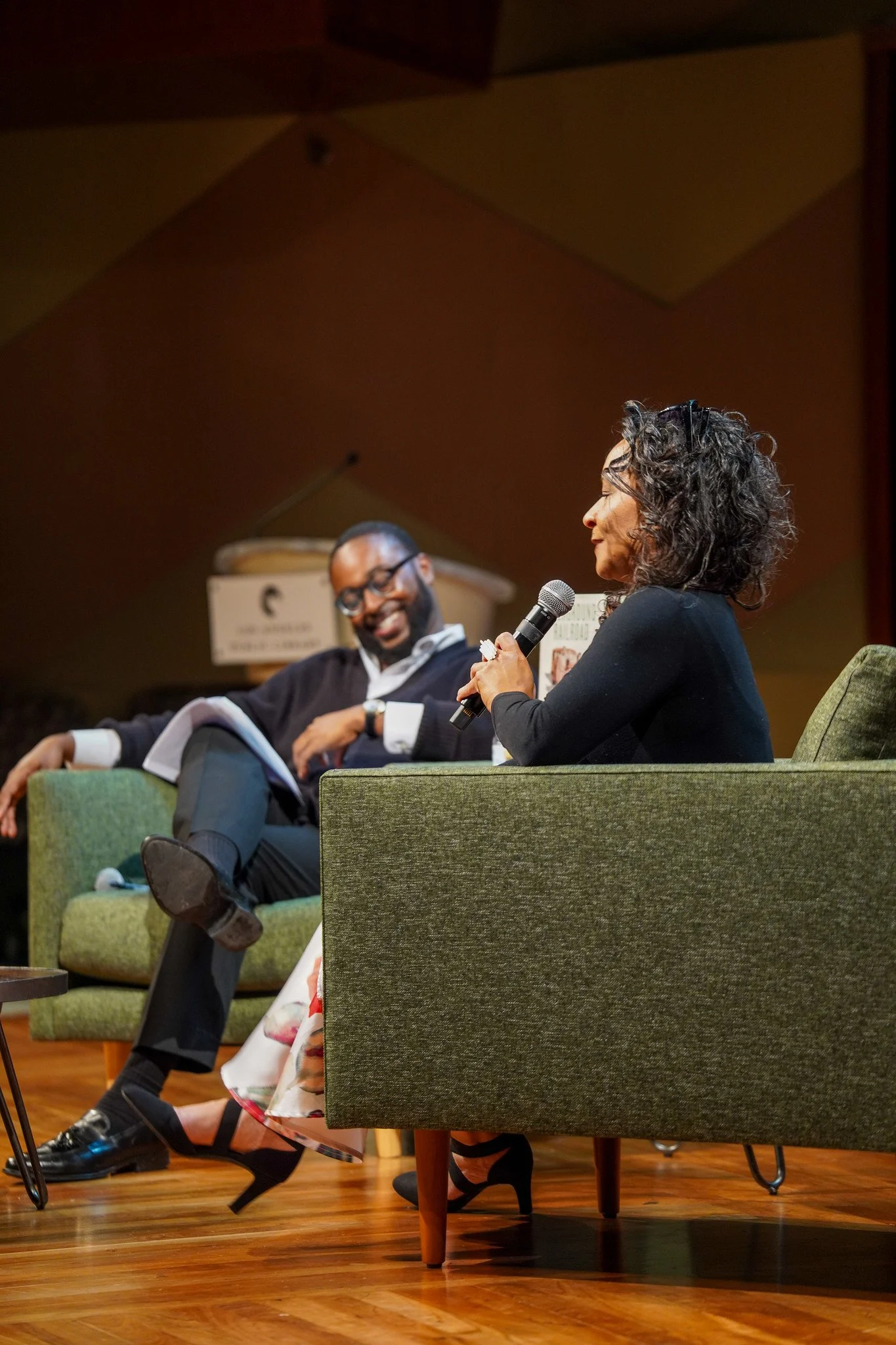
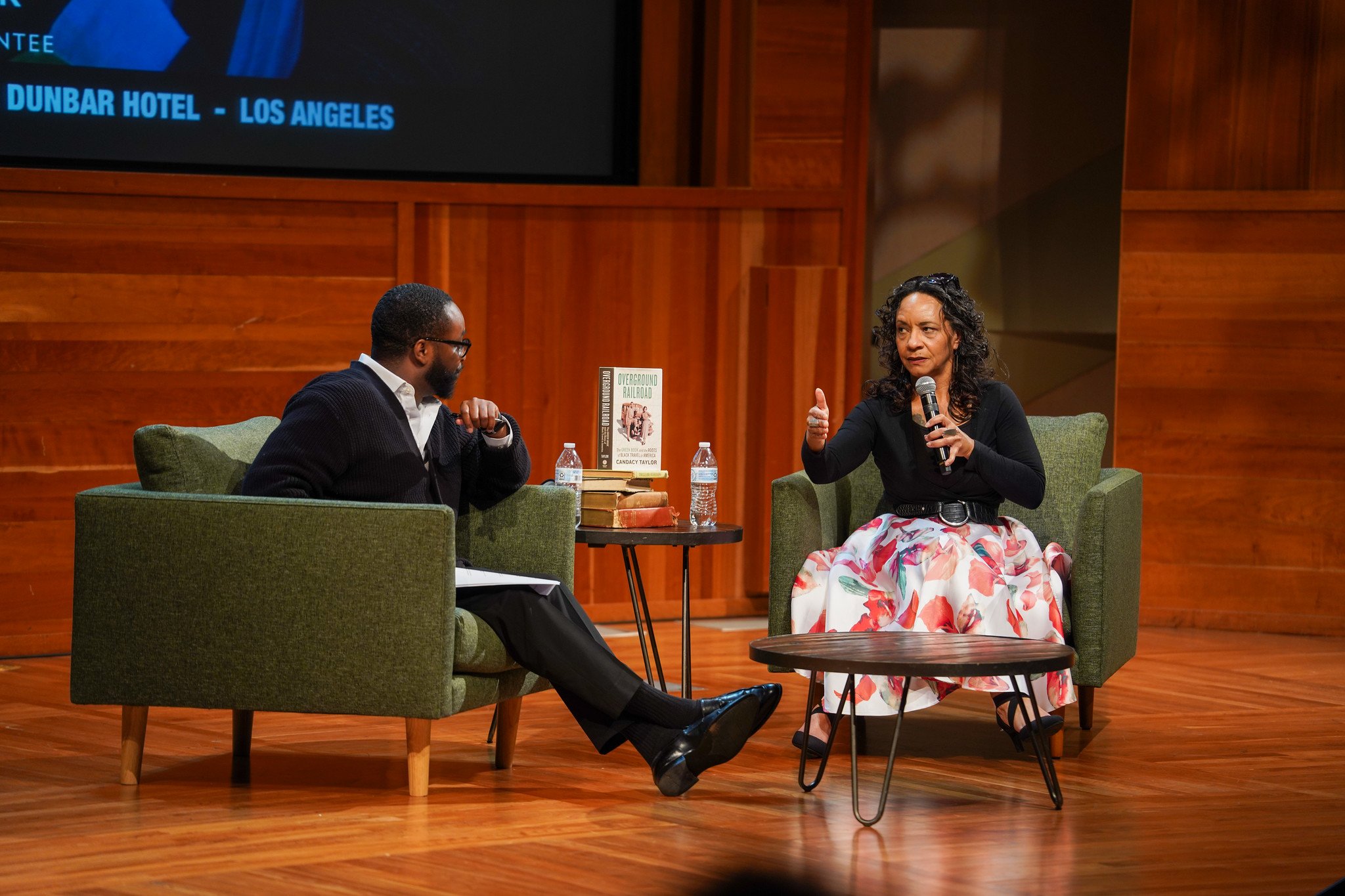
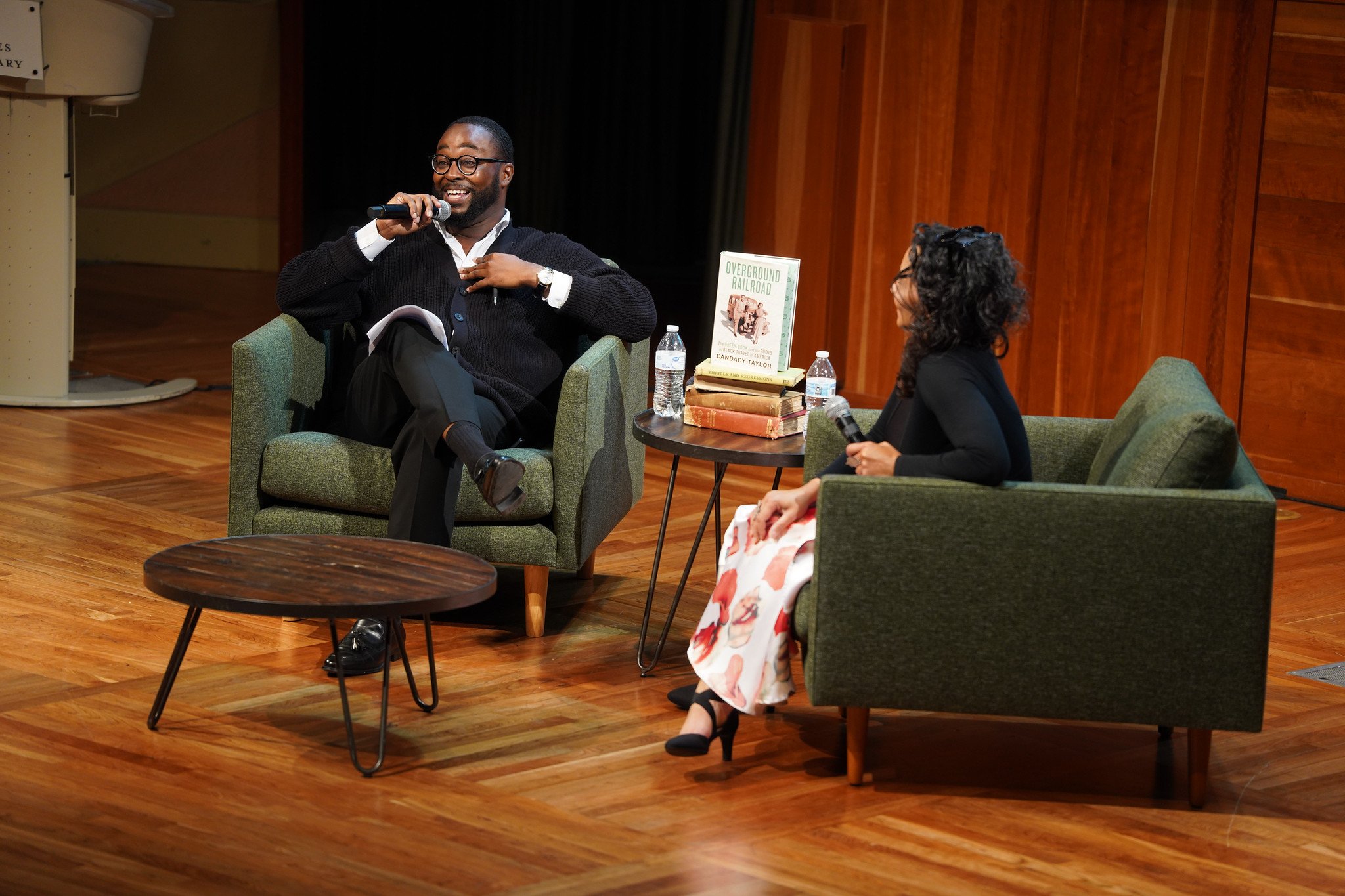
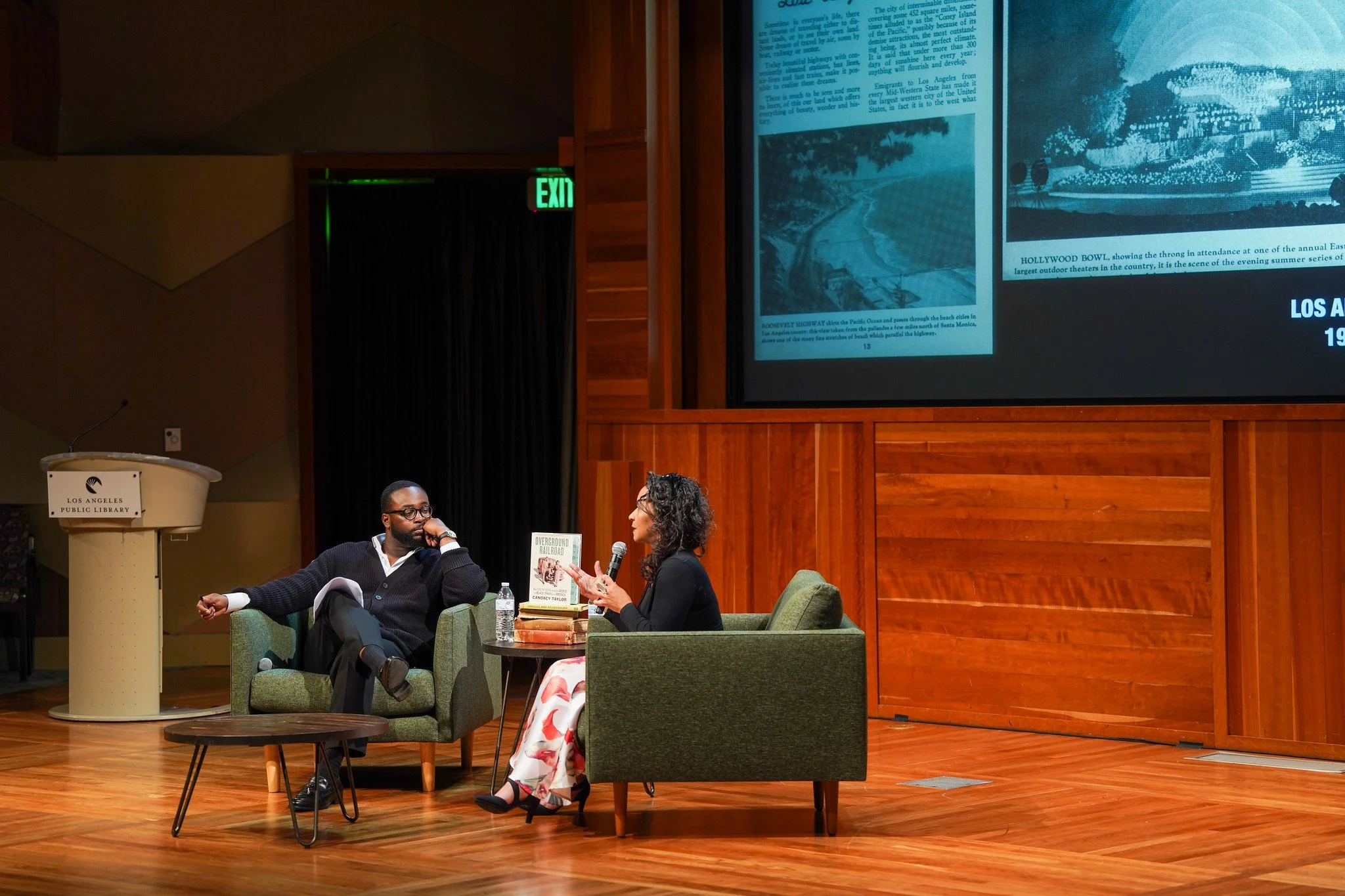
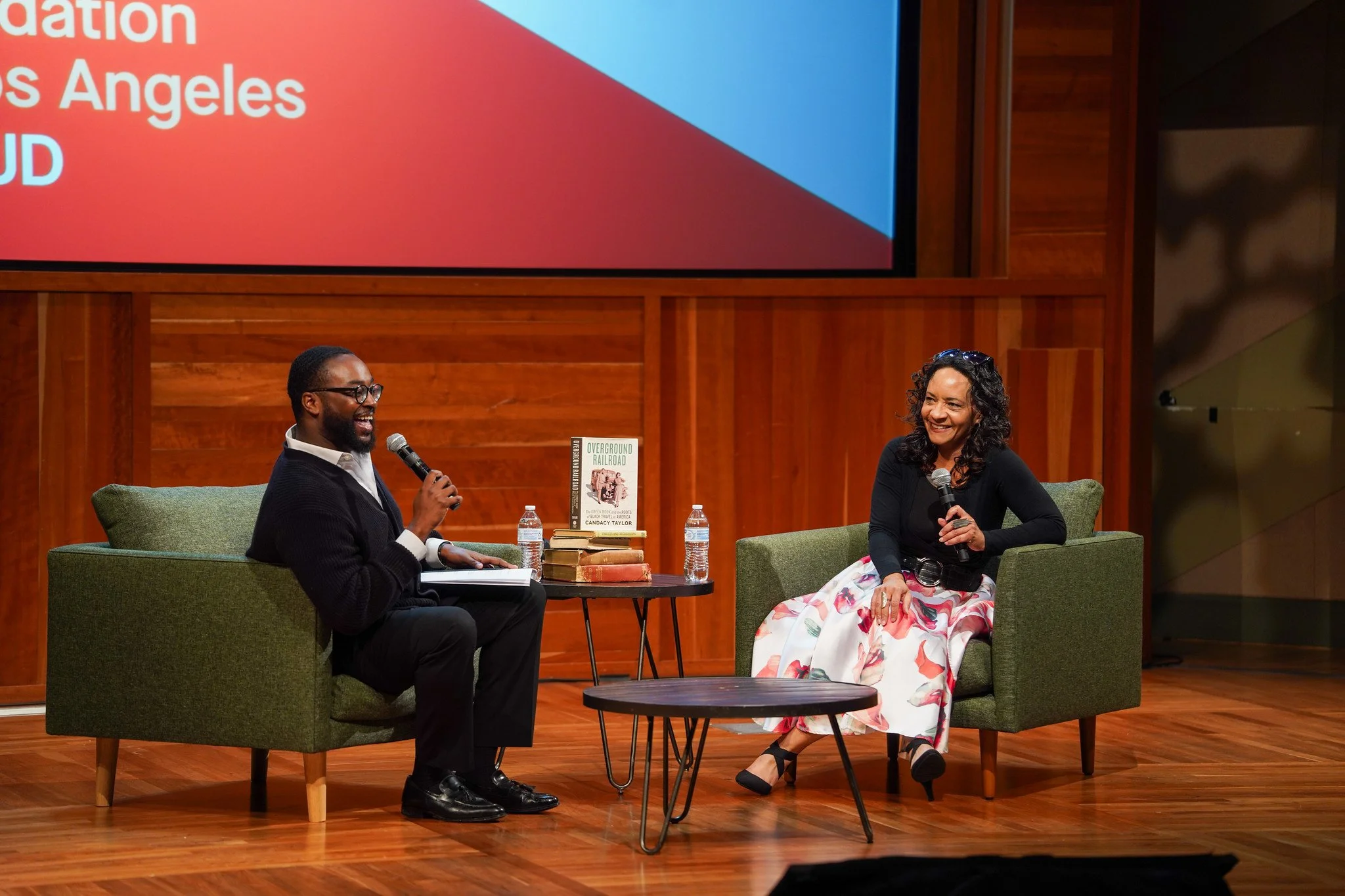
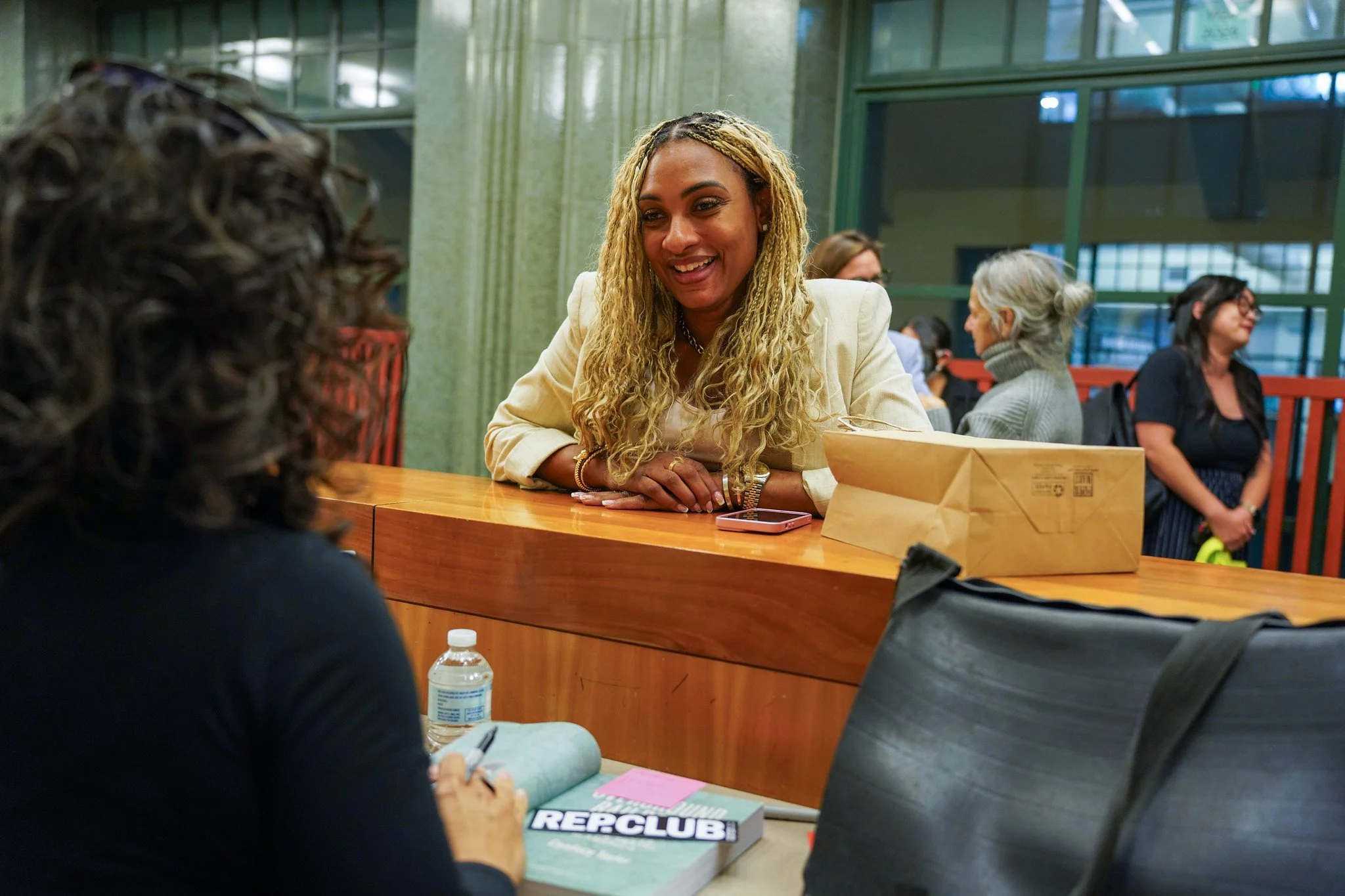
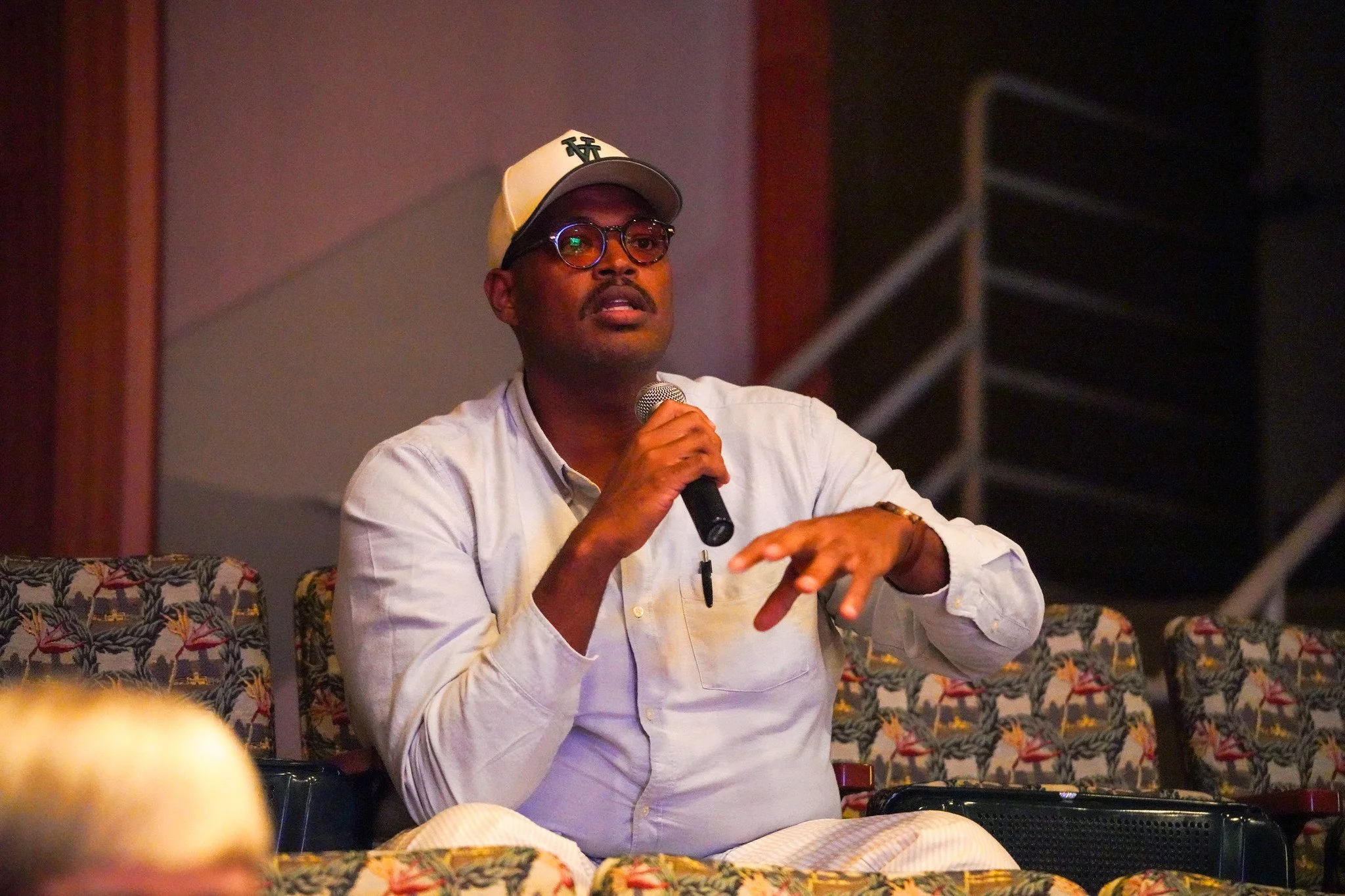
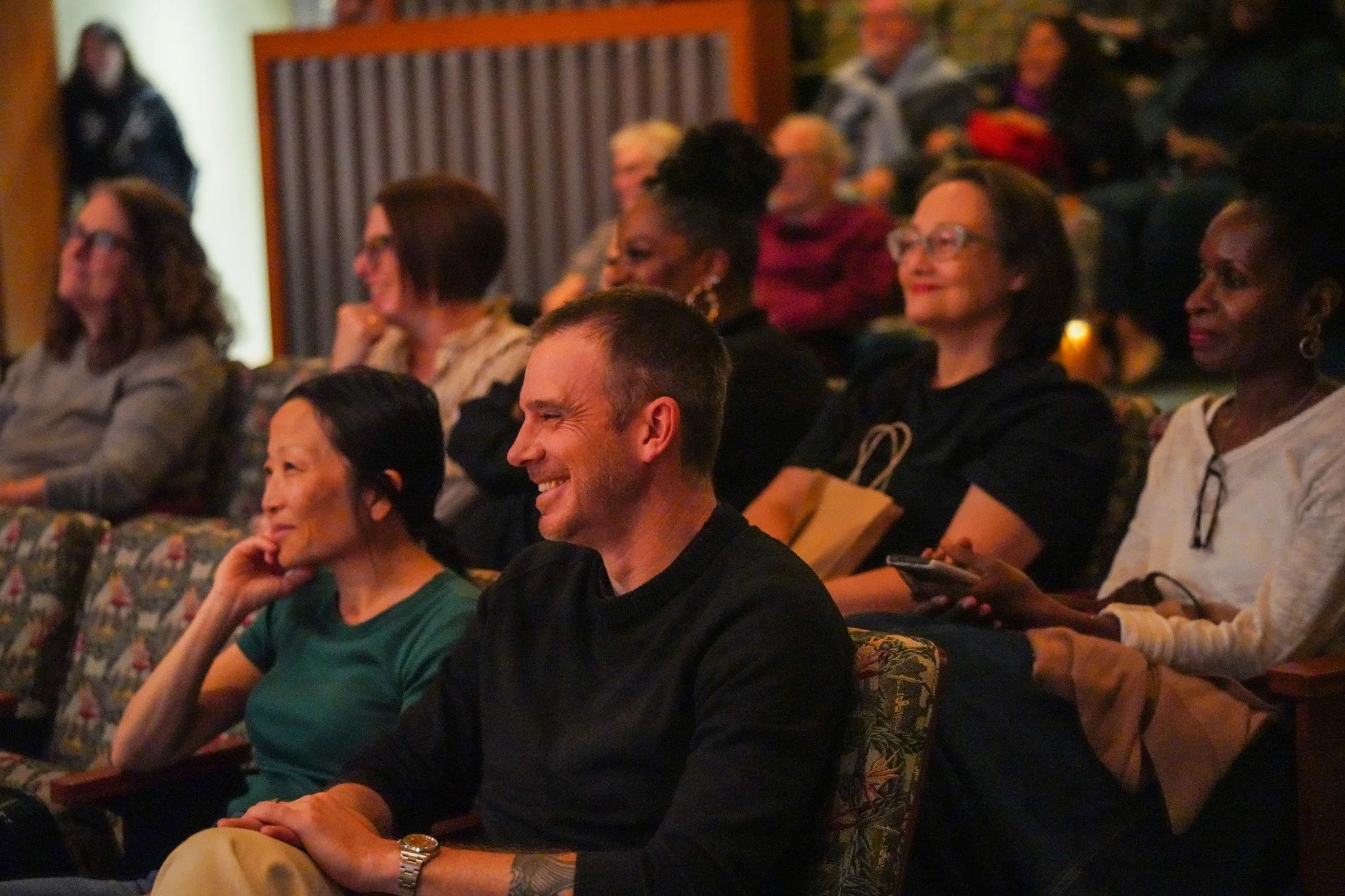
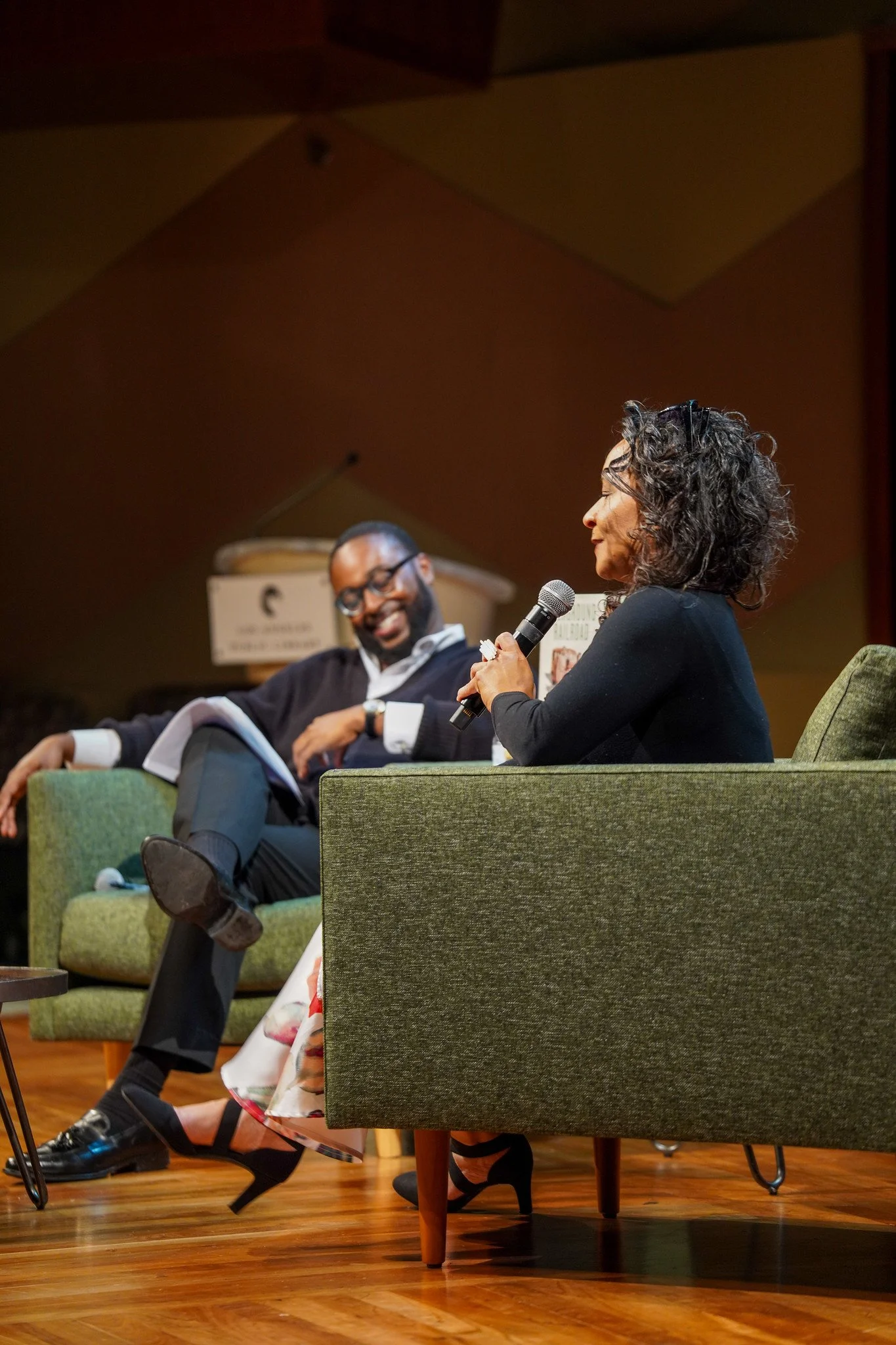
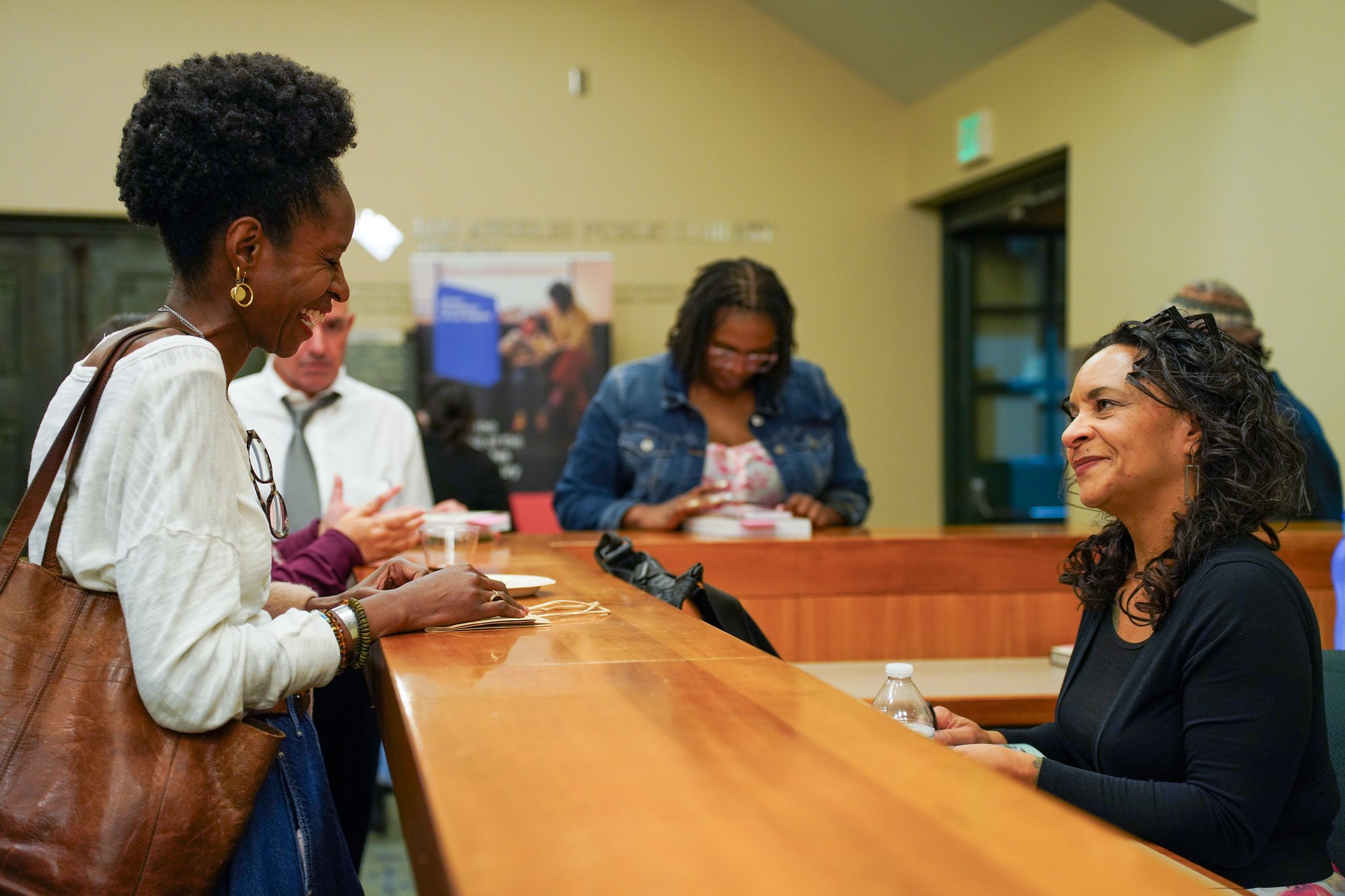
Later that week, as part of the Library’s Centennial ALOUD programming, Candacy Taylor and Tyree Boyd-Pates participated in a public discussion about the legacy of the Green Book and Black mobility in Los Angeles.
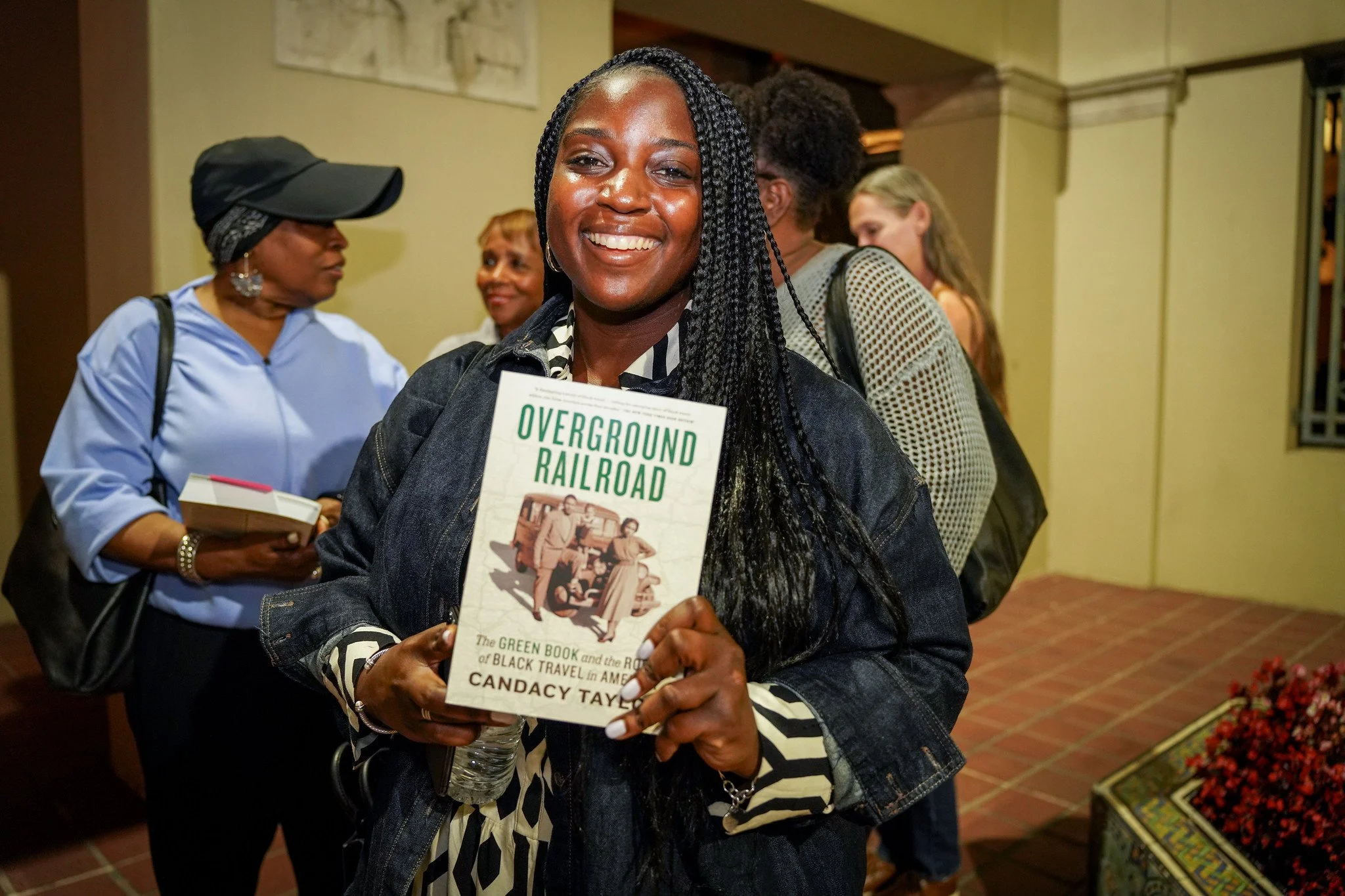
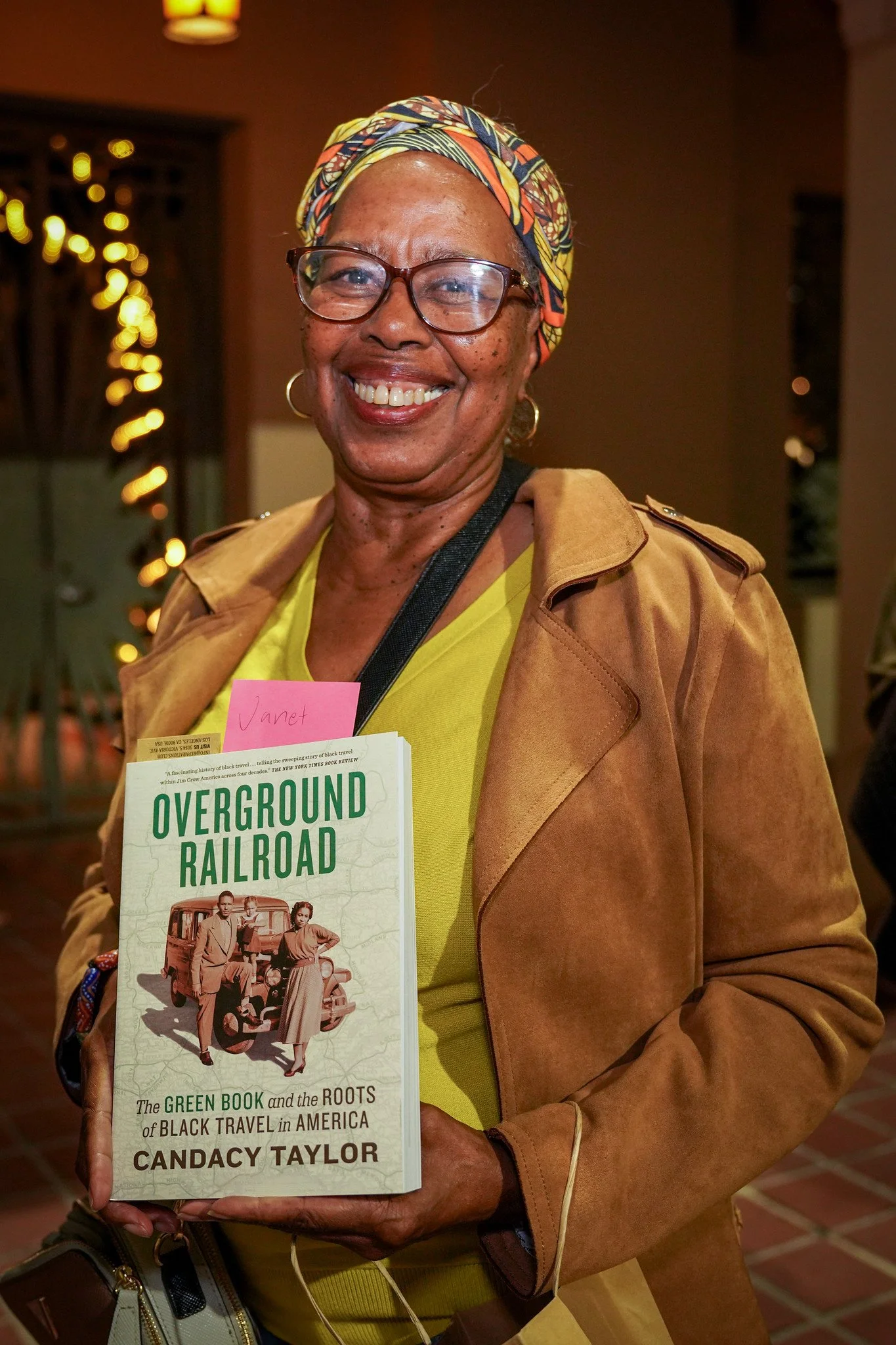
Throughout the conversation, Taylor linked the history of the Green Book to larger questions of movement, access, and belonging, prompting the audience to reflect on how these issues continue to influence contemporary life. The program also emphasized the significance of civic archives in preserving histories that are often overlooked in broader public narratives.
Cultural Strategy and the Civic Archive
The partnership between NOMMO, the Los Angeles Public Library, and the Library Foundation of Los Angeles highlights a growing interest in how civic institutions can engage audiences through archives, storytelling, and public programming, particularly focusing on African American art, history, and culture.
Libraries currently play a unique role in Los Angeles' cultural landscape. They not only preserve historical collections but also serve as public spaces that connect audiences across neighborhoods, generations, and communities.
Programs like the conversation with Candacy Taylor illustrate how archival materials can extend beyond mere preservation, becoming tools for public engagement and cultural reflection.
For NOMMO, this endeavor forms part of a broader initiative to view archives not just as static repositories but as dynamic cultural resources that can influence how communities understand history, memory, and civic life in the present.
As the Centennial programming continues, these Field Notes will document additional encounters, exhibitions, and conversations arising from this evolving partnership with the Los Angeles Public Library.