
Mapping the Moment: Encounters with Black Art During LA Art Week 2026
Frieze LA 2026.
LA Art Week is often defined by major fairs like Frieze and Felix, as well as numerous satellite exhibitions that position Los Angeles as a global center for contemporary art. This year, we observed that Black artistic presence was not confined to a single venue or event. Instead, it appeared across fairs, galleries, and cultural spaces, highlighting a broader artistic ecosystem throughout the city.
Over several days, NOMMO Cultural Strategies engaged with artists, curators, collectors, and institutions, shaping this evolving landscape. These Field Notes are not a comprehensive guide to every fair or event during LA Art Week. Instead, they highlight select moments that offer insight into how Black art shapes Los Angeles's cultural geography.
The Global Stage: Frieze Los Angeles ‘26
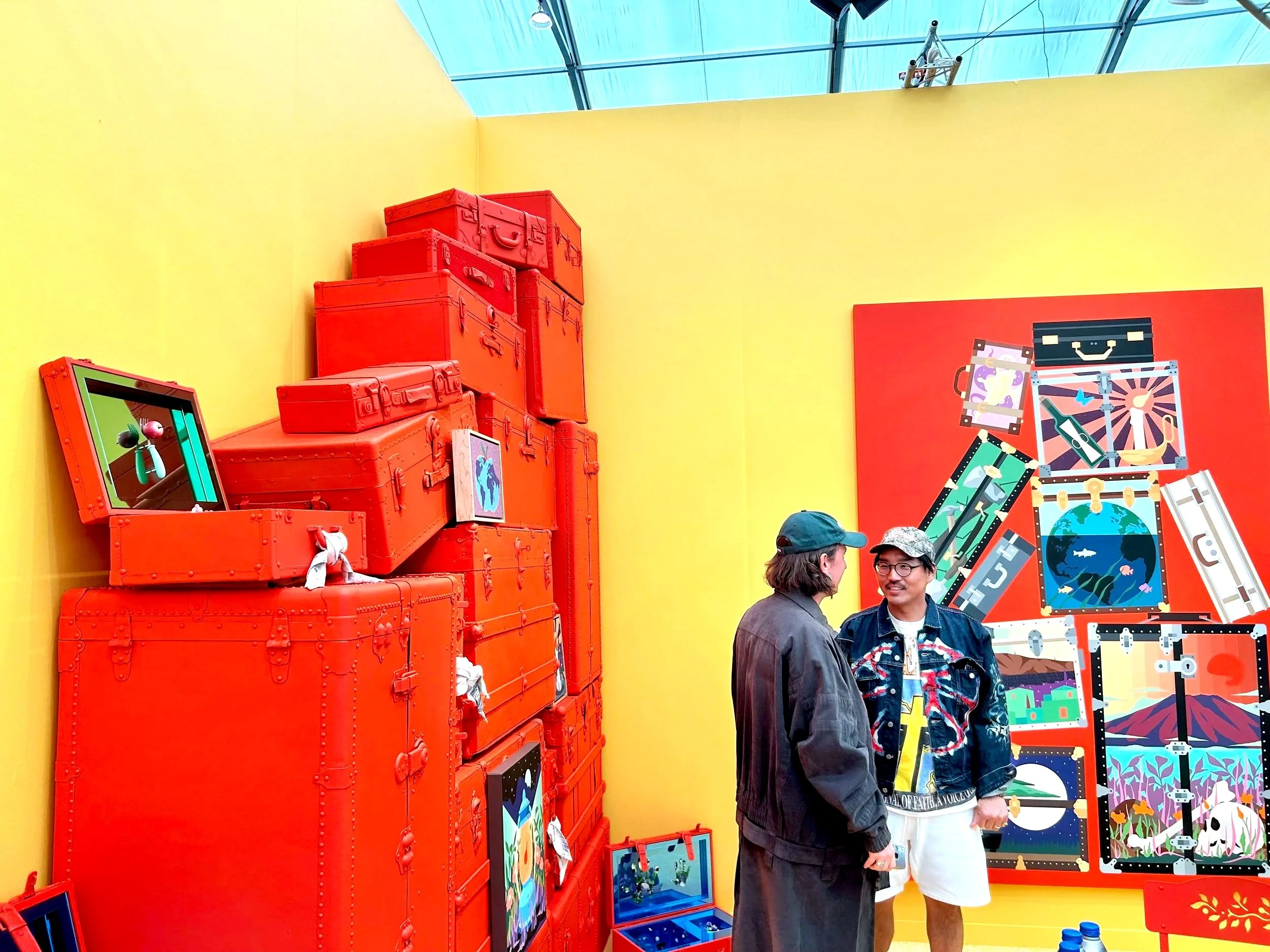
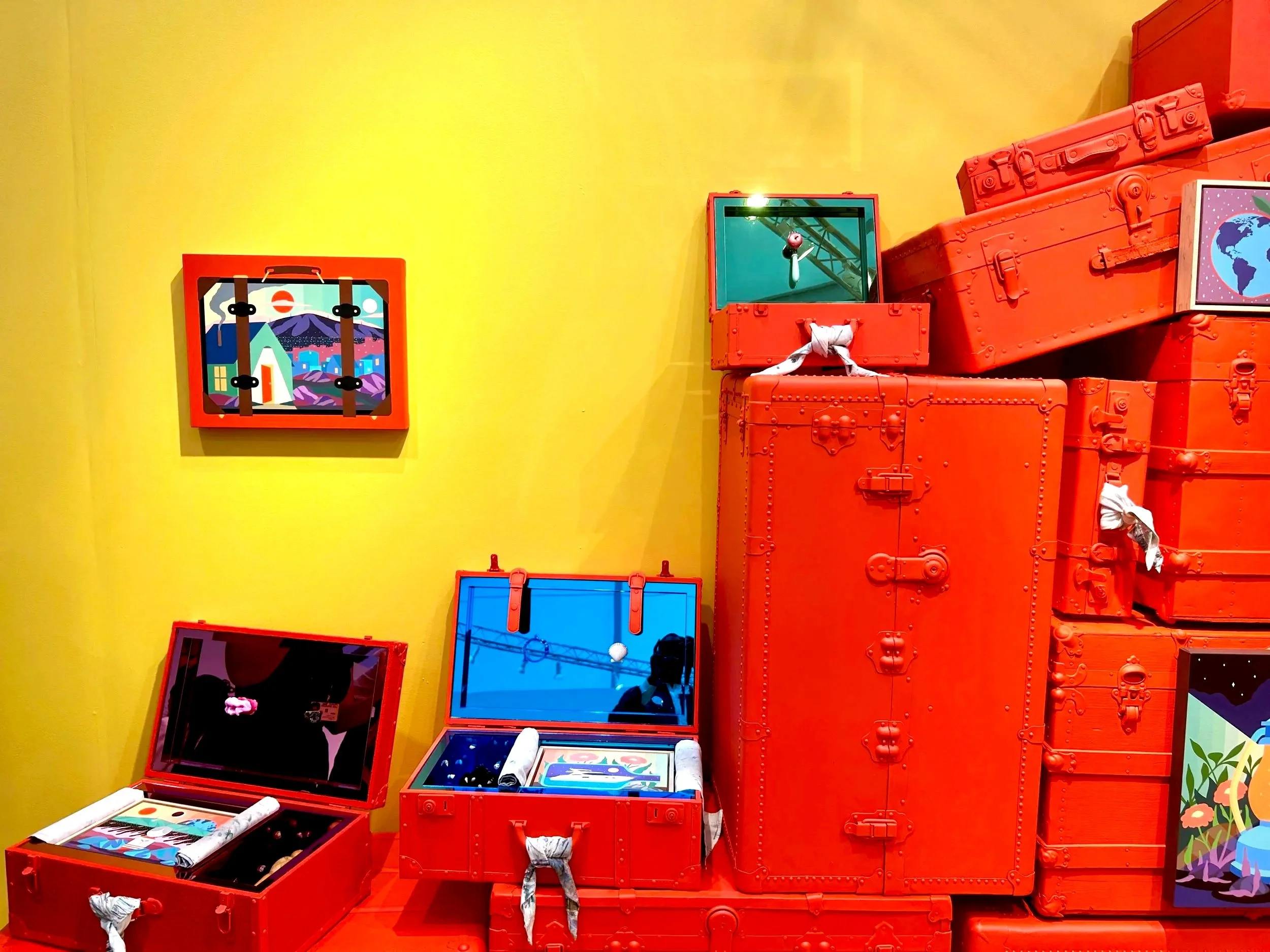
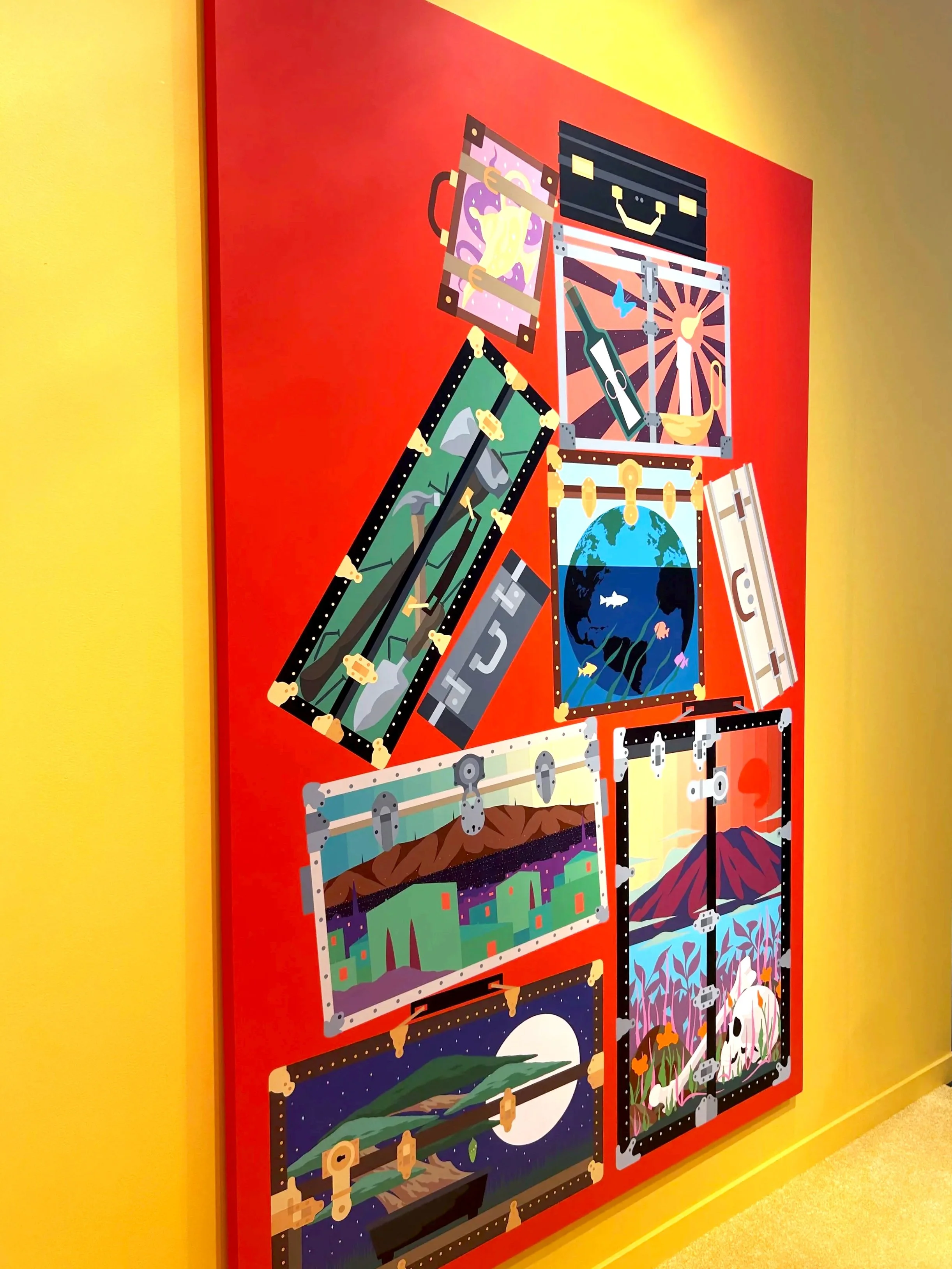
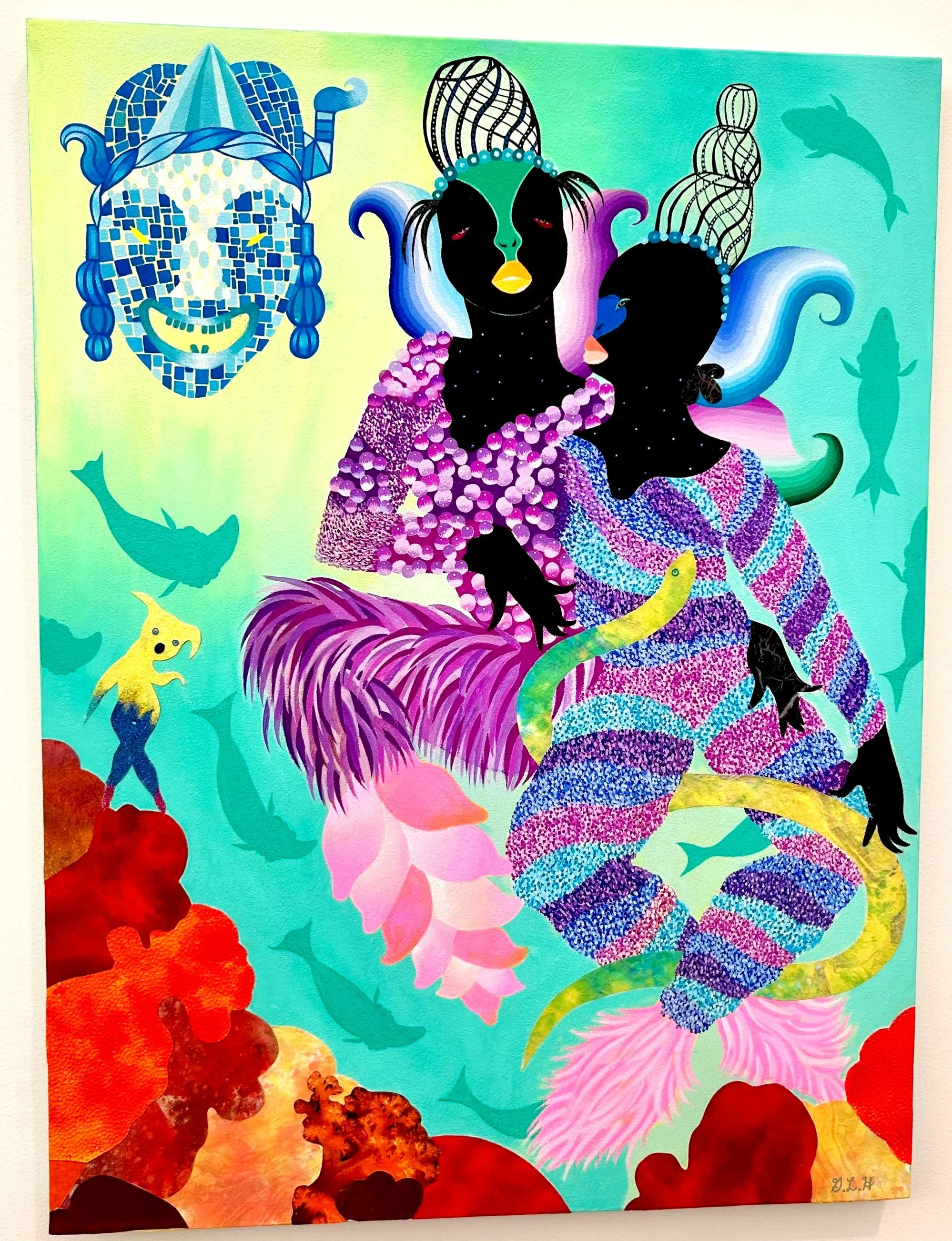
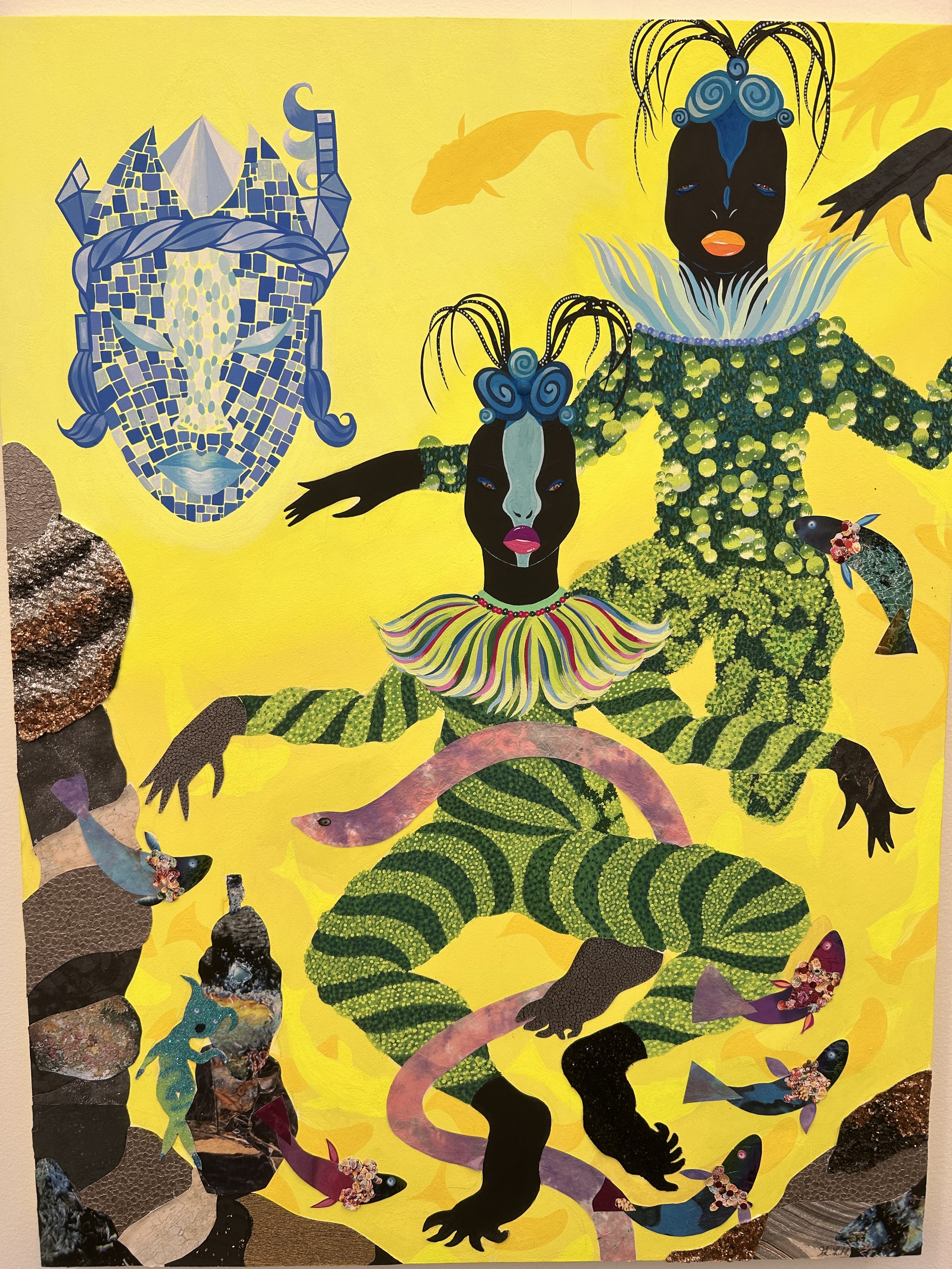
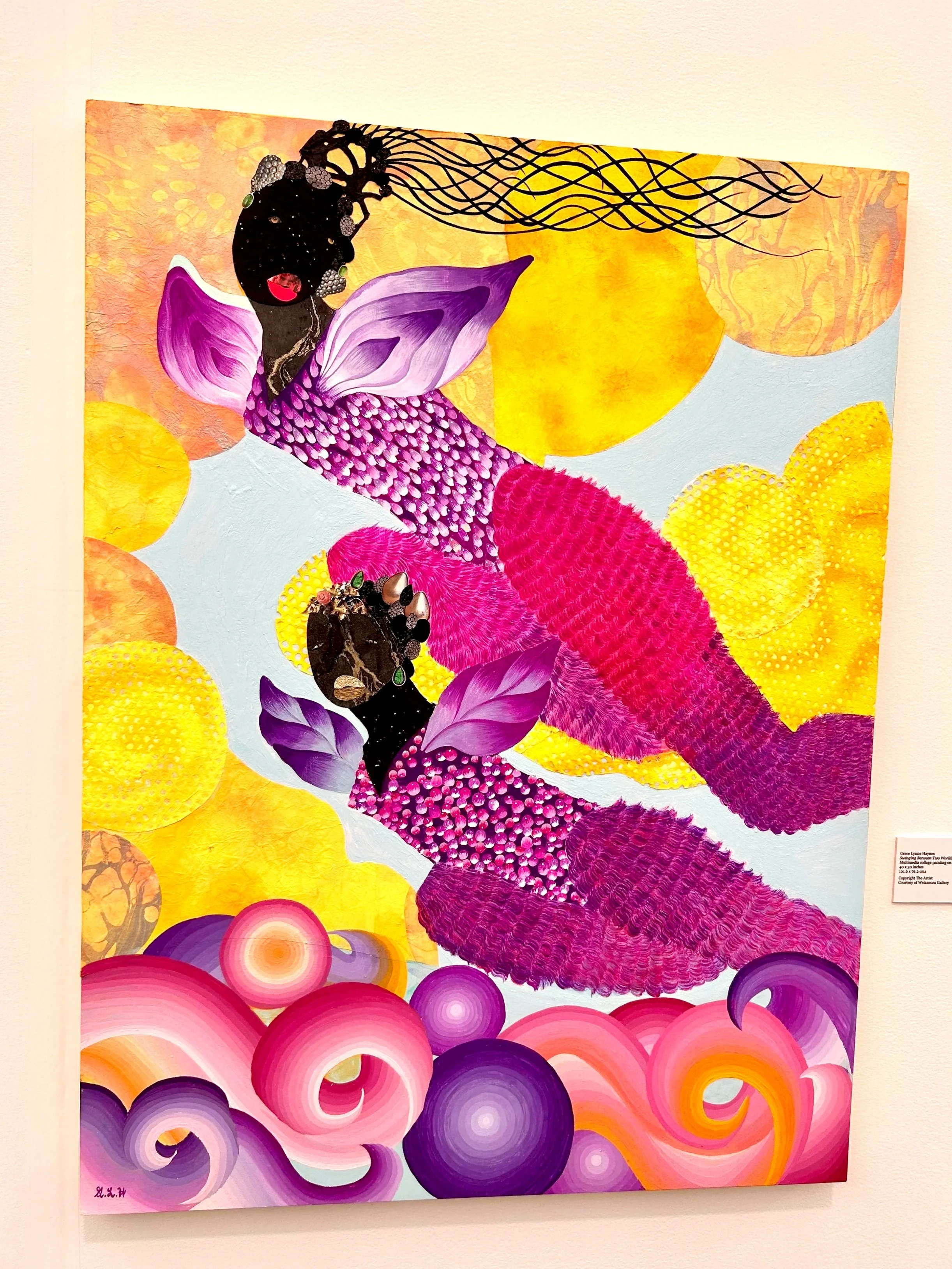
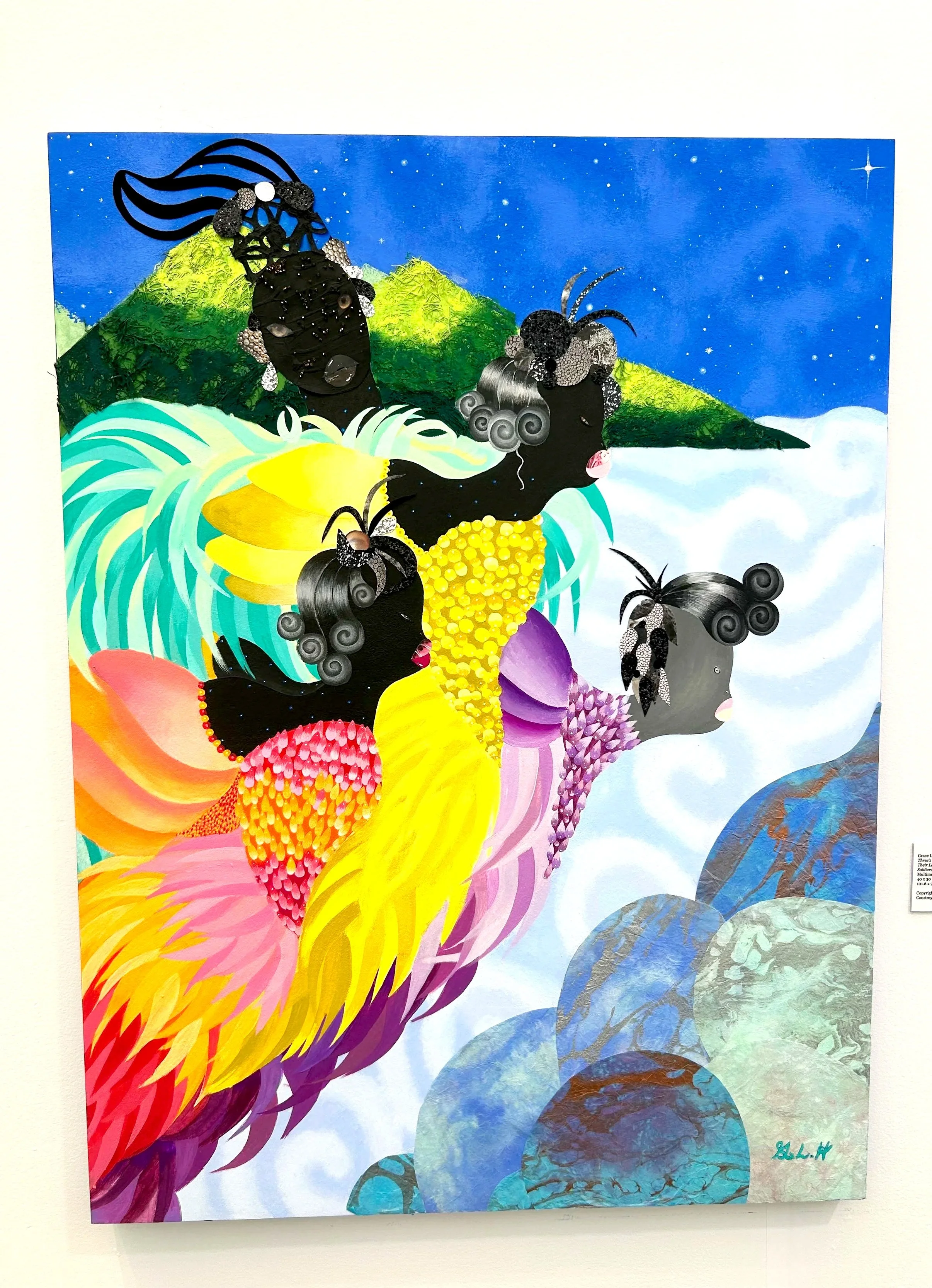
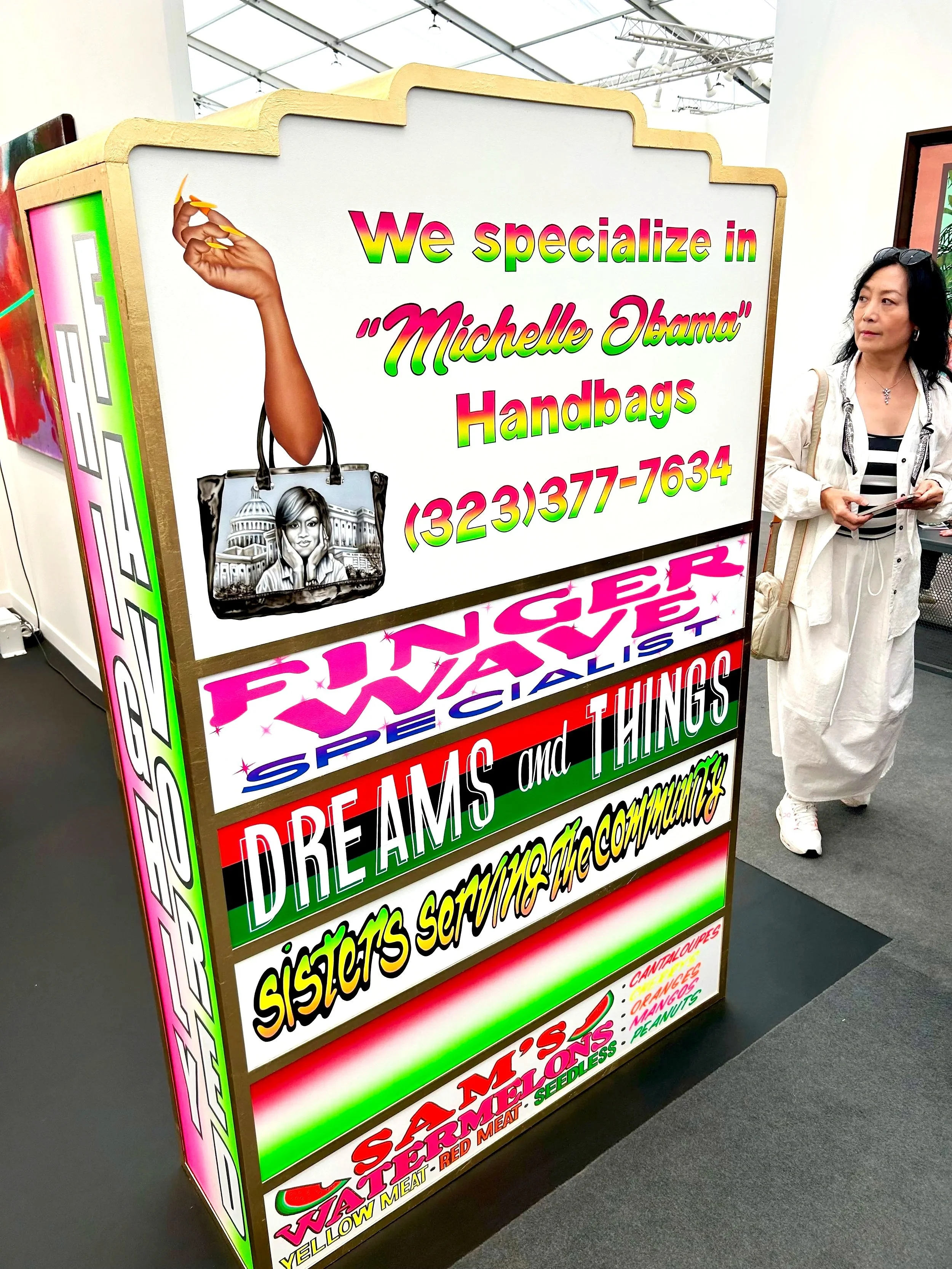
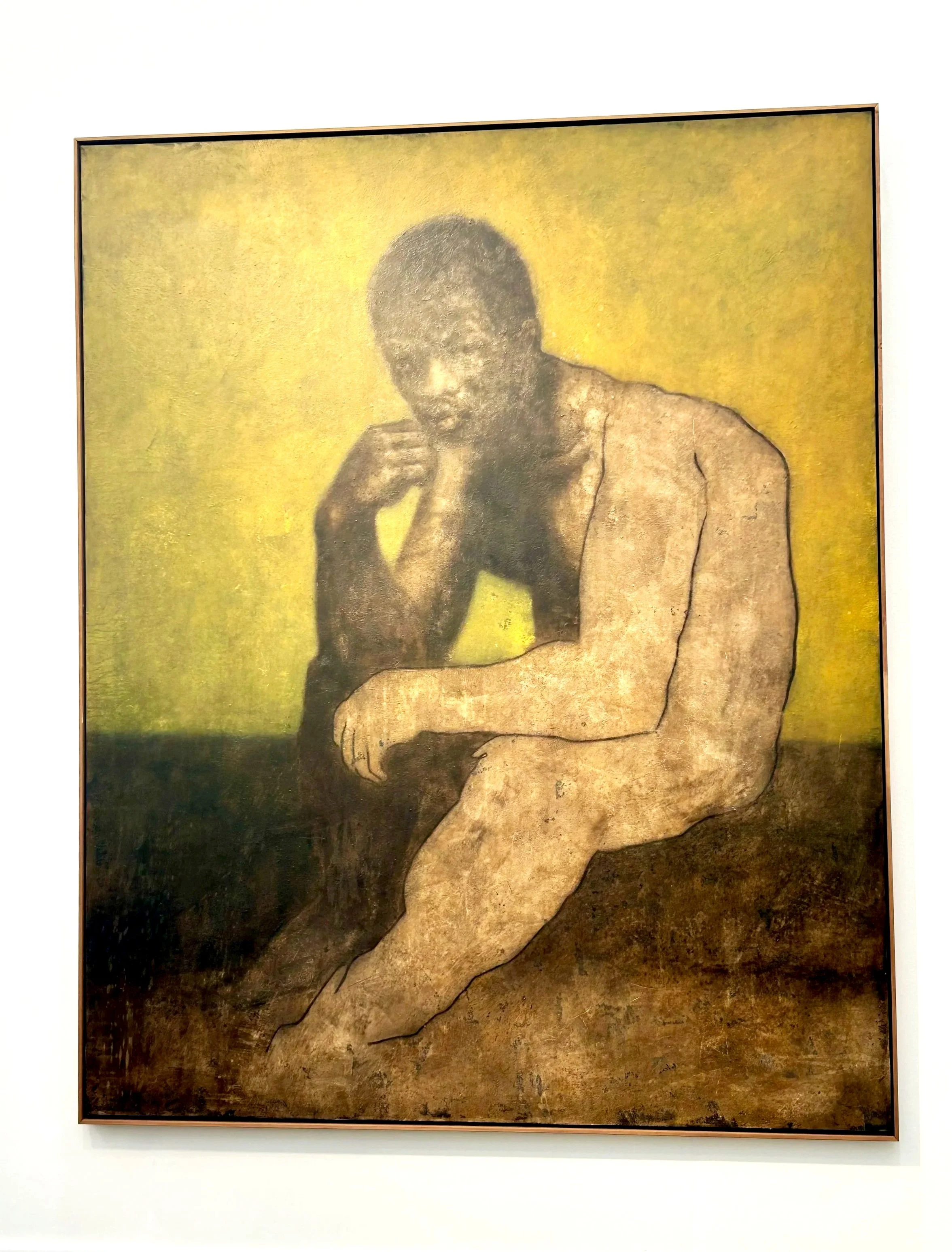
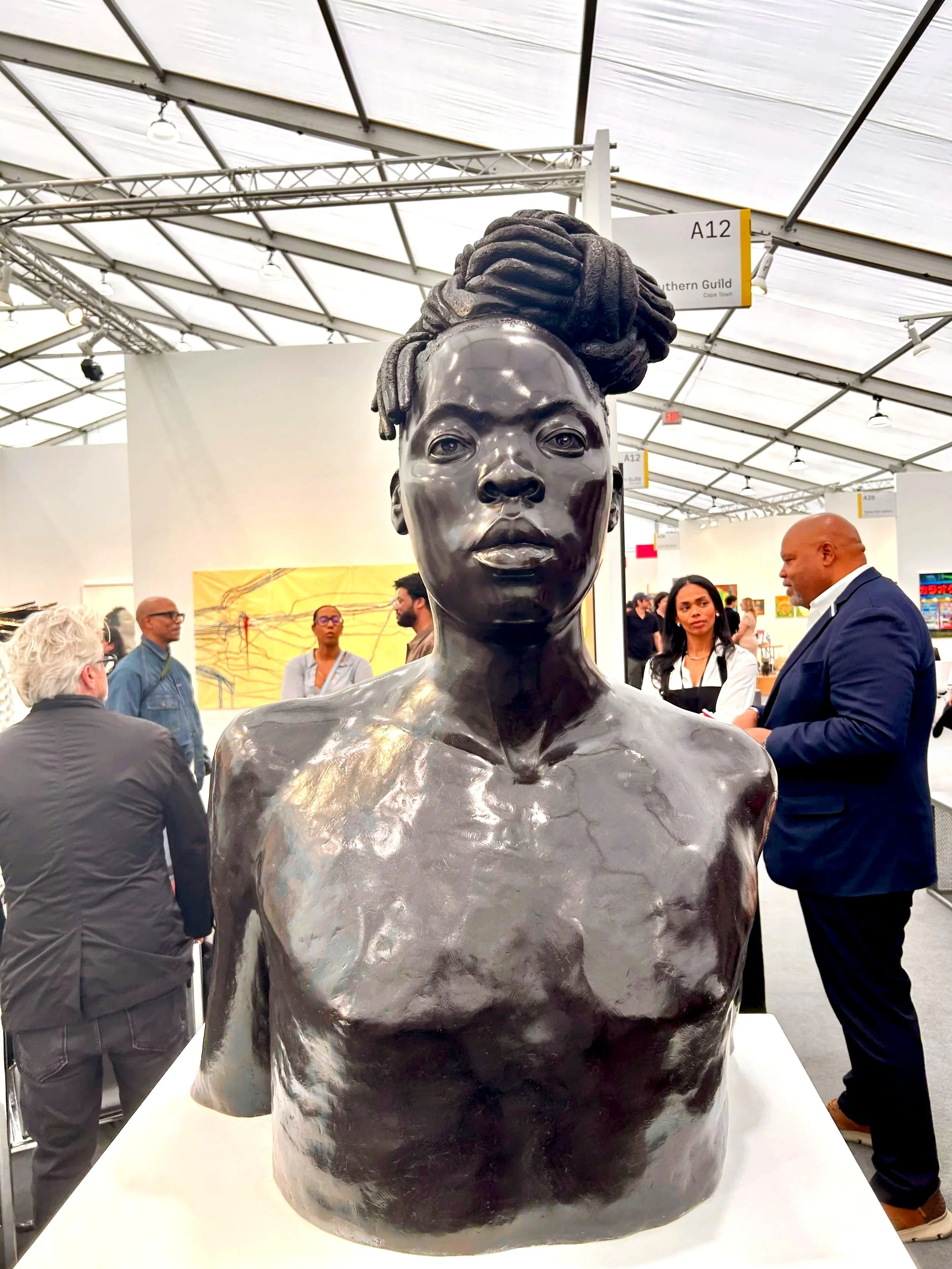
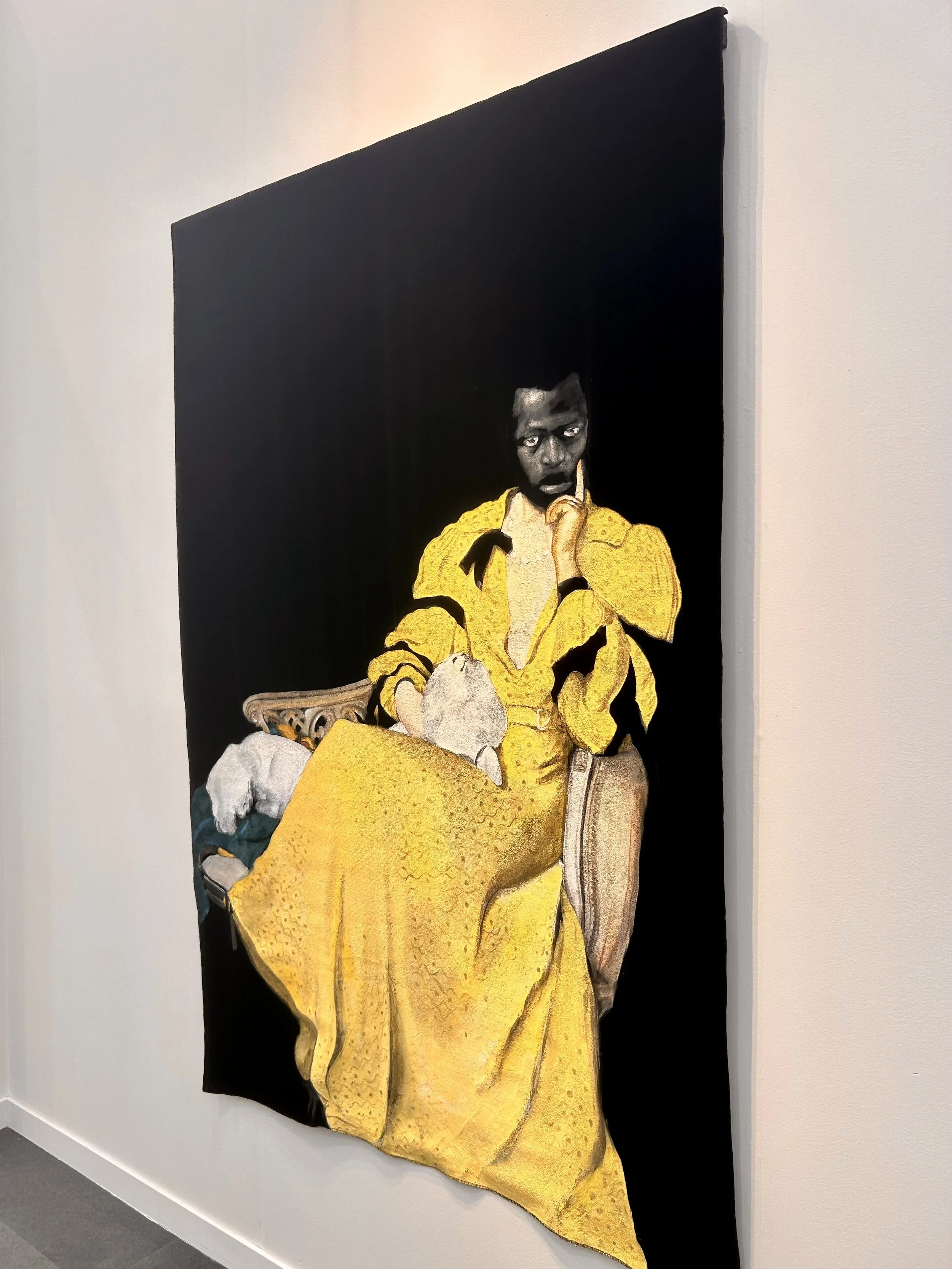
A key highlight of LA Art Week is Frieze Los Angeles, where collectors, curators, artists, and institutions from around the world gather at the Santa Monica Airport to engage with contemporary art on an international scale.
Several presentations stood out at the fair for their curatorial clarity and artistic impact.
Superposition Gallery, led by Storm Ascher and curated by Essence Harden, presented a vibrant selection that balanced visual energy with curatorial intent. Greg Ito’s paintings, central to the booth, explored identity, cultural memory, and diasporic belonging through abstraction and symbolism. Harden’s approach allowed the work to resonate, creating a booth that was both visually striking and conceptually grounded.
Welancora Gallery featured works by Grace Lynne Haynes, whose practice explores abstraction, embodiment, and the emotional architecture of the human figure. The booth offered a contemplative atmosphere, providing a moment of reflection amid the fair’s visual intensity.
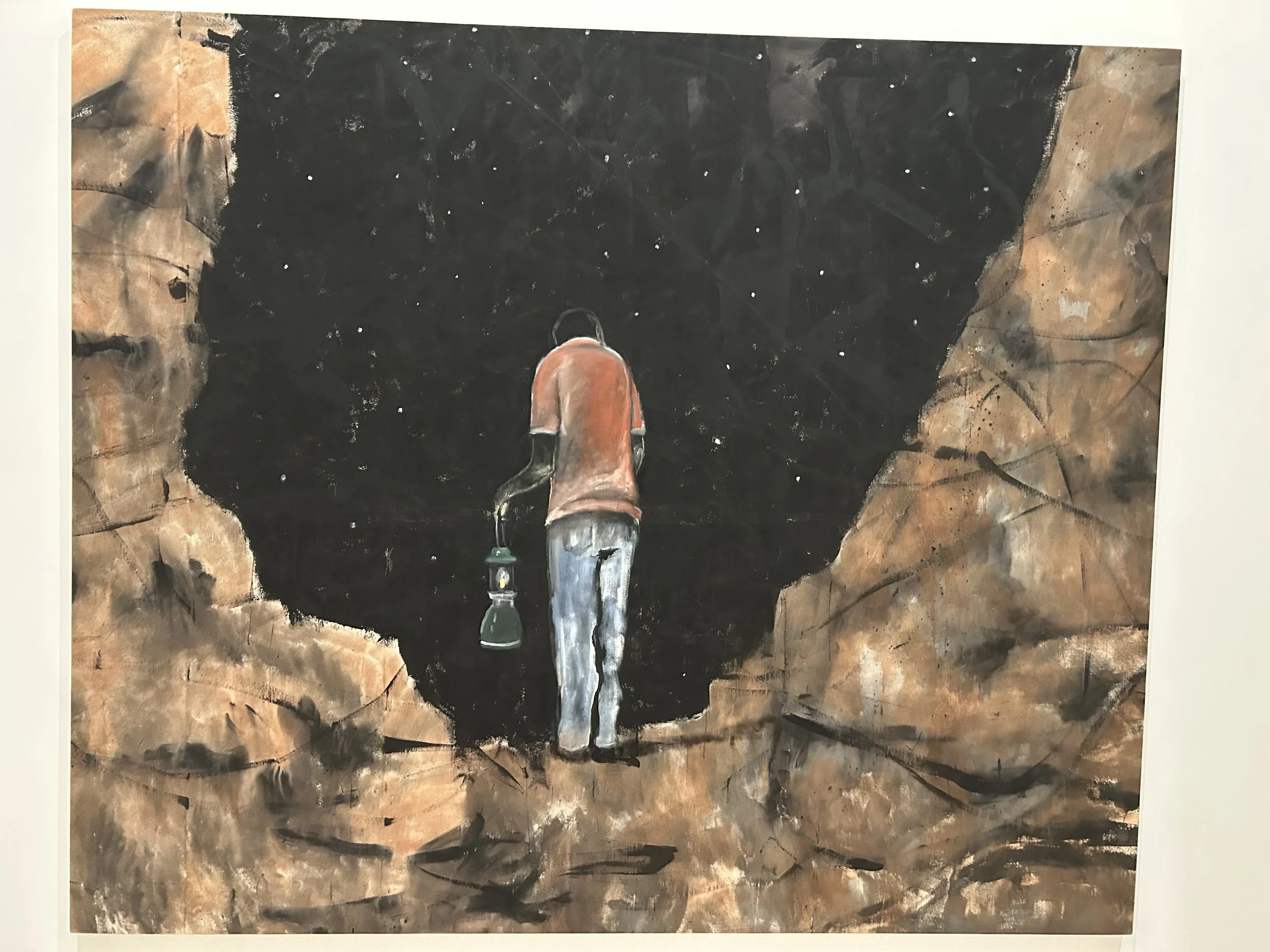
Southern Guild’s presentation was also significant, bringing together artists from the African diaspora. Cinga Samson’s paintings, in particular, created a powerful moment. His atmospheric compositions invite viewers into quiet psychological landscapes that linger beyond the initial encounter.
Together, these presentations showed how artists connected to the African diaspora continue to shape discourse in the global art market. However, Black artistic presence during LA Art Week extended beyond the fair.
The Collector’s Archive: The Eileen Harris Norton Collection at Hauser & Wirth
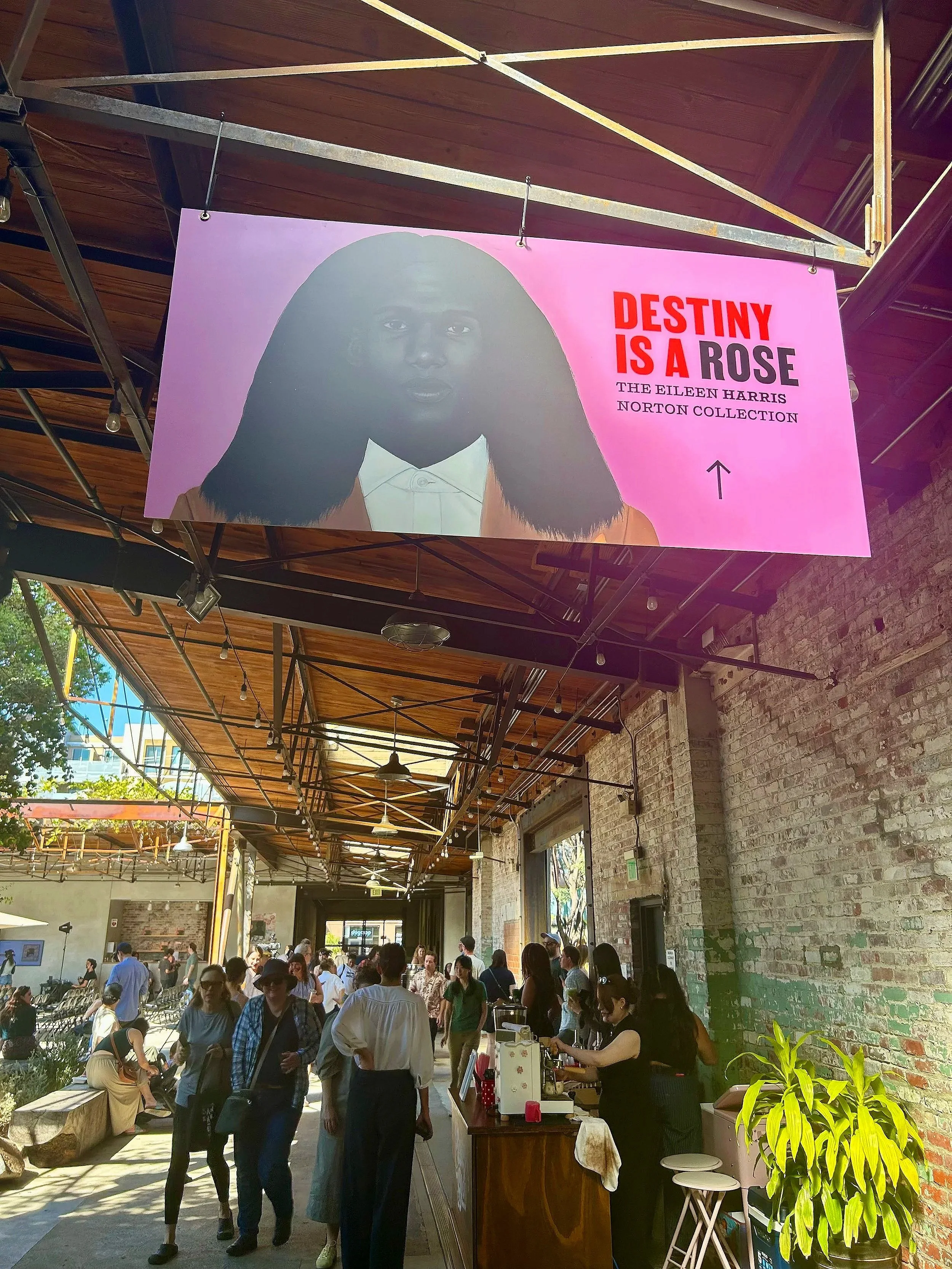
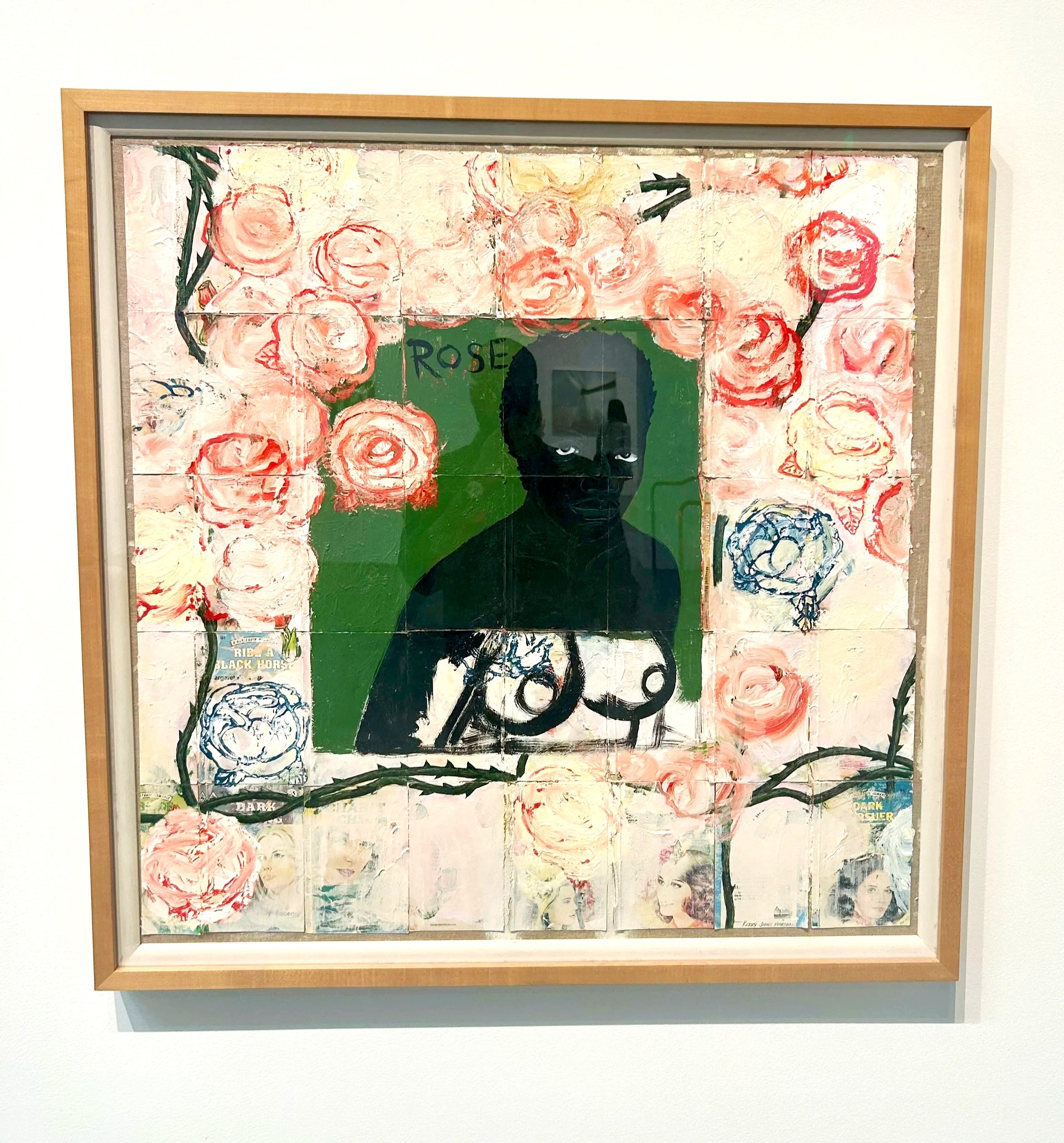
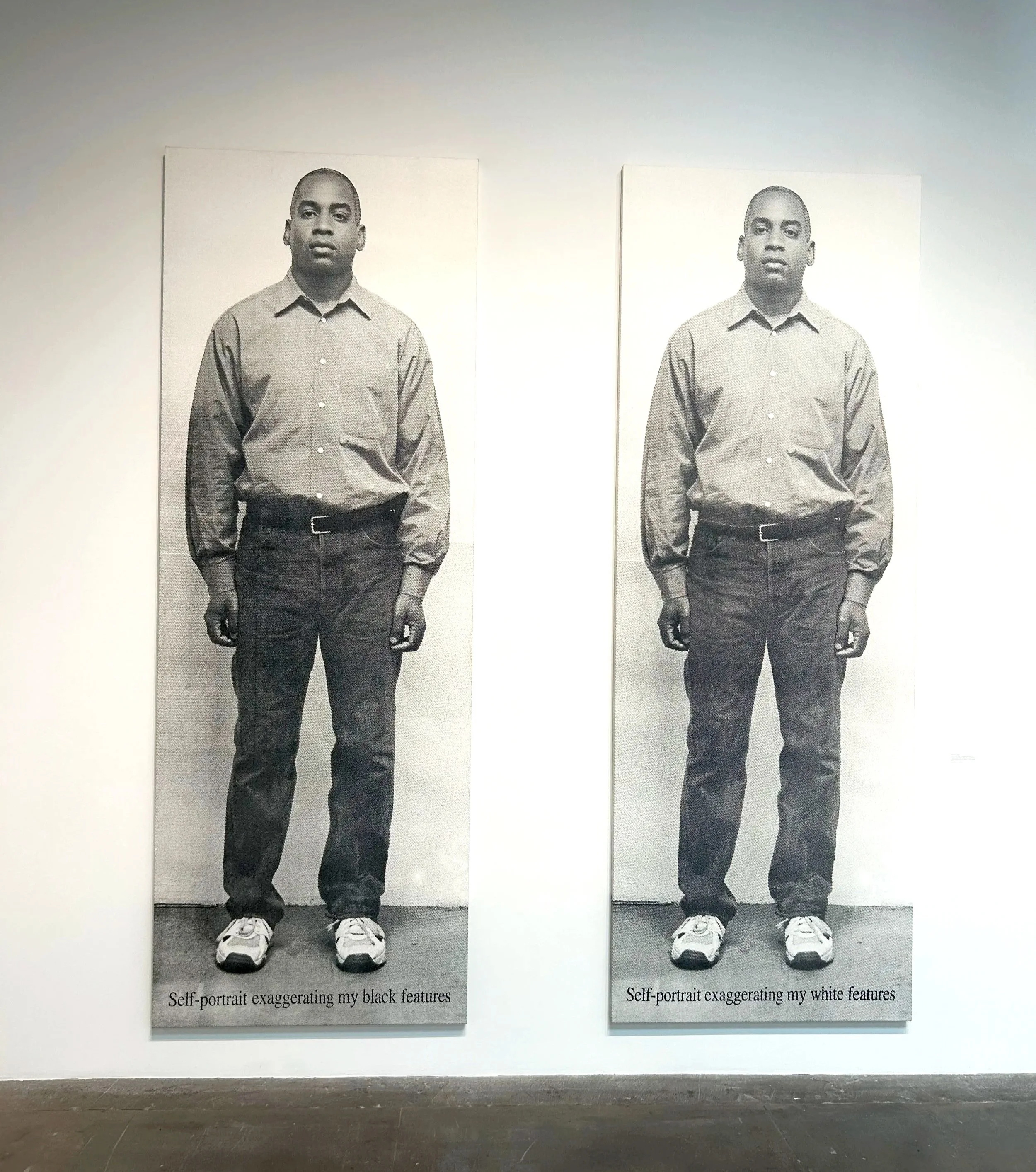
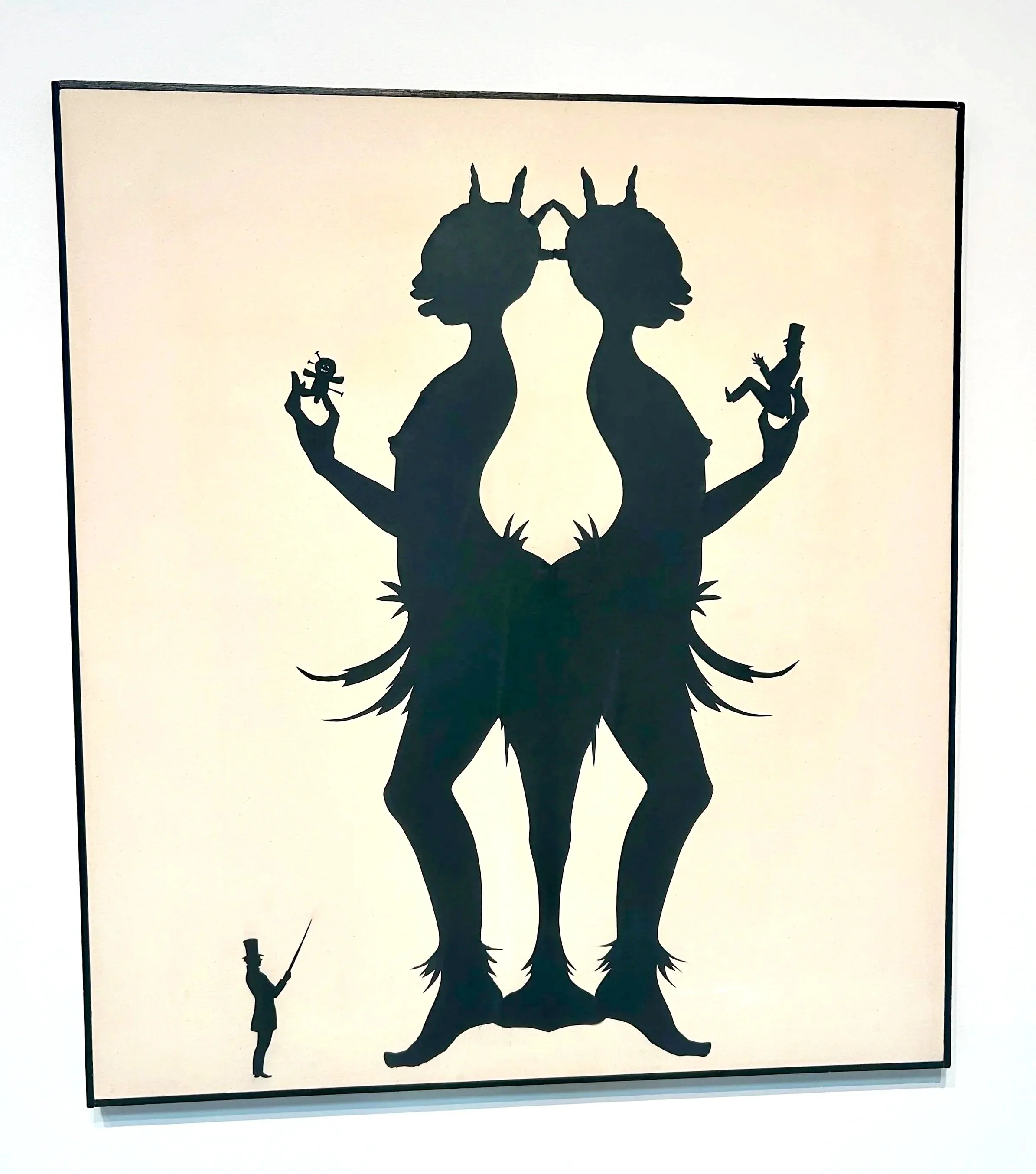
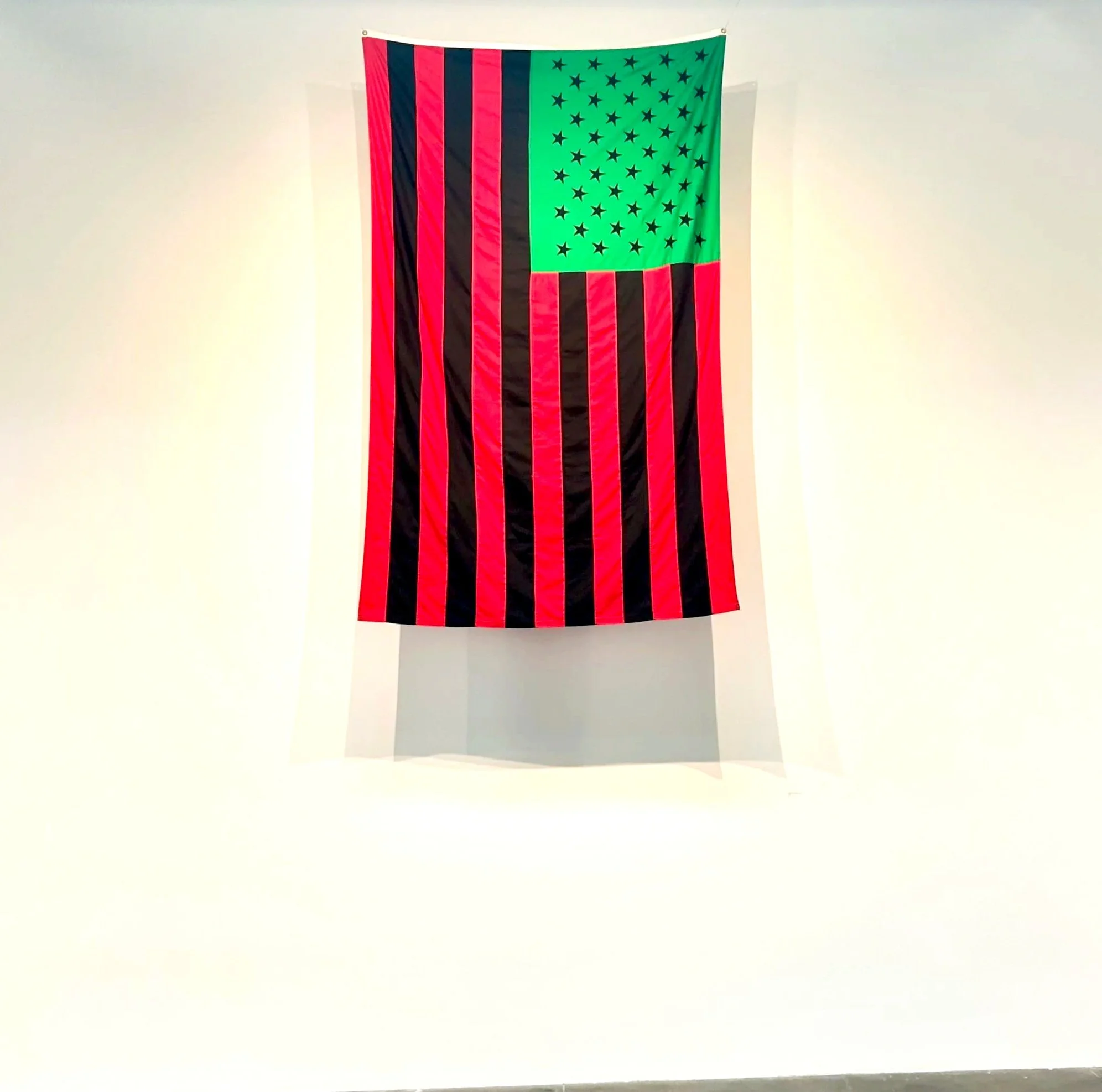
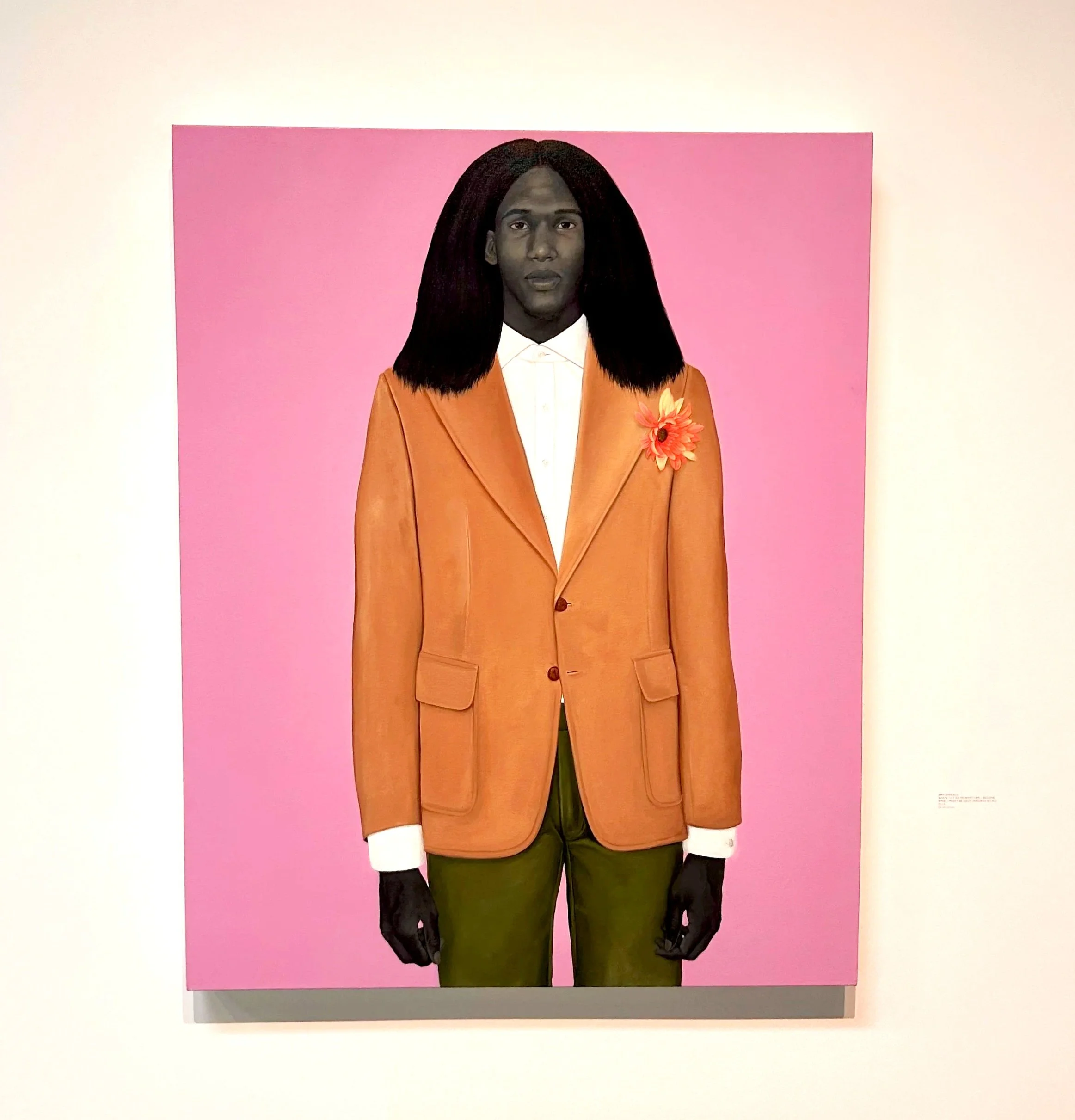
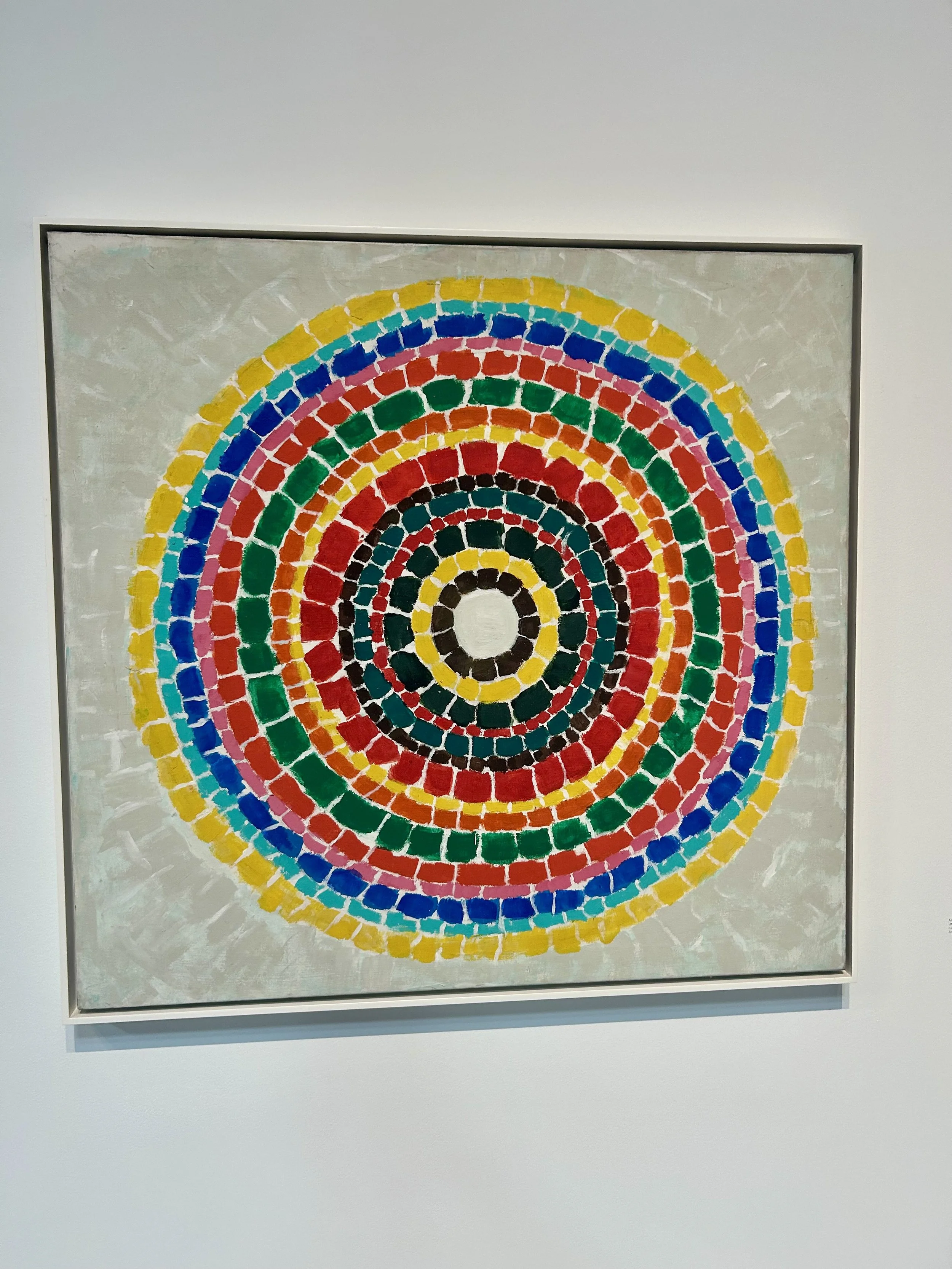
Gallery exhibitions across Los Angeles also offered insight into how Black artists shape contemporary art discourse.
At Hauser & Wirth, the gallery presented selections from Desitiny is a Rose: Eileen Harris Norton Collection within the exhibition, offering a particularly impactful encounter.
The exhibition brought together over 100 works spanning several decades, including pieces by Mark Bradford, David Hammons, Alma Thomas, Hank Willis Thomas, Amy Sherald, and many others who have shaped contemporary art.
The exhibition underscored the important role collectors play in shaping artistic legacies. Norton’s collection reflects both an expansive vision and a sustained commitment to supporting artists who challenge and expand the boundaries of contemporary art.
Viewed alongside the presentations at Frieze, the exhibition highlighted another aspect of the cultural ecosystem: the collector’s archive. While fairs offer a snapshot of the contemporary market, collections like Norton’s reveal the long-term relationships that sustain artists and preserve their work for future generations.
A New Platform: The Inaugural BUTTER Art Fair in Inglewood
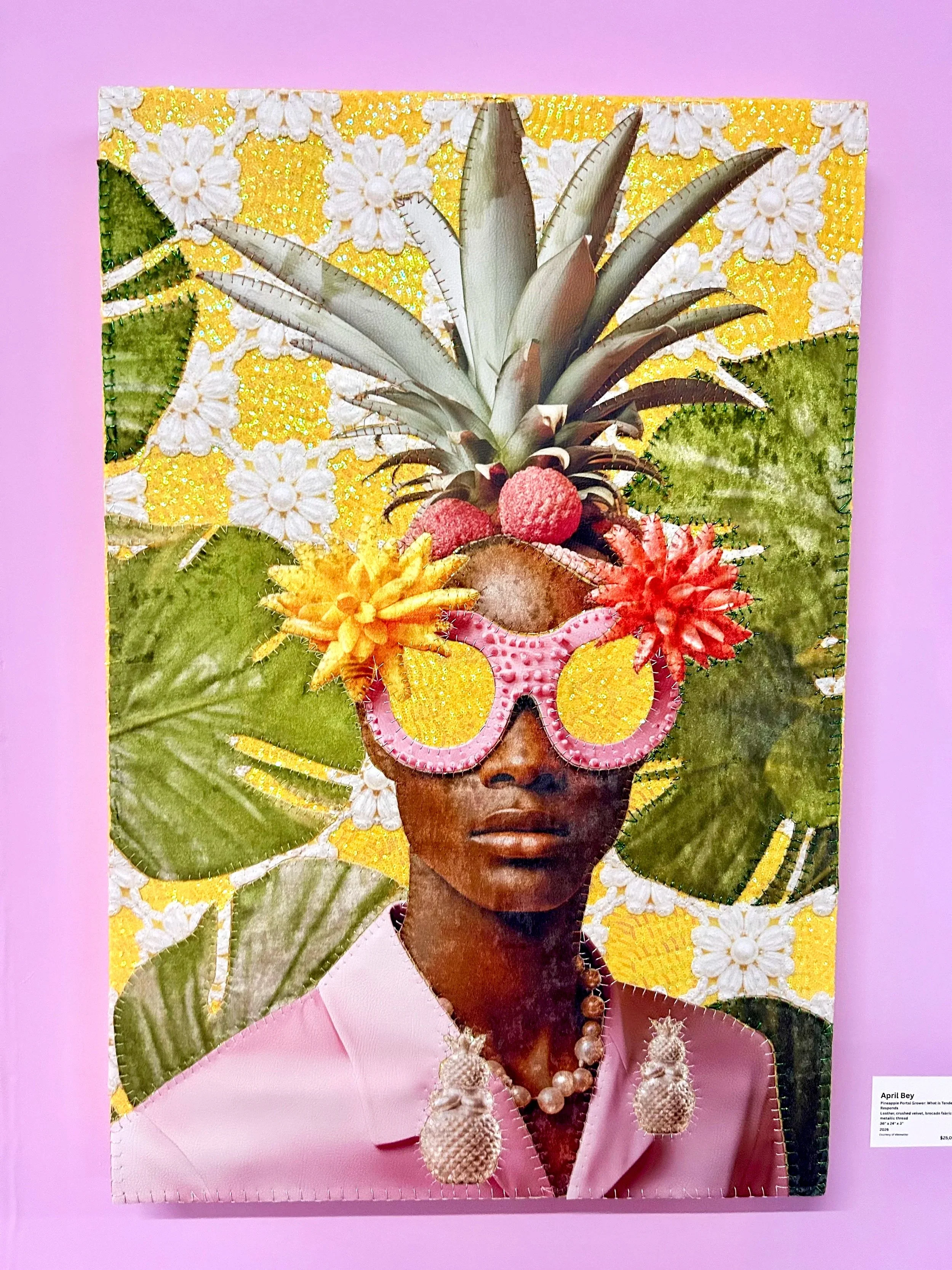
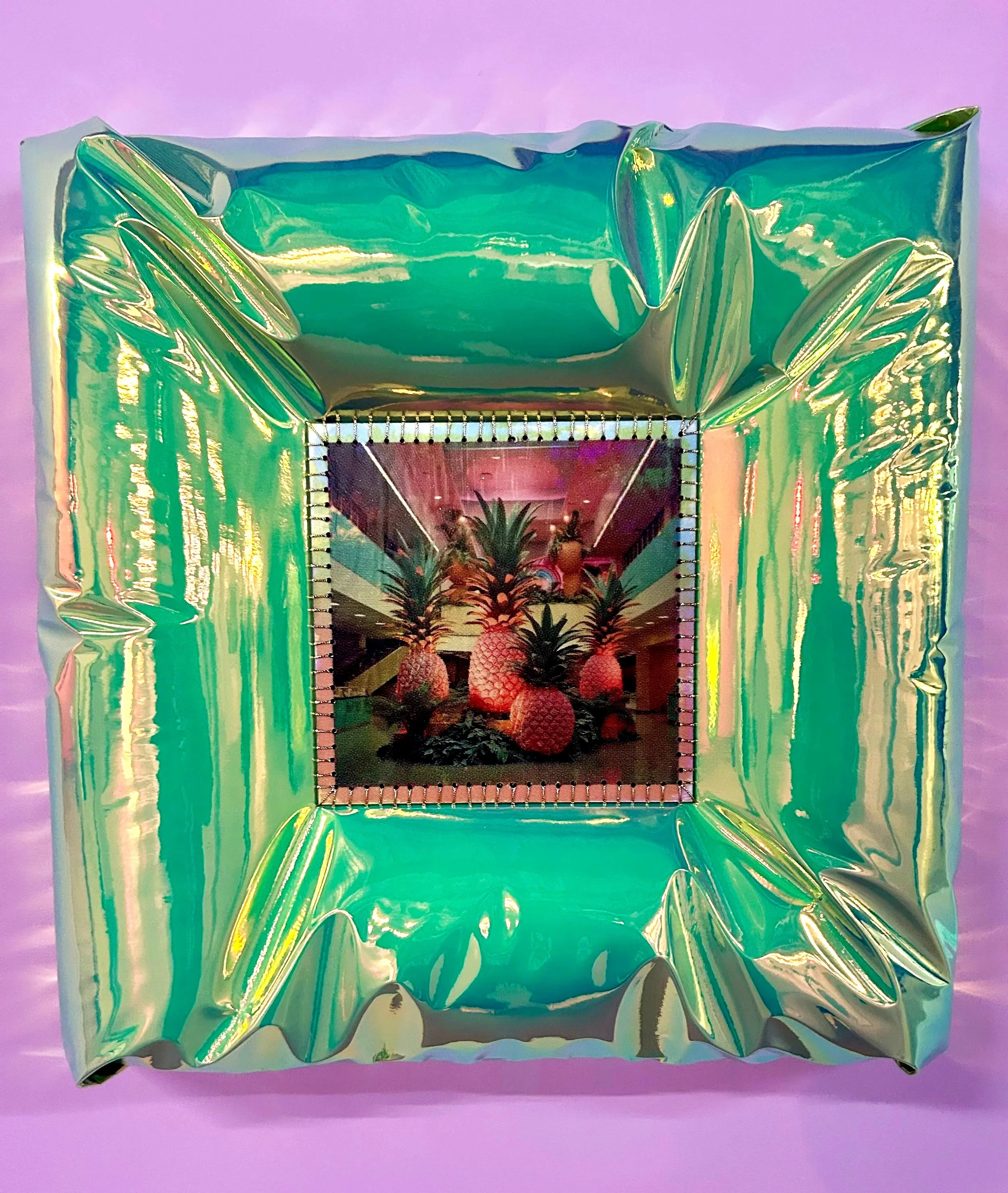
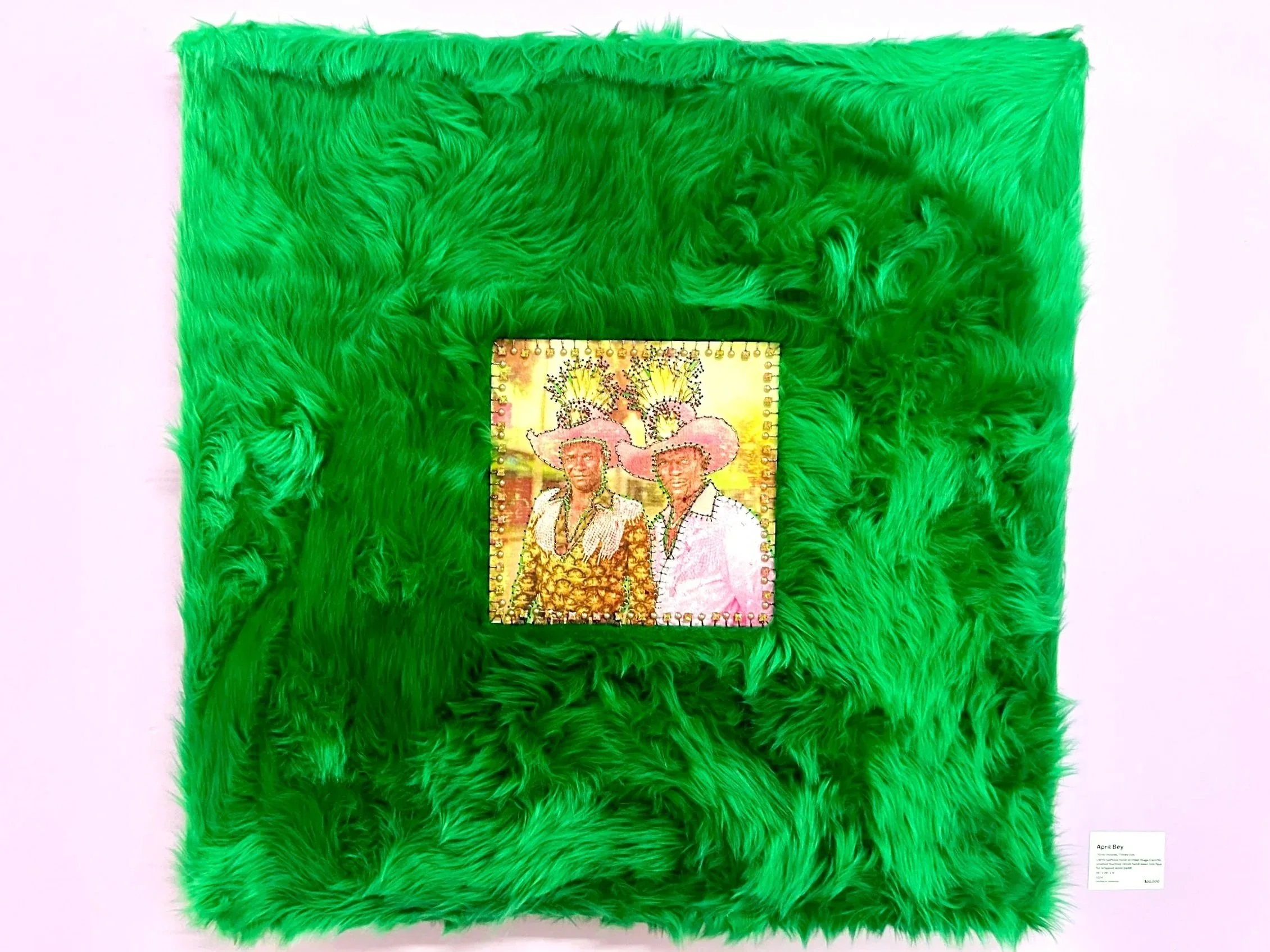
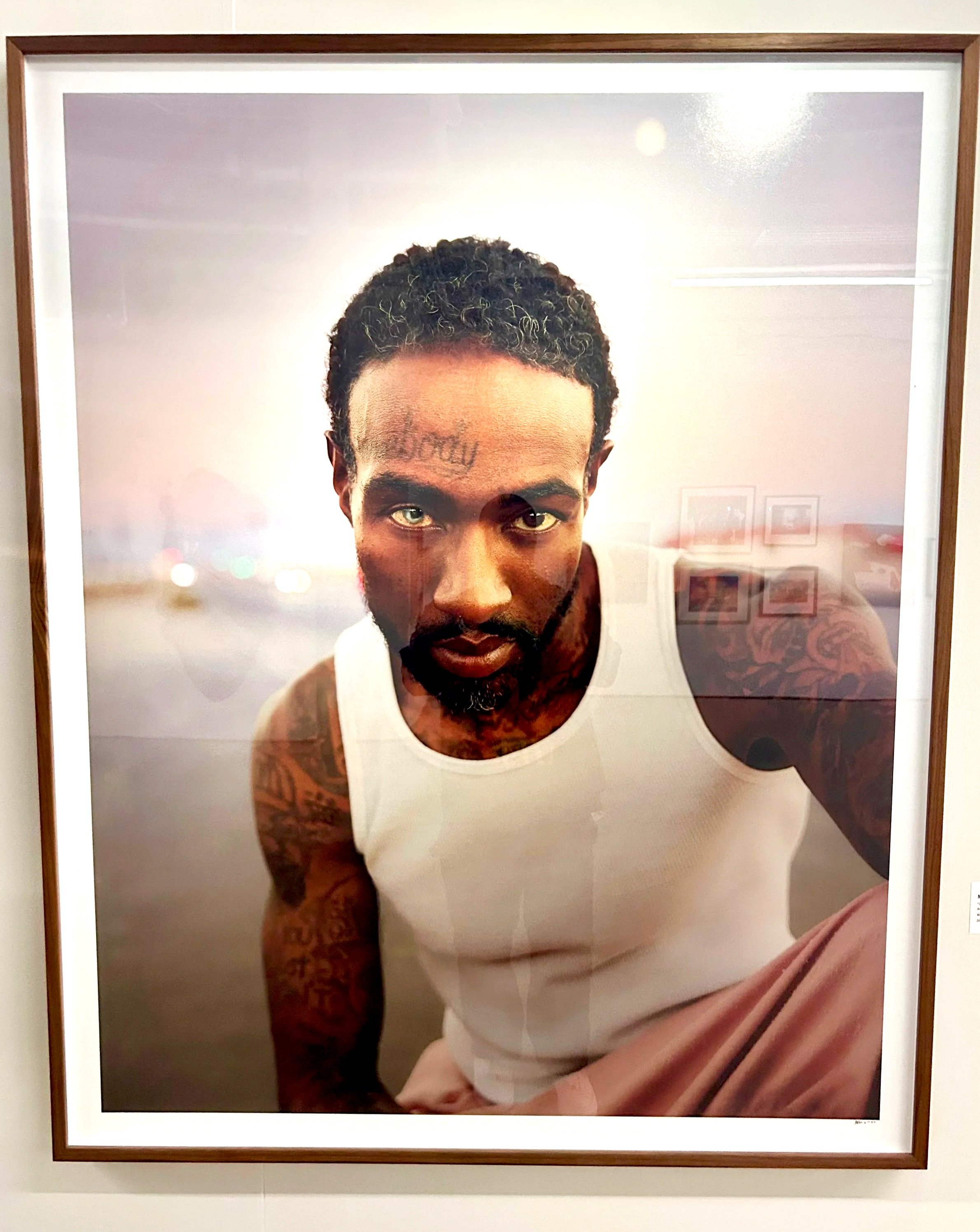
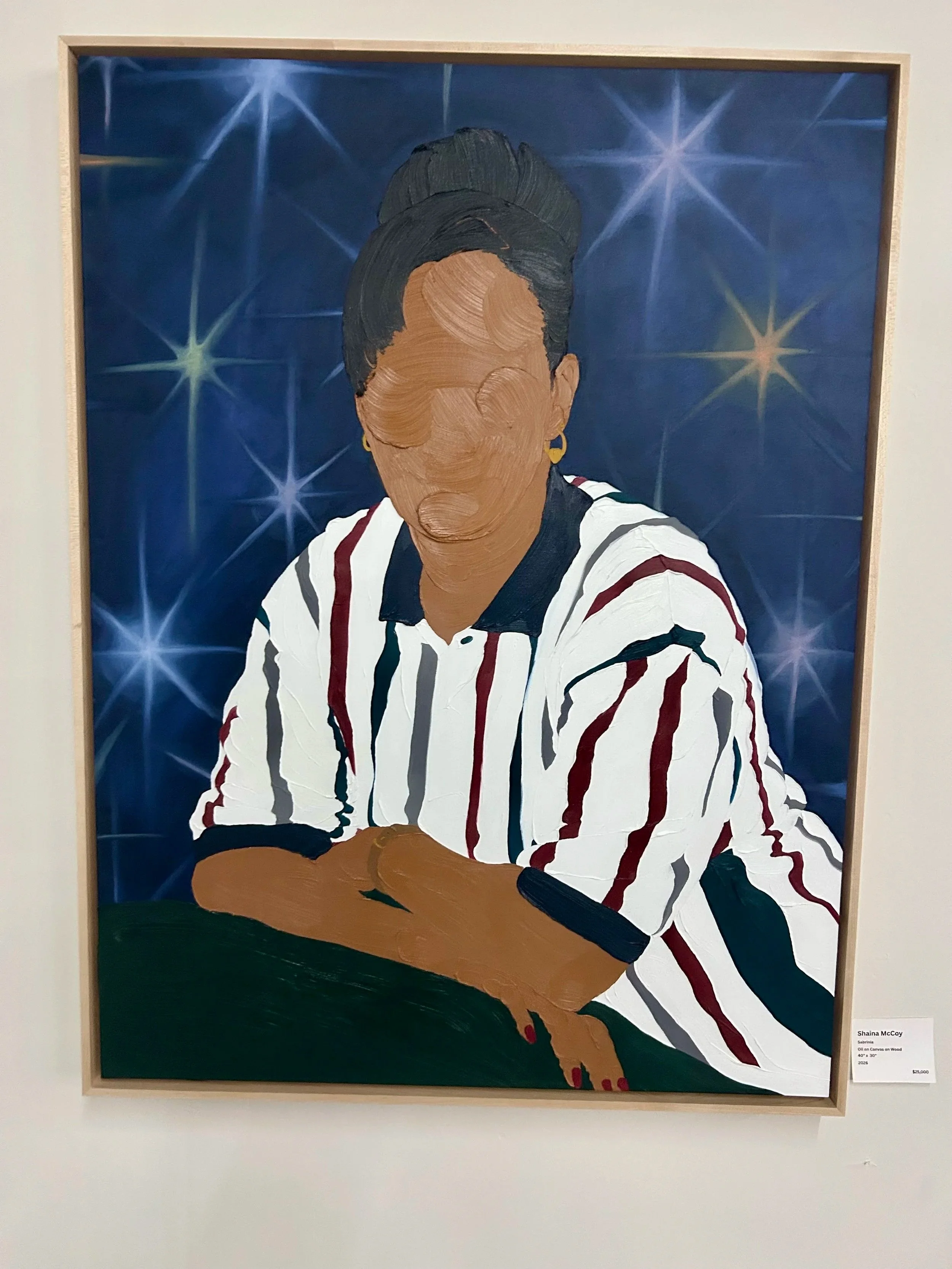
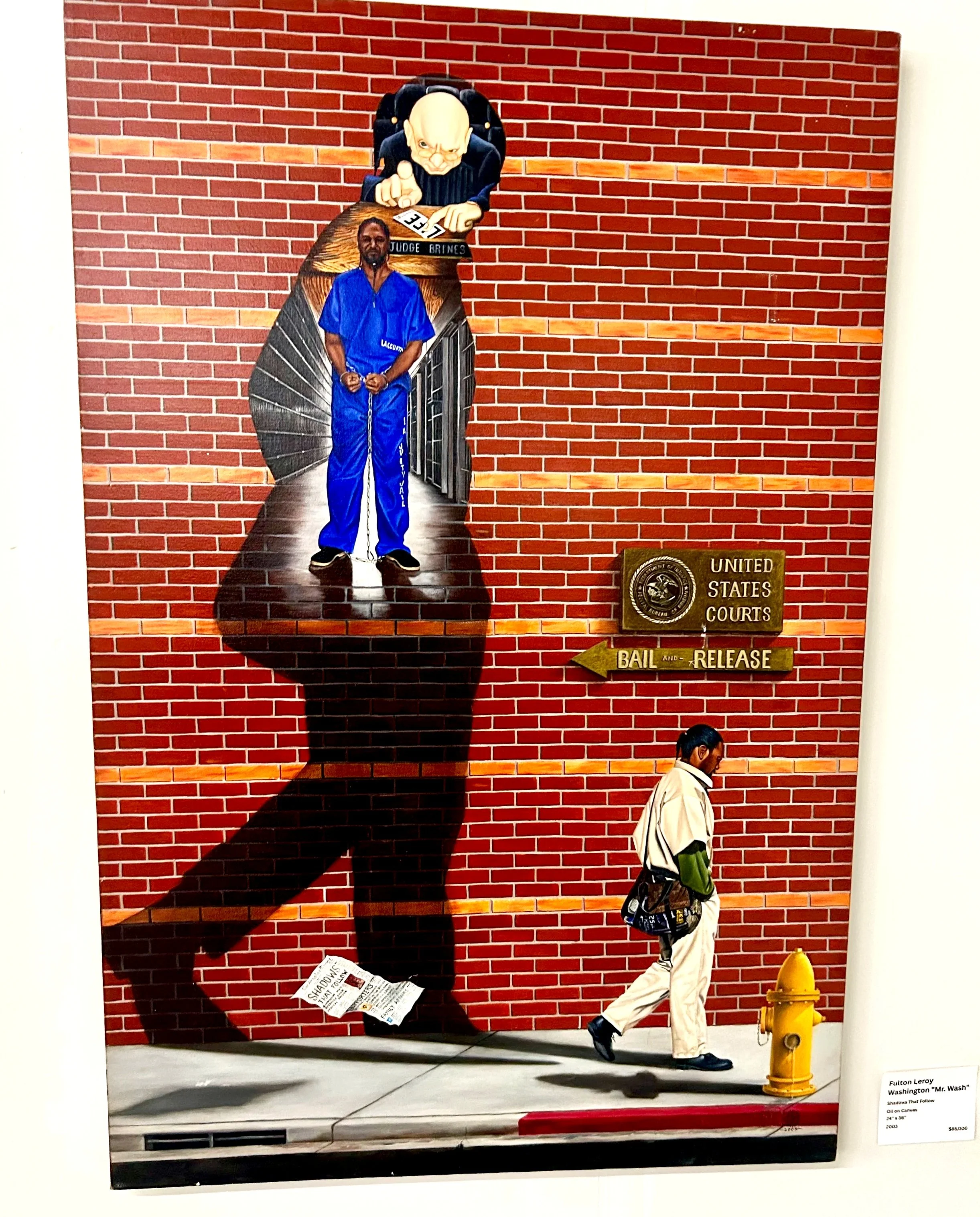
While Frieze represented the global art market and Hauser & Wirth reflected the influence of collectors, the debut of the BUTTER Art Fair underscored the importance of community-centered platforms within Los Angeles’ art ecosystem.
Held in Inglewood, the inaugural fair brought together artists, curators, collectors, and audiences to celebrate and expand access to contemporary Black art. With involvement from figures such as Kimberly Drew, the fair created a space where both emerging and established artists could present their work directly to audiences within a vibrant communal setting.
Black artists including April Bey, Shaina McCoy, and Fulton Leroy Washington presented works that encouraged both seasoned collectors and new audiences to engage with collecting Black art. DJs filled the space with music as visitors moved between booths, while conversations unfolded throughout the fair floor.
BUTTER stood out for its emphasis on accessibility, creating opportunities for new collectors to engage with contemporary art in a welcoming and dynamic environment.
As its inaugural edition, the fair offered a promising glimpse of what could become an important cultural platform within Los Angeles’ evolving art landscape.
Black Art Across the City: A Cultural Constellation
Together, these encounters revealed a broader perspective on LA Art Week.
Black art was not limited to a single location. Instead, it appeared across a constellation of spaces throughout the city, including international art fairs, gallery exhibitions, and community-driven platforms.
Each space revealed a distinct aspect of the cultural ecosystem: the global art market, the collector’s archive, and the community platform.
Together, they illustrated a city where Black artists, curators, collectors, and audiences continue to expand how contemporary art is presented, experienced, and collected.
For NOMMO Cultural Strategies, these Field Notes reflect a dynamic Los Angeles, where artistic possibility continues to emerge across multiple cultural landscapes.
If this year’s Art Week is any indication, the story of Black art in Los Angeles is still unfolding.

Noah Davis at the Hammer Museum: Black Life, Archives, and Legacy

This week, NOMMO had the privilege of experiencing Noah Davis, the Hammer Museum’s first institutional survey dedicated to the late artist (1983–2015). For Tyree Boyd-Pates, NOMMO’s Chief Curator, a museum professional who has spent years leading and shaping exhibitions, walking through this expansive show felt both intimate and revelatory, a rare opportunity to see Davis’s creative life fully realized.
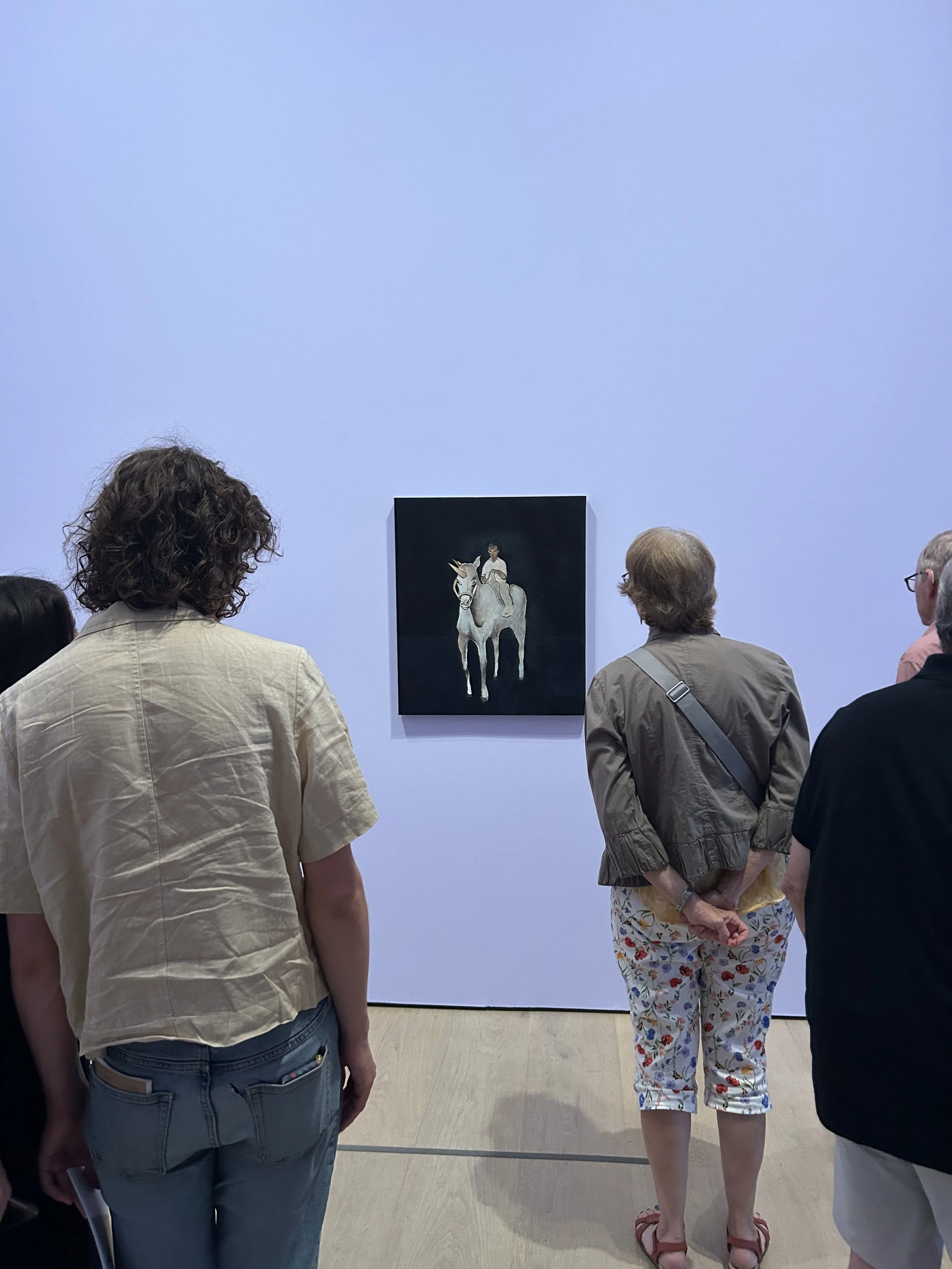
Featuring over 50 works produced between 2007 and 2015, the exhibition traces the breadth of Davis’s practice. His work reflects diverse influences: current events, everyday life, family histories, ancient Egyptian cosmologies, American media’s persistent racism, and the architecture and visual traditions of art history.
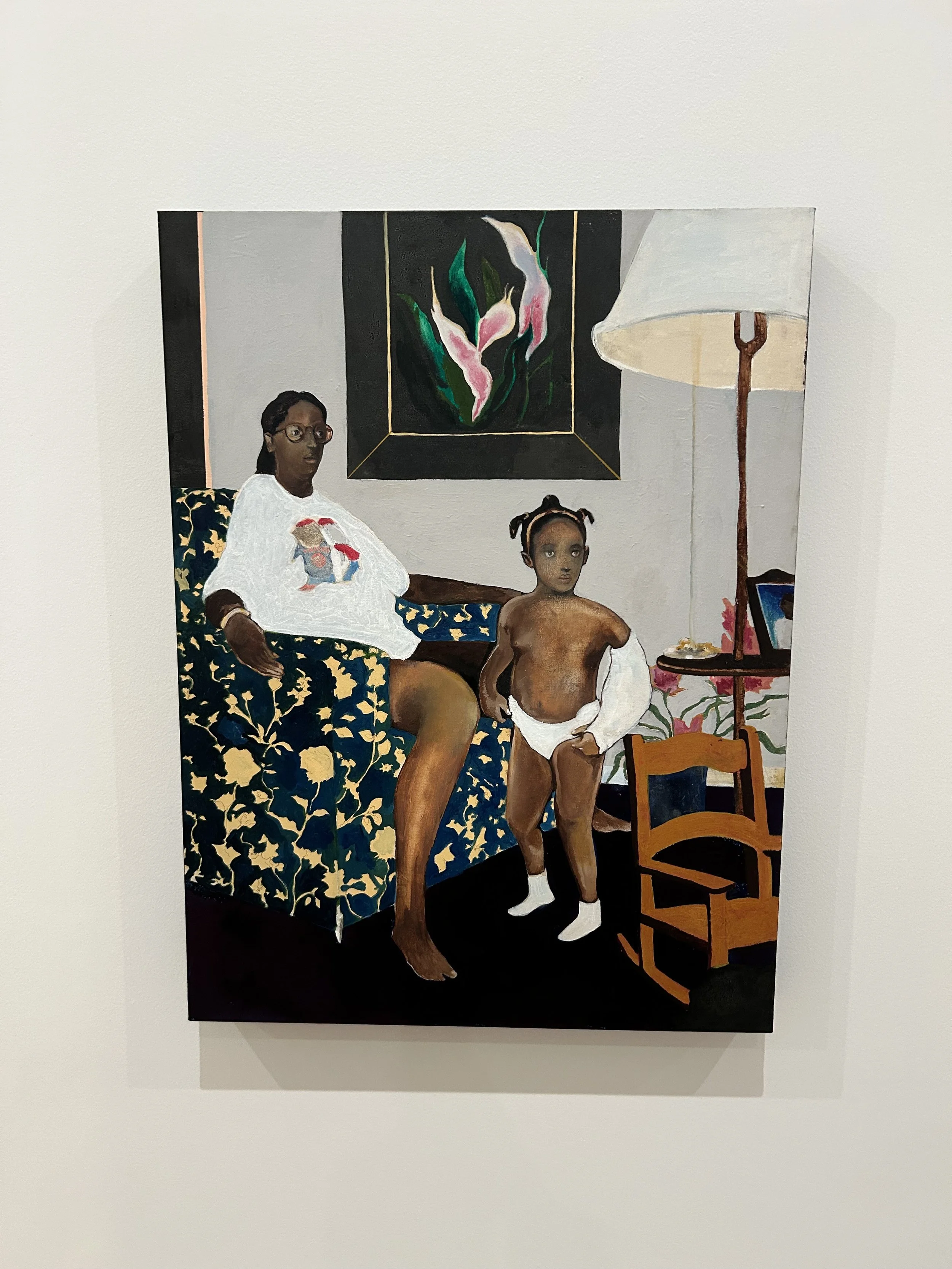
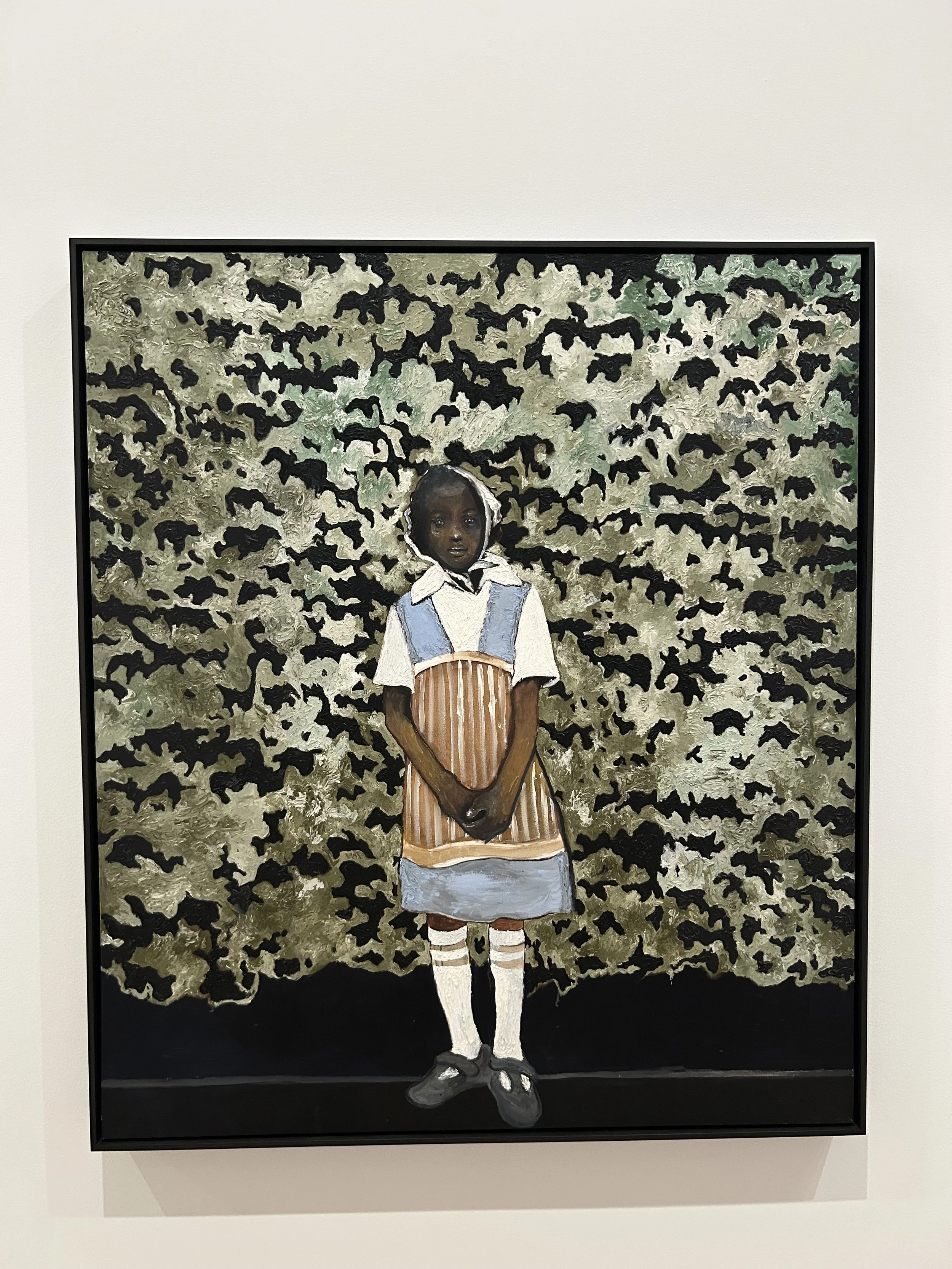
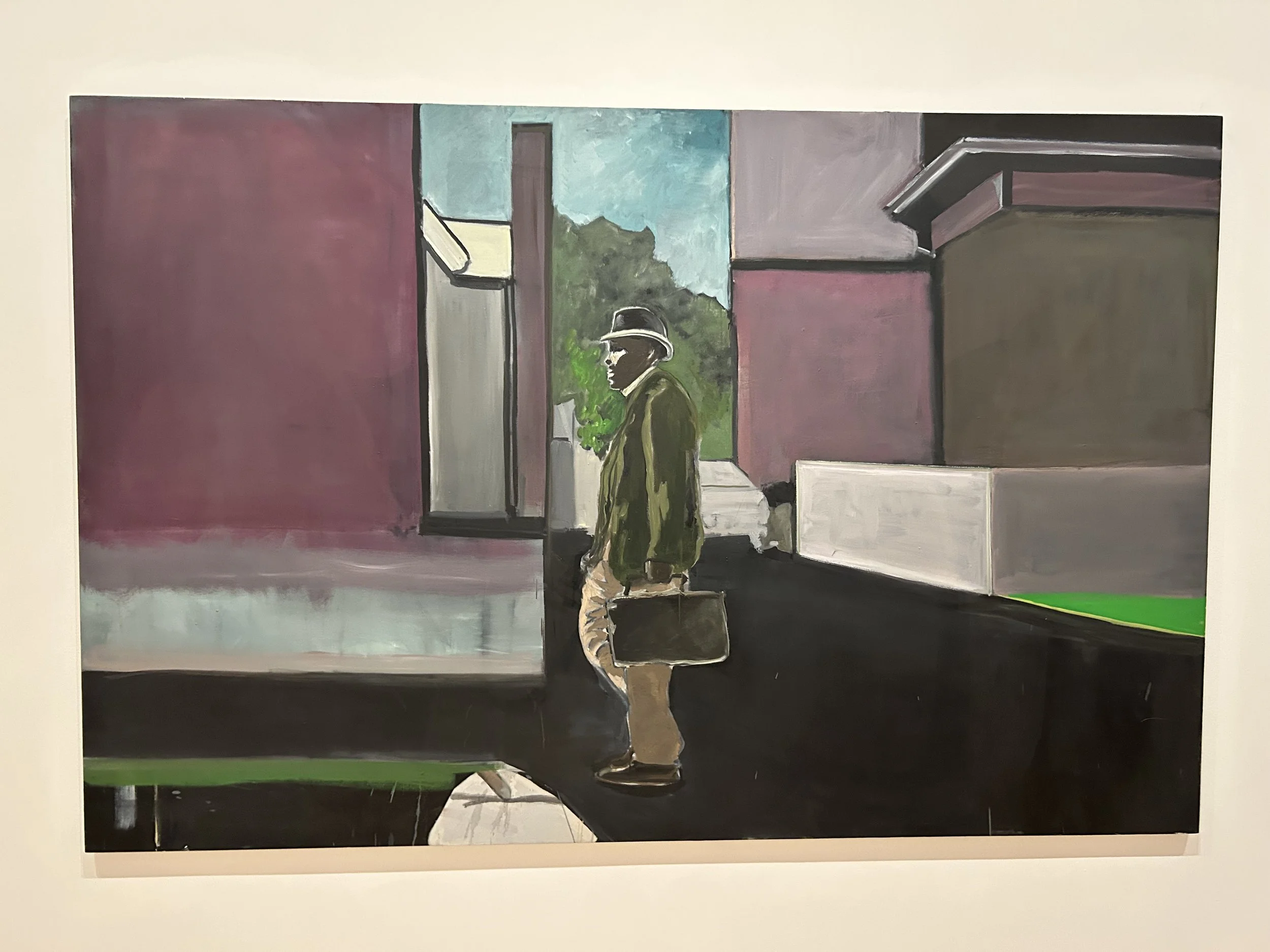
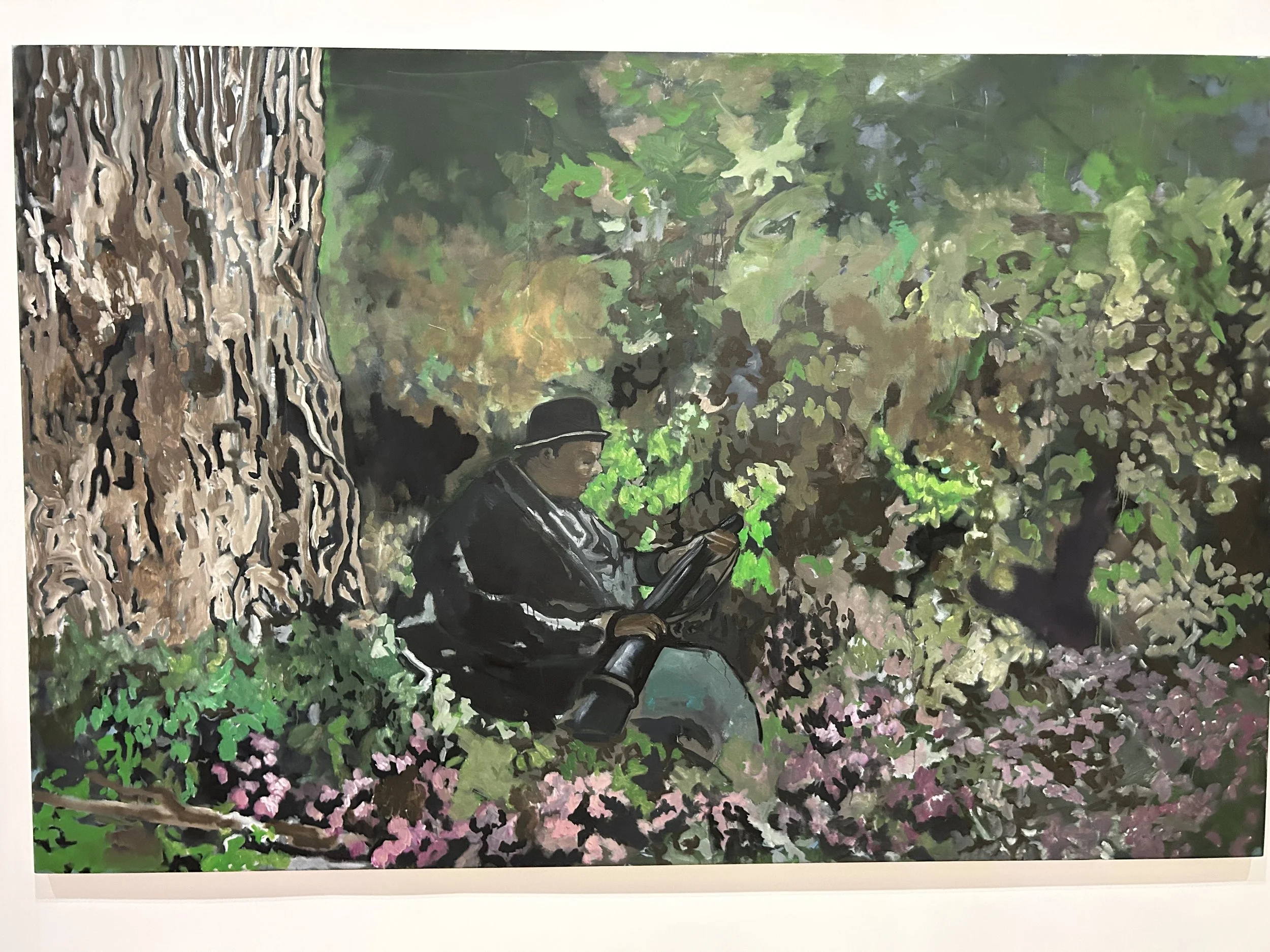
Davis drew inspiration from vernacular sources, flea market photographs, personal archives, and found images, transforming the overlooked into sites of imagination. His paintings hover between realism and dreamscape, joy and melancholy, capturing the contradictions inherent in Black lived experience.
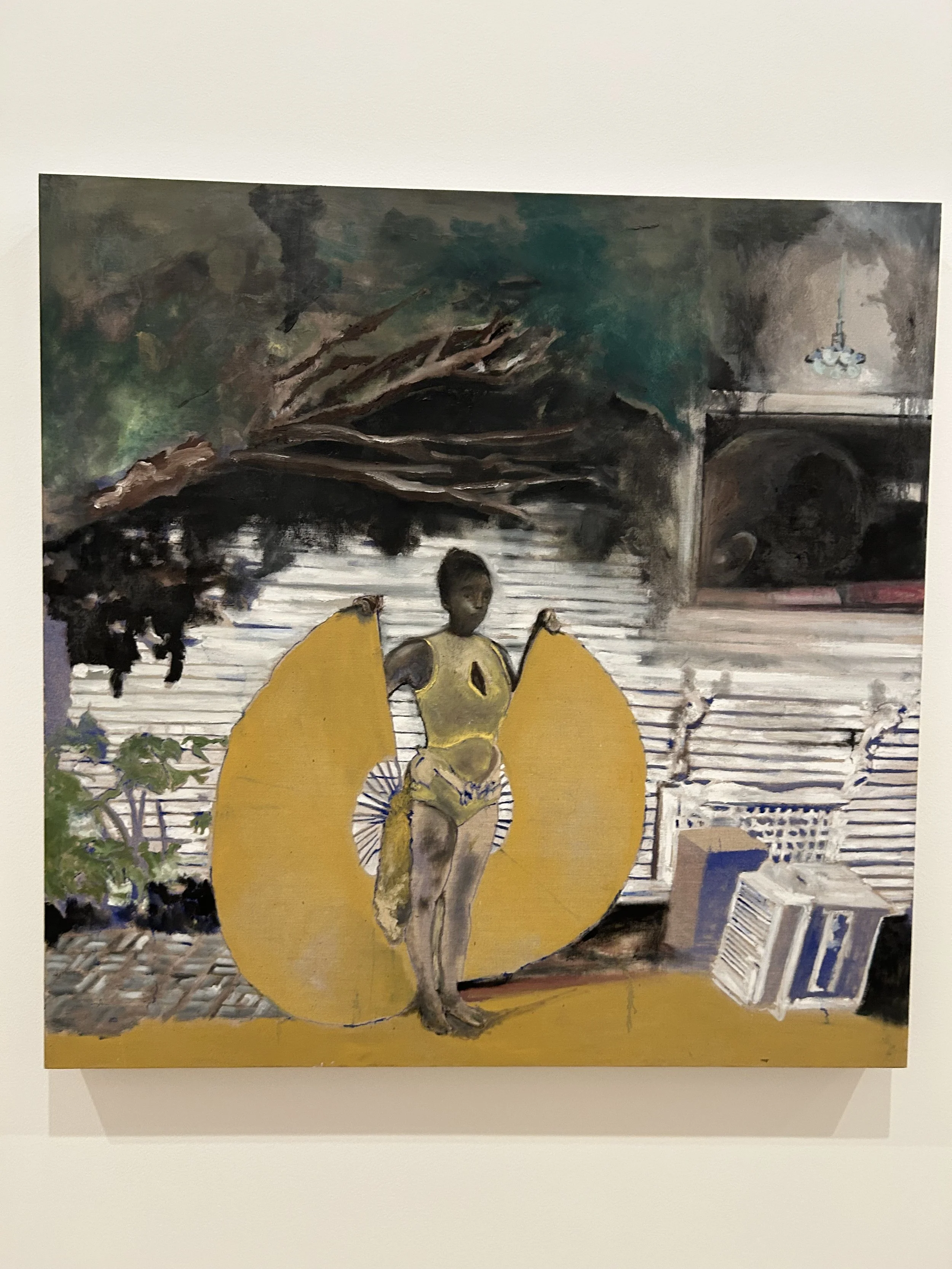
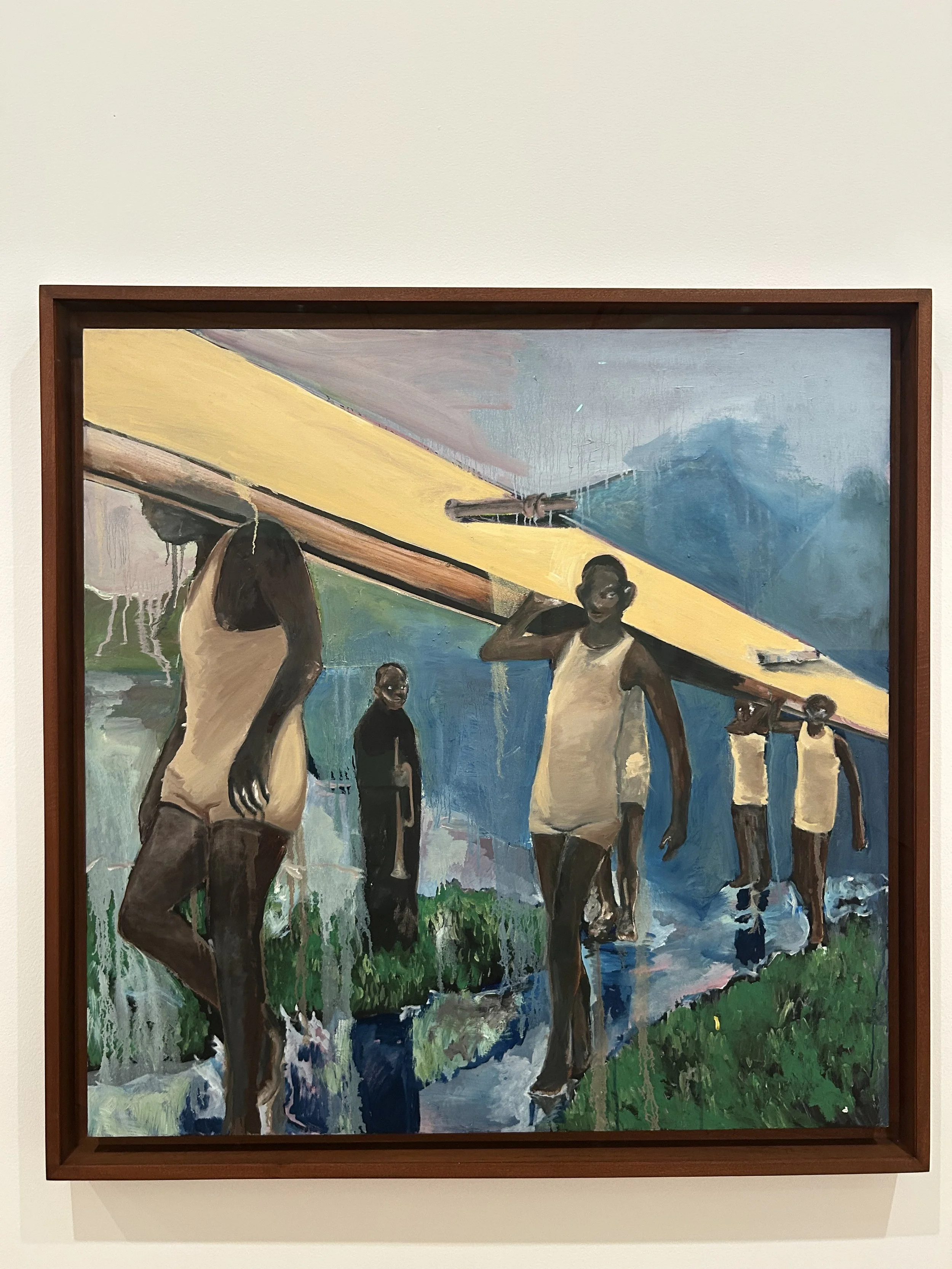
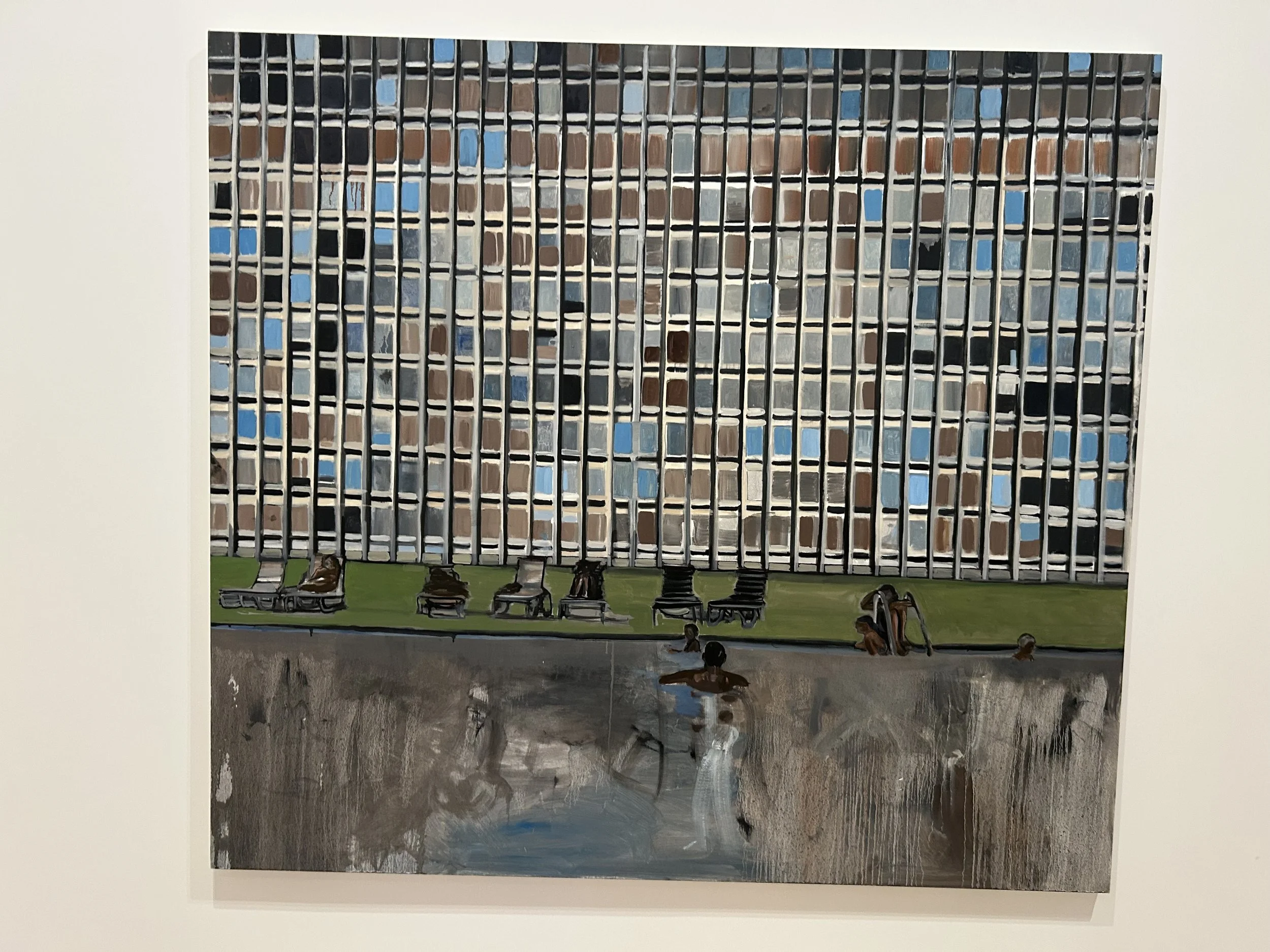
Walking through the exhibition, I felt as if I were moving through Davis’s personal archive. Each piece is a testament to his deep care for Black life, memory, and kinship. Having previously visited The Underground Museum, a space Davis co-founded with his wife, Karon Davis, I recognized the continuation of a vision: art as a homeplace, a site of remembrance, and a vehicle for community.
What stands out most is Davis’s relationship to the archive. His visits to flea markets were more than aesthetic exercises; they were acts of reclamation. By collecting fragments of everyday life, he could reimagine and fill gaps in historical memory. This method reflects what scholar Saidiya Hartman calls “critical fabulation”, the imaginative reconstruction of Black histories that have been silenced or overlooked.
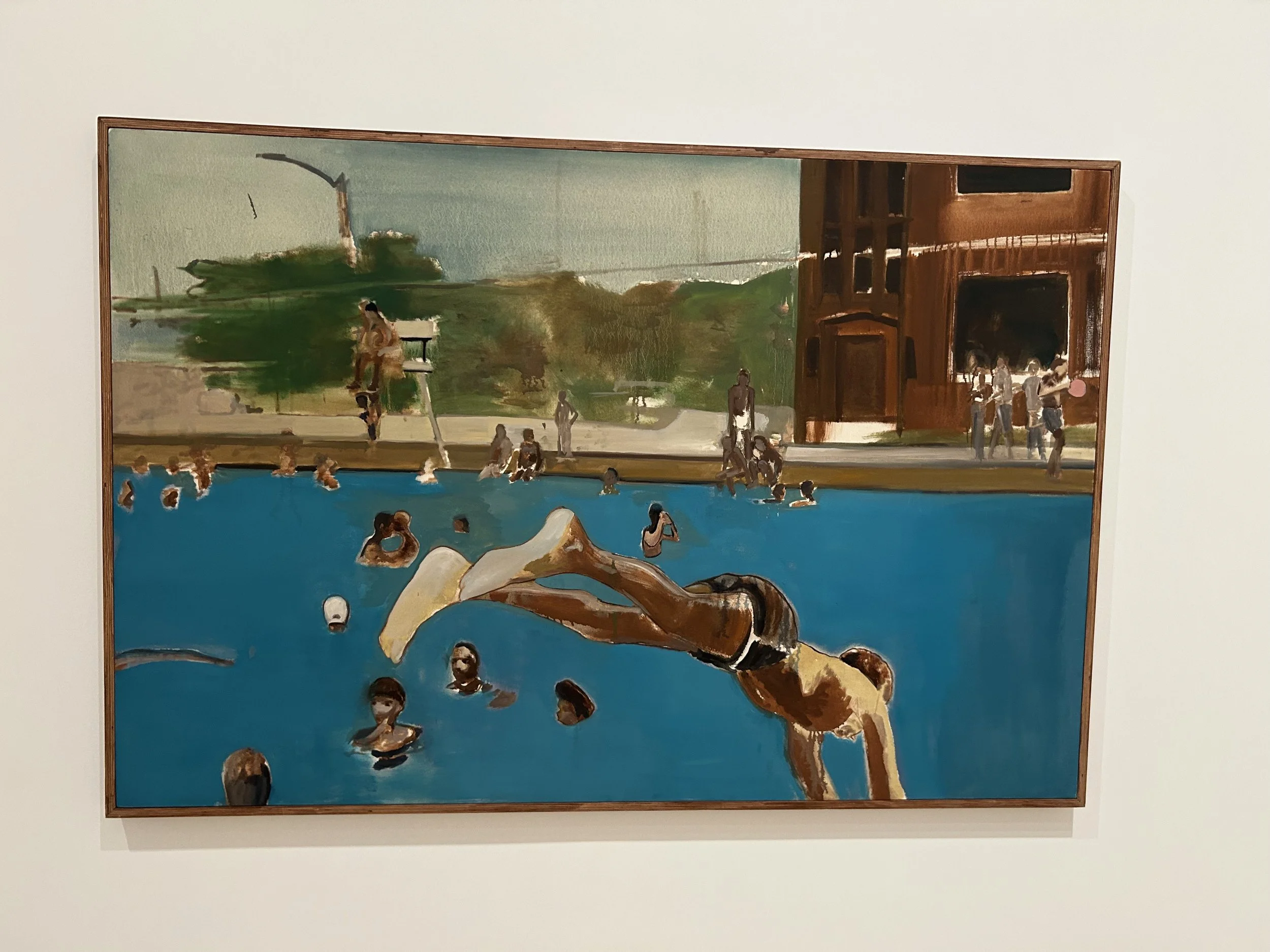
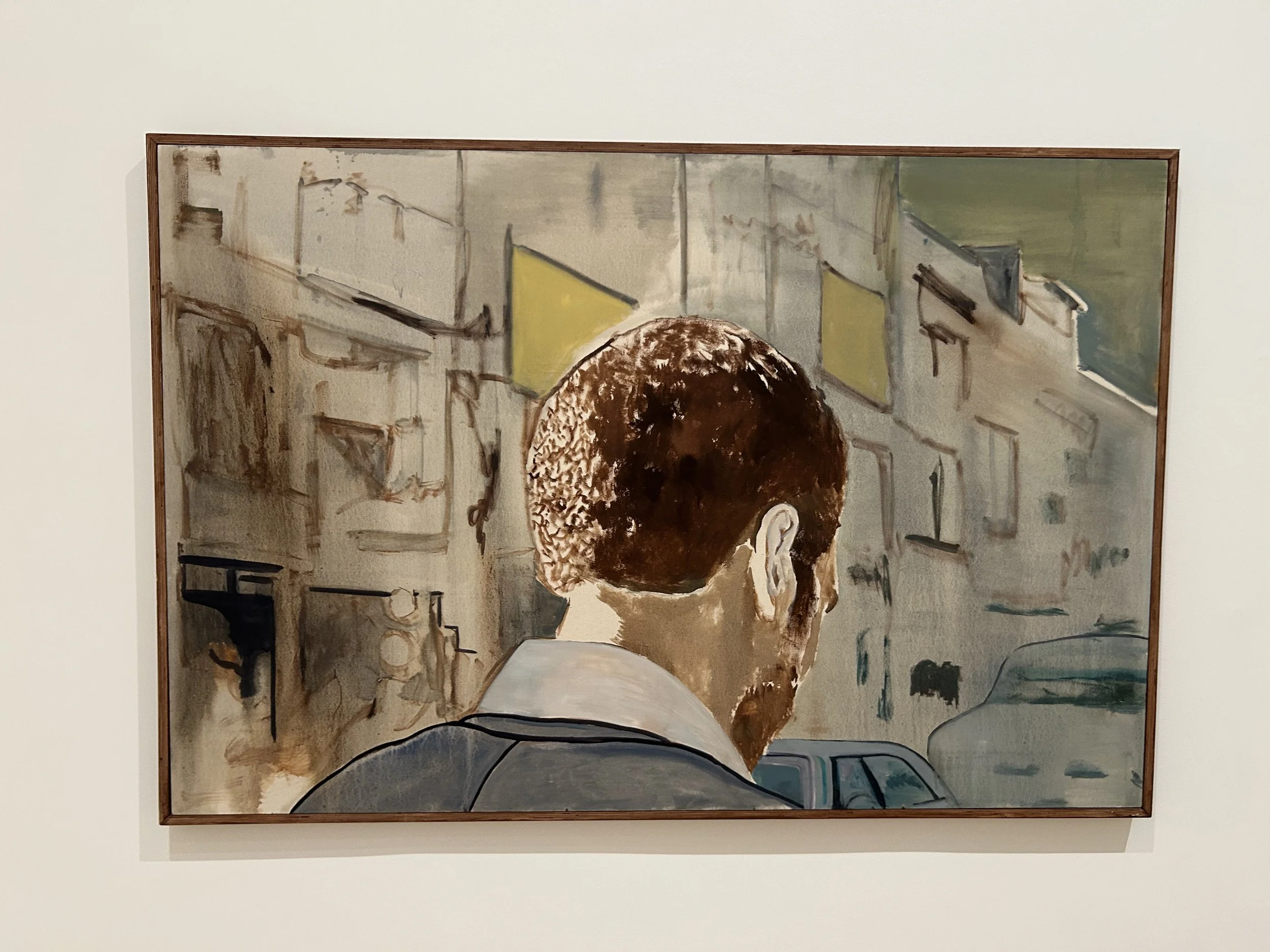
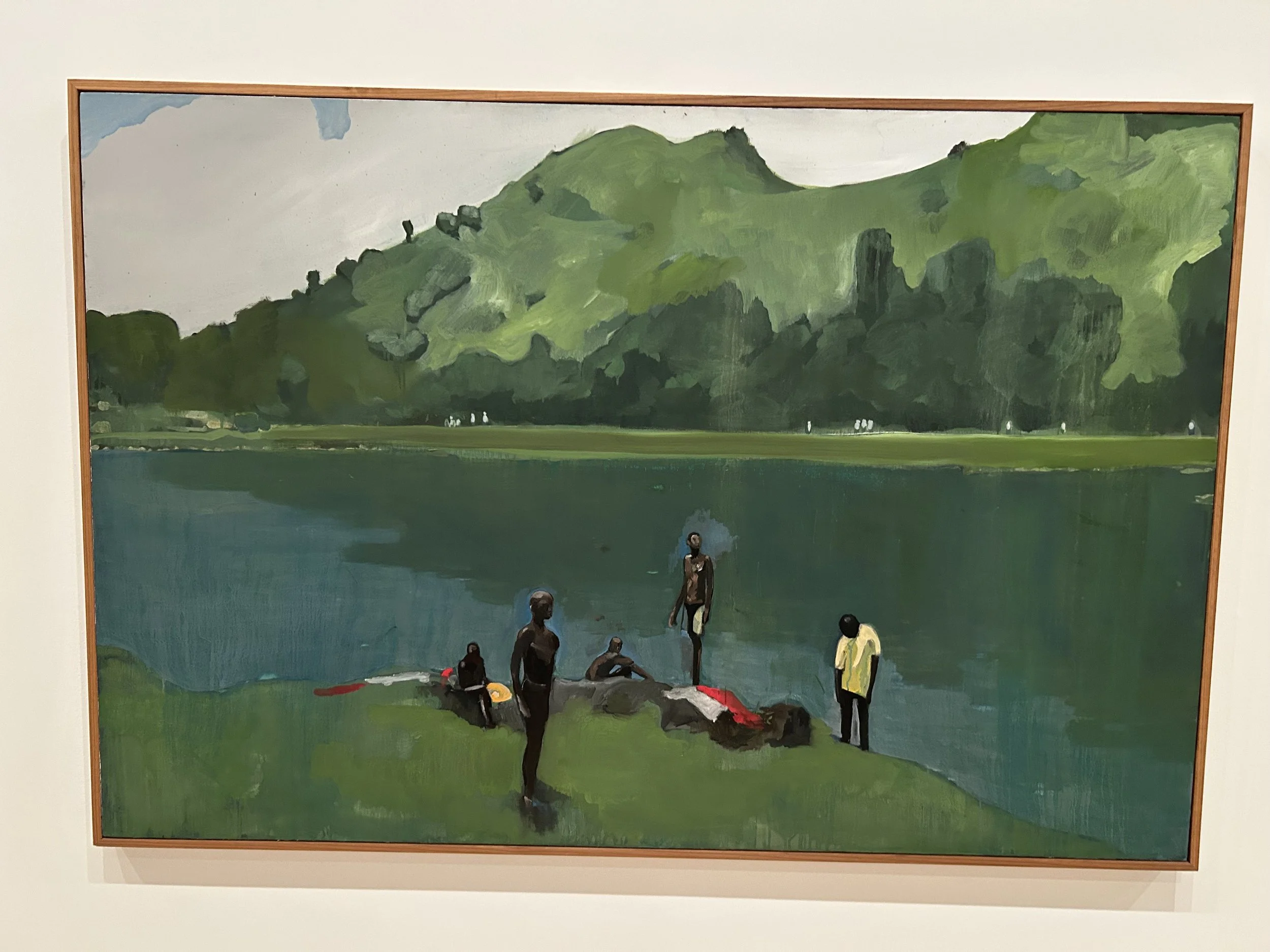
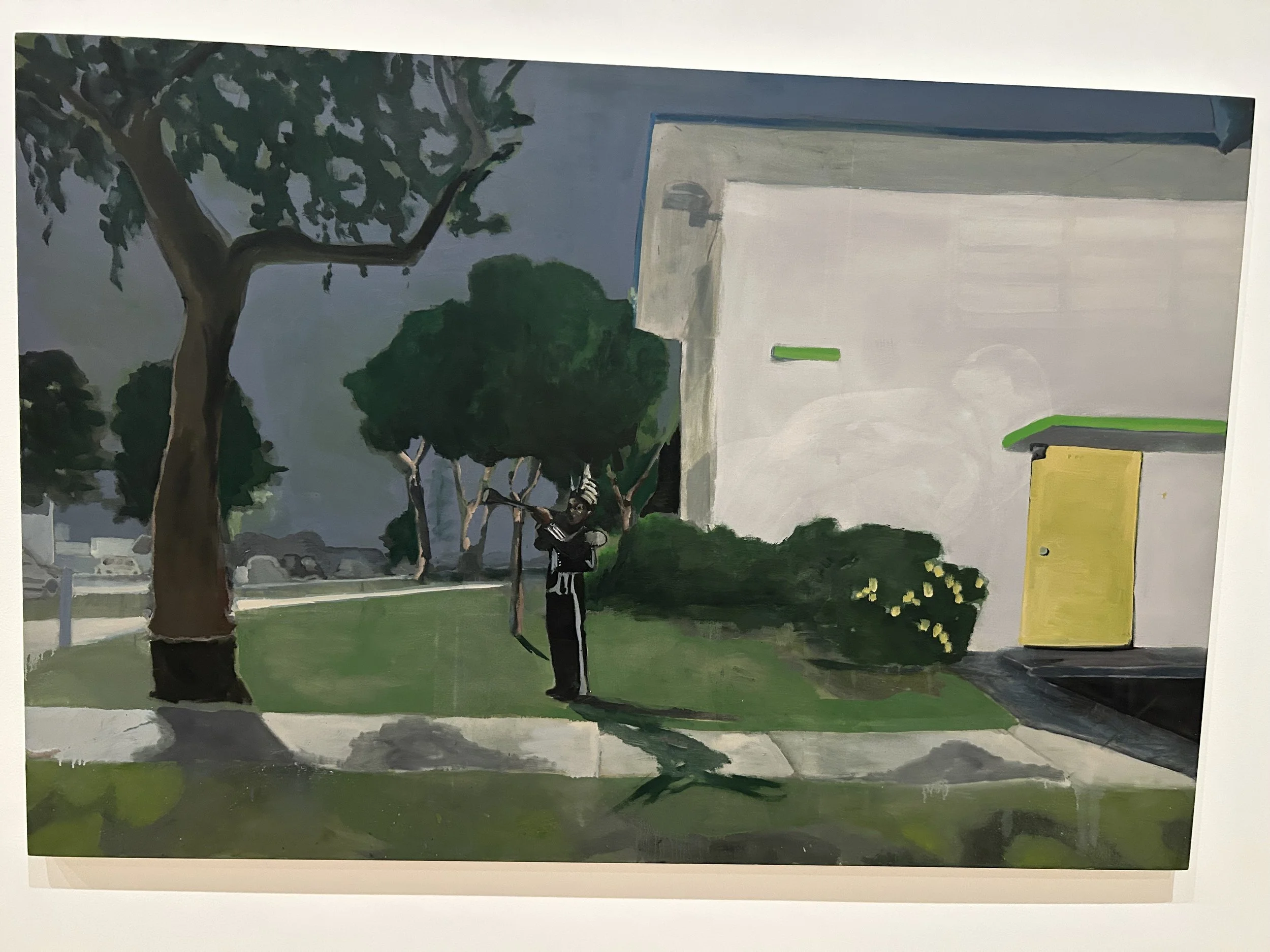
From a curatorial perspective, this exhibition demonstrates how archives, memory, and myth can coexist in ways that feel both personal and universal. It offers a blueprint for museums and cultural institutions striving to present Black art with nuance, care, and historical integrity. At the same time, it affirms NOMMO’s mission: to craft narratives and strategies that honor Black creativity, storytelling, and lived experience.
In presenting Noah Davis, the Hammer Museum not only celebrates an extraordinary artist but also amplifies the legacy of The Underground Museum and the vision Davis shared with Karon. Experiencing this exhibition is a poignant reminder that art, when grounded in care and curiosity, can encompass both the ordinary and the extraordinary, and that Black life, in all its complexity, deserves to be rendered visible and celebrated.